Rust-powered hyprlax brings smooth parallax wallpapers to Linux Wayland desktops
Hyprlax turns a flashy parallax wallpaper into a real Wayland performance test. Its Rust and GPU path are aimed at keeping Hyprland, Sway, River and Niri smooth.
A viral wallpaper demo with a serious desktop question
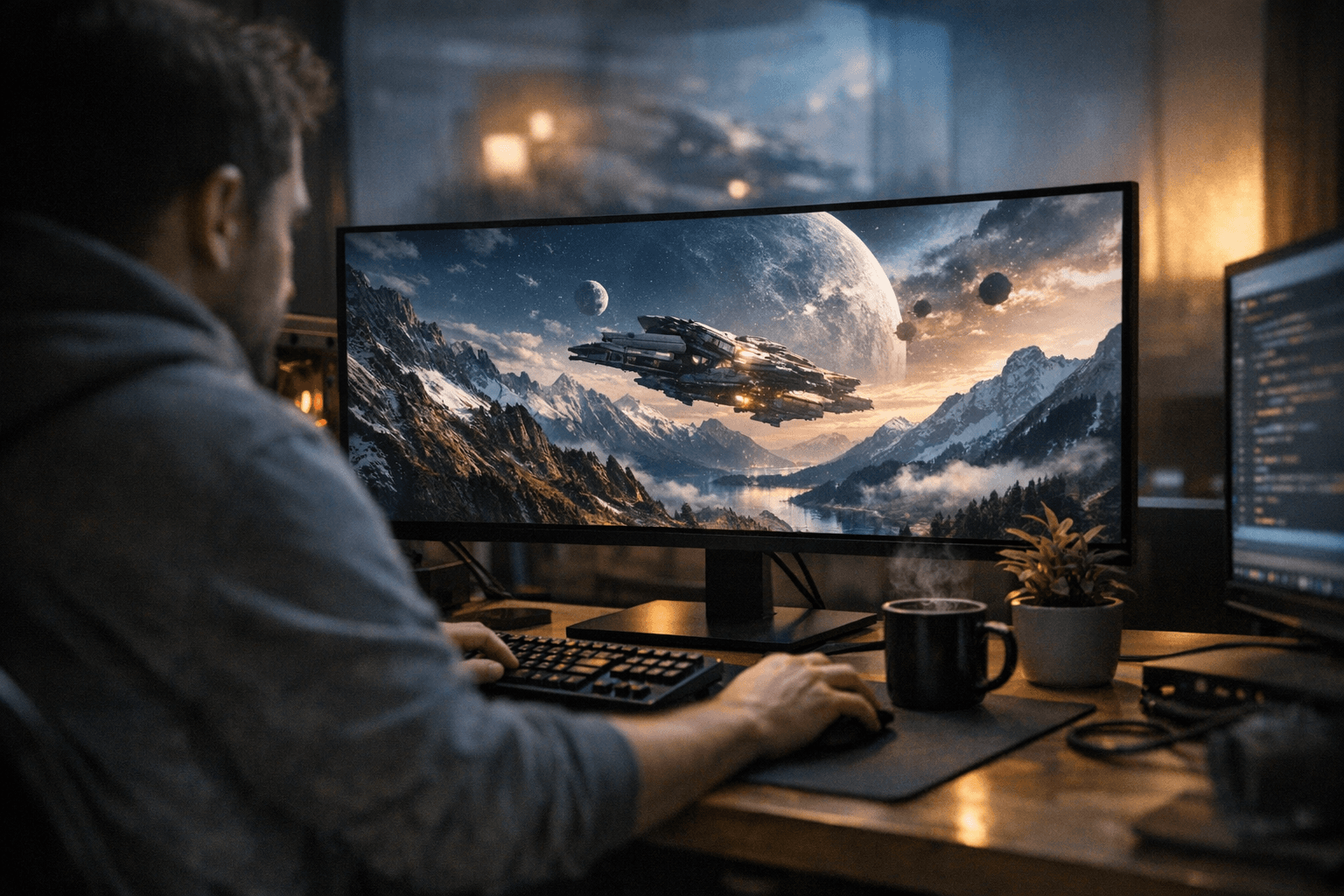
Hyprlax is catching attention for a simple reason: it makes Linux wallpaper motion look smooth enough to feel intentional, not gimmicky. The project describes itself as a “buttery smooth parallax wallpaper daemon” for Wayland compositors, and the viral demo puts that promise under the spotlight for everyday desktop use, not just a one-off showcase.
That is the real story here. A wallpaper effect only matters if it stays responsive when you are switching windows, opening apps, and actually working, and hyprlax is being framed as a Rust-powered answer to that problem.
What hyprlax is built to do
At its core, hyprlax turns a flat background into a layered depth effect by moving multiple image layers at different speeds. The result is a parallax wallpaper that can feel alive, especially when paired with a high-refresh desktop and a compositor that can keep up.
Its feature set goes well beyond a single animation trick:
- GPU-accelerated rendering
- Configurable FPS
- Multi-layer parallax
- Depth-of-field blur
- Customizable animation parameters
- Per-layer easing and delays
- Runtime control
That combination matters because it shows hyprlax is designed as a desktop component, not a novelty render. The project also has a documentation site and installation guidance, which makes it clear that this is intended for practical use on real systems rather than only for demo clips.
Why Rust is the interesting part
Rust is not the headline because it is trendy. It matters because wallpaper effects on Wayland have a history of being limited by compatibility and overhead, and a Rust implementation promises the kind of lightweight, predictable performance that desktop polish depends on.
Hyprlax leans into that with GPU acceleration and configurable FPS, which gives users a practical tradeoff: push for maximum visual smoothness, or tune the frame rate down if they want to keep the desktop as light as possible. That flexibility is exactly what turns an animated wallpaper from “nice idea” into something you might actually leave running every day.
The broader implication is straightforward. If a wallpaper daemon can keep its frame pacing steady while staying out of the way of the compositor and your applications, Rust becomes part of the selling point, not just the implementation detail.
Wayland support is the real battleground
Hyprlax is positioned for native Wayland use, and the repository says it works with Hyprland, Sway, River, Niri, and more. That matters because Wayland wallpaper tools have not had an easy path to universal compatibility, and compositor-specific support often determines whether a project is truly usable.
The history of swww helps explain why. LGFae/swww, another Rust Wayland wallpaper daemon, was archived by its owner on October 31, 2025. Its repository notes that it depends on the wlr-layer-shell protocol, and that it does not run on GNOME because GNOME does not implement that protocol.
That limitation is the heart of the problem space. Wayland customization tools often need to align closely with compositor behavior, and once a project depends on a specific protocol, support can become fragmented very quickly. Hyprlax appears to be trying to meet that challenge head-on with native Wayland support and a performance-first design.
The project looks active, not experimental
There is another reason this project has people watching it closely: it looks alive. The public GitHub repository currently shows 171 stars and 2 forks, and the latest visible commit is from last month. That is not the footprint of a forgotten proof of concept.
The documentation and installation instructions reinforce the same point. Hyprlax is being presented as a high-performance parallax wallpaper system for Wayland compositors, with runtime control and enough tuning options to make it useful beyond the first launch. In a space where many tools stay stuck in demo territory, that kind of maintenance signal matters.
For Linux desktop users, that means hyprlax is not just another pretty background generator. It is trying to become part of the daily desktop stack.
What to watch if you are evaluating it for your setup
The most important question is not whether hyprlax looks good in a clip. It is whether it stays smooth when the rest of the desktop is busy. GPU-accelerated rendering and configurable FPS are exactly the kind of features that make that tradeoff visible, because they give you a way to balance visual depth against system load.
If you are on Hyprland, the fit is obvious. If you are on Sway, River, or Niri, the listed support makes it worth a look, especially if you have wanted animated wallpaper without leaning on a workaround that only behaves well in one environment. And if you have run into Wayland wallpaper tools that stop at compositor boundaries, the swww story shows why a project like hyprlax has room to matter.
The larger trend is hard to miss: Linux desktop effects are moving toward native Wayland support, Rust implementations, and lower-overhead rendering paths. Hyprlax sits right in that shift, and if it keeps matching its smooth demo with real-world responsiveness, it could become a strong reference point for what desktop polish on Wayland is supposed to look like.
This article was produced by Prism’s automated news system from verified source data, official records, and press releases, then run through automated quality and moderation checks before publishing. The system is built and supervised by the people who set the standards it runs under. Read our full AI policy.
Know something we missed? Have a correction or additional information?
Submit a Tip