ABYC opens June marine electrical certification for serious DIY sailors
ABYC’s June electrical course was built for pros, but its wire-sizing, grounding and shorepower syllabus is the kind of checklist DIY sailors can use before an expensive mistake.
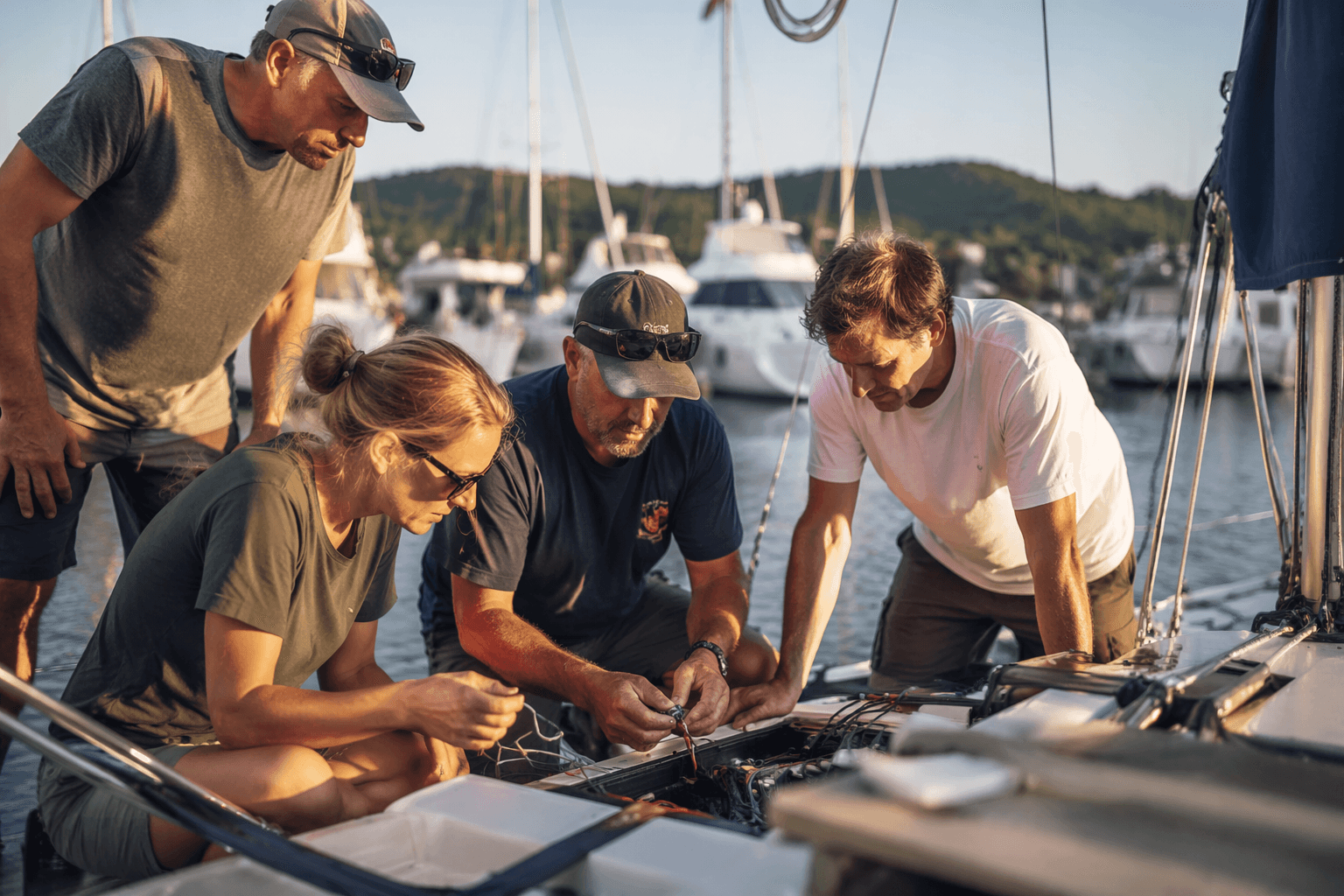
A bad crimp behind a mast step, an undersized cable feeding a new inverter, or a shorepower hookup with the wrong grounding scheme can turn a refit into a haulout and a bill no one wants. That is the lane the American Boat & Yacht Council targeted when it opened its June 2026 Marine Electrical certification as a live online course on June 9, built for marine professionals with at least three to five years of experience in electrical system design, installation or repair.
The class ran three days a week for three weeks in 90-minute sessions, but its real value went beyond the schedule. ABYC described the credential as a widely recognized and credible demonstration of skill in marine electrical service and installation worldwide, and its certification program said ABYC credentials are nationally recognized. Marine Electrical was one of nine specialized certifications on offer, alongside Marine Corrosion, Marine Systems, ABYC Standards, Gasoline Engines, Diesel Engines, Marine Composites, A/C Refrigeration and Advanced Electrical.
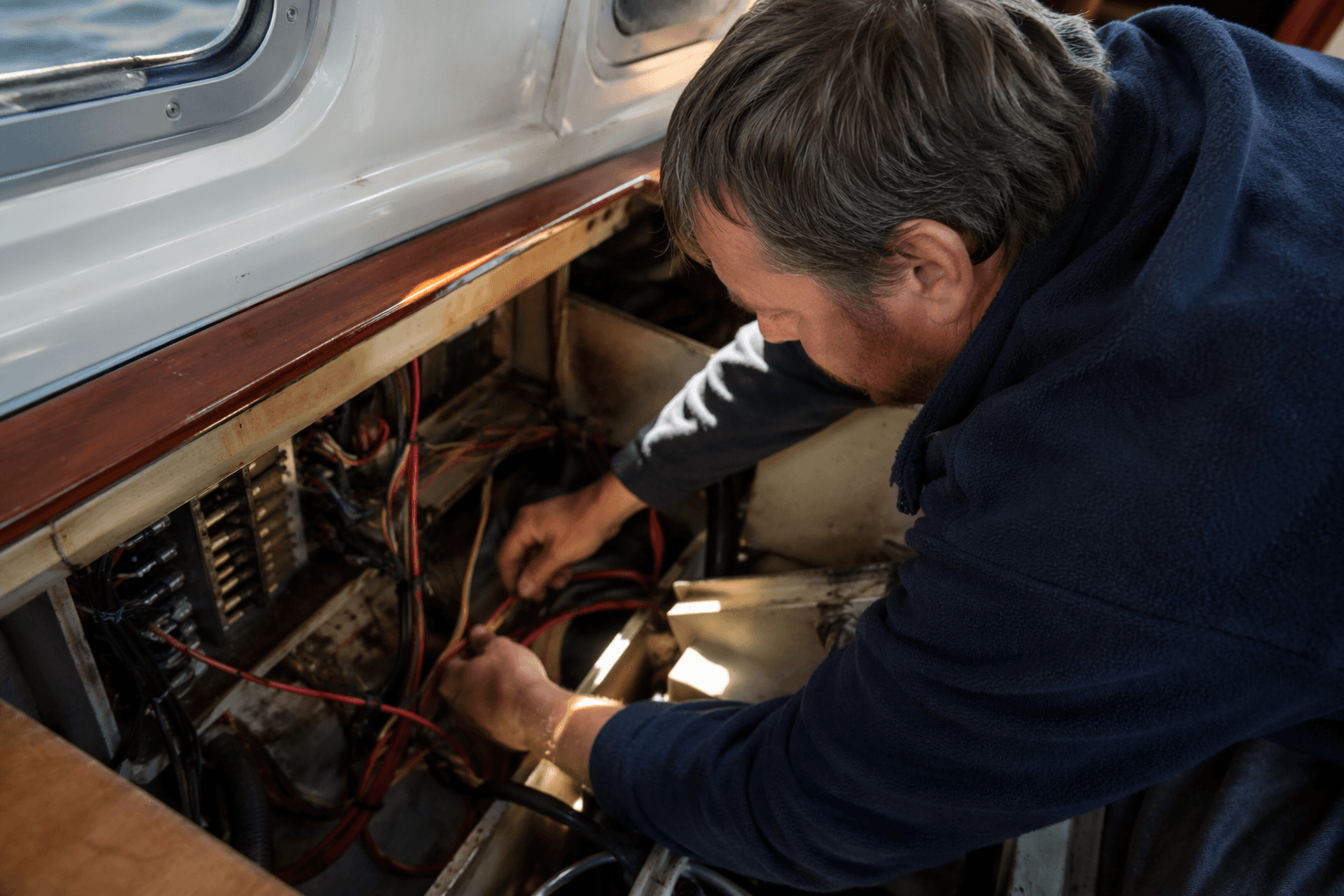
For serious DIY boat owners, the syllabus read like a list of the mistakes that get expensive offshore or at the dock. The course covered basic electrical theory, proper installation and termination of wiring, wire sizing for AC and DC systems, battery installation and maintenance, charging systems, inverter installation and troubleshooting, AC shorepower system design and components, isolating vessels from galvanic corrosion, installation and troubleshooting of AC generators, electrical safety equipment, and the specific installation requirements for AC and DC components. It also put weight on grounding and bonding, multimeter use and practical troubleshooting methods.
ABYC also said its certifications were valid for five years, and technicians with three or more certifications could pursue Master Technician or Master Advisor status. That matters because the council’s broader online catalog showed a training system that went well beyond one June session, with certification courses and continuing education across electrical, corrosion, engines and systems. Marine Systems, another ABYC credential, was described by the council as the gold standard within the industry, while Marine Standards covered all six chapters of its study guide and 54 of ABYC’s 71 published standards.
For the owner about to rewire a panel, add batteries, install an inverter or chase corrosion at a shorepower inlet, the message was plain. The cost of learning the ABYC way is small compared with the price of fixing the kind of electrical mistake that hides until the mast is stepped, the charger fails or the shorepower plug heats up.
This article was produced by Prism’s automated news system from verified source data, official records, and press releases, then run through automated quality and moderation checks before publishing. The system is built and supervised by the people who set the standards it runs under. Read our full AI policy.
Did this article answer your question?


