Why sailors name boats, and why the choice matters
A boat’s name reaches from the paperwork to the bow, and the wrong choice can mean legal hassle, repainting, and a superstition-laced reset.
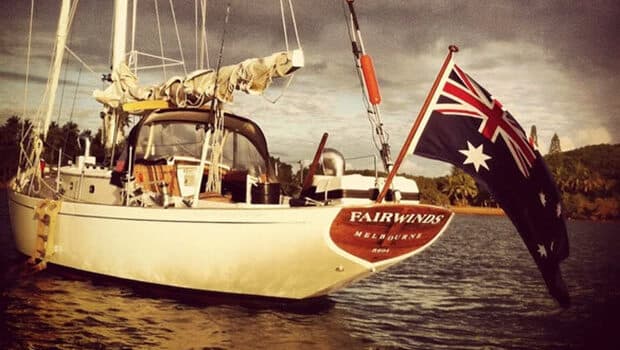
Under 46 CFR 67.117, the owner of a documented vessel must designate a vessel name on the documentation application. A boat’s name sits inside the boat’s legal identity, marks the hull, and carries the old dockside belief that the sea remembers what you call it. In sailing culture, naming is part paperwork, part ritual, and part identity, which is why owners spend far more time on it than outsiders expect.
Why the name feels personal
Part of the pull comes from language itself. In English-speaking boating culture, vessels are commonly treated as “she,” a habit often tied to the feminine Latin root *navis*, while French takes a different path, with boat words such as *le bateau* and *le navire* treated as masculine. Ship gender is a convention, not a universal law, and the name you choose becomes part of the boat’s social identity as much as its paint scheme.
For DIY owners, that identity shows up everywhere. A good name can become a badge of pride at the marina, in the logbook, and in club chatter; a bad one can feel like a mistake you have to stare at every time you walk down the dock. Once a boat has a name, the crew starts using it the way sailors always have.
The rules you cannot ignore
On a documented vessel, naming is not just taste. A documented vessel’s name cannot be changed without prior approval from the National Vessel Documentation Center. Federal marking rules add another layer: the vessel name must appear on the port and starboard bow and the stern, with the hailing port on the stern as well.
That means the practical choices come early, before lettering ever gets ordered. The name has to work in the paperwork, on the transom, and on the hull; it also has to fit the federal naming rules that ban names phonetically identical to distress calls and prohibit obscene, indecent, profane, racial, or ethnic epithets. The regulations also require durable markings in clearly legible letters, at least four inches high, which is exactly the kind of detail DIY refits often miss until the vinyl is already cut.
- Does it fit the documentation rules if the boat is documented?
- Does it still read cleanly in four-inch lettering on the bow and stern?
- Does the hailing port look right with the name on the stern?
- If you are renaming, have you planned for the approvals and the rebranding work that follow?
Before you commit to a name, check these basics:
Christening still carries weight
The ritual side of naming goes back a long way. The U.S. Navy History and Heritage Command traces christening and launching traditions to Babylonian, Egyptian, Greek, and Roman practice, where mariners asked for divine protection and blessing for new vessels. In the modern ceremony, the sponsor still breaks a bottle and says, “In the name of the United States I christen thee,” a line that keeps the old ceremony alive even when the boat is only a club racer or a weekend cruiser.
That history is one reason renaming still feels charged. Traditional mariners often treat changing a vessel’s name as bad luck unless a special renaming ceremony is done first, which is why the first name can stay emotionally sticky long after ownership changes.
Why common names keep coming back
BoatUS has spent 24 years publishing its Top Ten Boat Names list, and the organization keeps more than 9,000 names in its online Boat Name Directory. Greg Edge of BoatUS Boat Graphics has pointed to names like Second Wind, Island Girl, Island Time, and Happy Hours as clues to what owners have lived through and what kind of time they want on the water.
ShipIndex puts a bigger database lens on the same habit. Its U.S. vessel-name database includes 386,377 unique vessels and 209,037 unique ship names, with 175,049 names appearing only once.
The broader boating market tracks the same kind of pattern in a different way. NMMA’s Statistics and Research Department publishes data on registrations, engine and accessory sales, expenditures, and the retail and pre-owned markets.
This article was produced by Prism’s automated news system from verified source data, official records, and press releases, then run through automated quality and moderation checks before publishing. The system is built and supervised by the people who set the standards it runs under. Read our full AI policy.
Did this article answer your question?