Best electric anchor winches for faster, safer anchoring on small boats
The right winch is less about gadget appeal than whether your boat, crew, and anchoring habits justify the extra load, wiring, and corrosion protection.
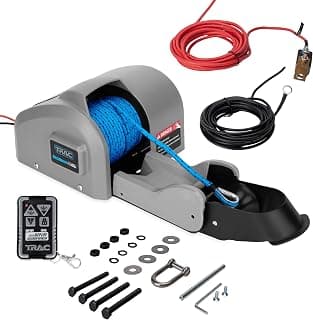
Anchoring is where convenience, safety, and crew strain hit the same piece of hardware. If you are short-handed, resetting in current, or dropping the hook again and again on a deckboat or saltwater fishing boat, an electric winch can turn a tiring chore into a controlled, hands-off cycle, but only if the boat size, anchor weight, and install details all line up.
1. TRAC Outdoors Deckboat 40 AutoDeploy-G3
This is the cleanest fit for owners who want automatic up-and-down anchoring on a small to mid-sized boat without jumping straight to heavy-duty saltwater hardware. It is built around a 40-pound maximum anchor capacity and a high-efficiency 12-volt DC all-steel gear motor, which puts it in the sweet spot for deckboats that see frequent anchor changes, quick stops, or short-handed operation.
The appeal is the AutoDeploy setup: Camco Outdoors describes it as easy-to-use buttons for raising and lowering, and Defender says the down button is pressed and released to start the cycle, then the winch shuts off when the anchor reaches bottom. That matters on the water because it cuts the awkward, stop-start handling that wears out a crew fastest when wind or current keeps changing the boat’s angle.
2. TRAC Big Water 45 Saltwater Anchor Winch

When the boat is heavier, the bottom is tougher, or the anchoring routine is simply more demanding, the 45-pound Big Water model makes more sense than a lighter deckboat unit. TRAC builds it for harsh saltwater environments, and the package leans hard into corrosion resistance and system reliability rather than bare-bones convenience.
The hardware list is the telling part: 316 stainless steel, ABS plastic housing, UV inhibitors, three-step corrosion protection, an automatic resetting circuit breaker, 14-gauge marine-grade tinned battery wire, a safety chain, a separate roller davit, and 100 feet of anchor rope. That is the kind of setup that starts to justify its price when anchoring is not occasional, but a repeat part of how you run the boat, because the winch is only one piece of a load-handling system.
3. 25-pound marine windlass
This is the lighter-duty answer for boats that do not need the full muscle or corrosion package of the bigger TRAC models. With a 25-pound anchor capacity, it fits simpler anchoring habits, smaller hulls, and owners who want less strain at the bow without paying for capacity they will never use.
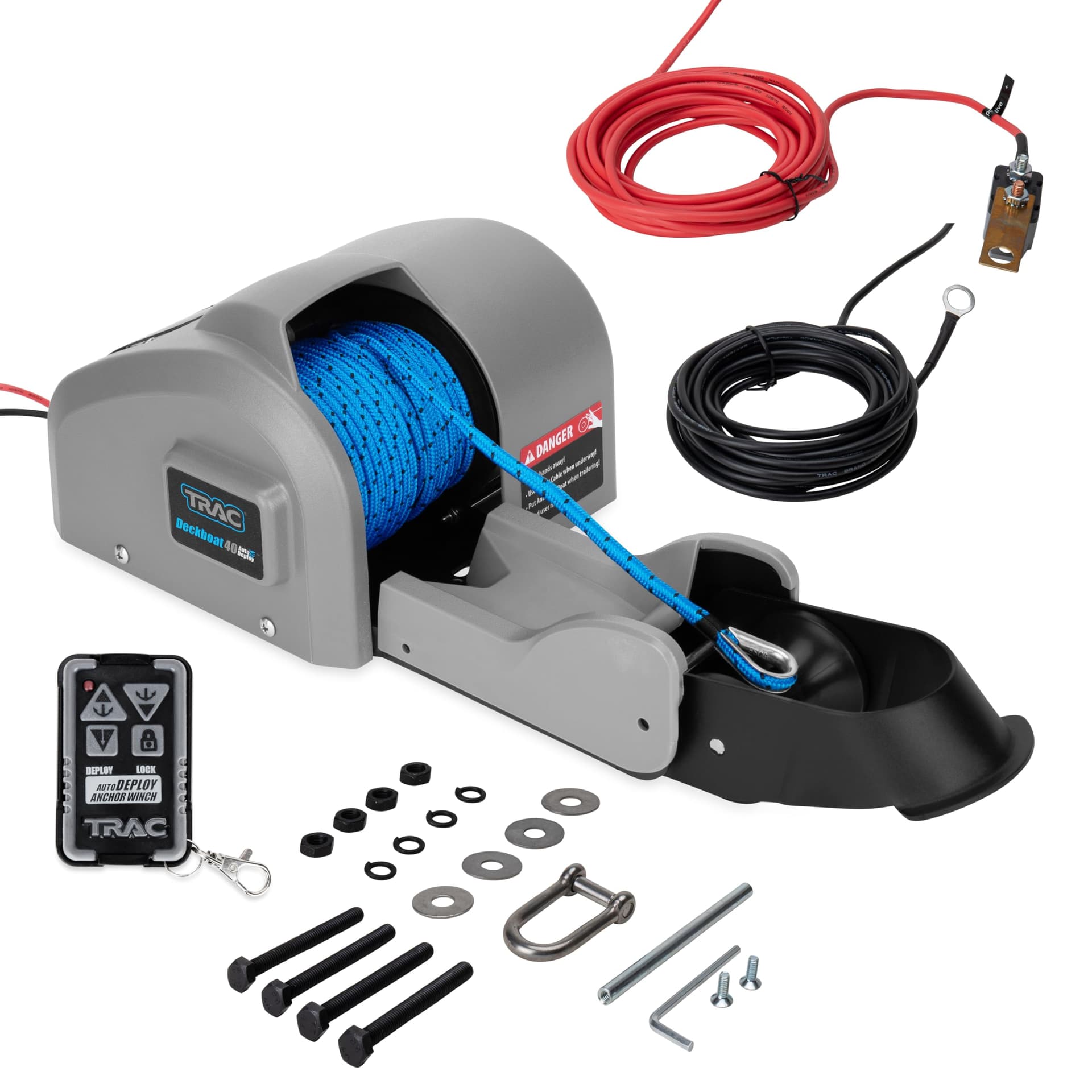
The tradeoff is obvious: less capacity also means less margin when the anchor gets heavier, the bottom grabs harder, or conditions get messy. If your anchoring is mostly calm-water, occasional, and not built around repeated resets, this is the point where electric starts to look like a practical upgrade instead of a full system rethink.
The real decision point is not just the winch drum. ABYC says it develops globally recognized standards for boat design, construction, repair, and maintenance, and its H-40 Anchoring, Mooring, and Strong Points standard recommends compliance for boats and related systems manufactured after July 31, 2004. Practical Sailor also notes that installation safety for electric winches and windlasses is not always well covered in manuals, and switch location is often left to installer judgment, which is why wiring, control placement, and load-path hardware matter as much as the motor itself.
That is where the overlooked upgrades come in: the right chain or rope, a proper roller davit, corrosion-resistant parts, a breaker that resets correctly, and enough marine-grade tinned wire to support the load without turning the bow into a maintenance project. Muir Marine’s point lands cleanly here, because correct anchoring technique and proper equipment are central to safety at sea, not just to convenience at the dock.
A winch earns its place when anchoring is repetitive, physically awkward, or hard on a short crew, and when the boat can actually support the system around it. On a small boat, that usually means choosing the light 25-pound setup for modest use, stepping up to the 40-pound AutoDeploy when convenience and quick cycling matter, or paying for the 45-pound saltwater package when the water, the weather, and the hardware all demand more than a simple pull-and-pray approach.
This article was produced by Prism’s automated news system from verified source data, official records, and press releases, then run through automated quality and moderation checks before publishing. The system is built and supervised by the people who set the standards it runs under. Read our full AI policy.
Did this article answer your question?


