Best sealers for aluminum boats stop leaks and corrosion
A small aluminum leak is a decision, not a dab of caulk. Match the fix to the failure, then stop water and slow corrosion before the hull keeps opening up.
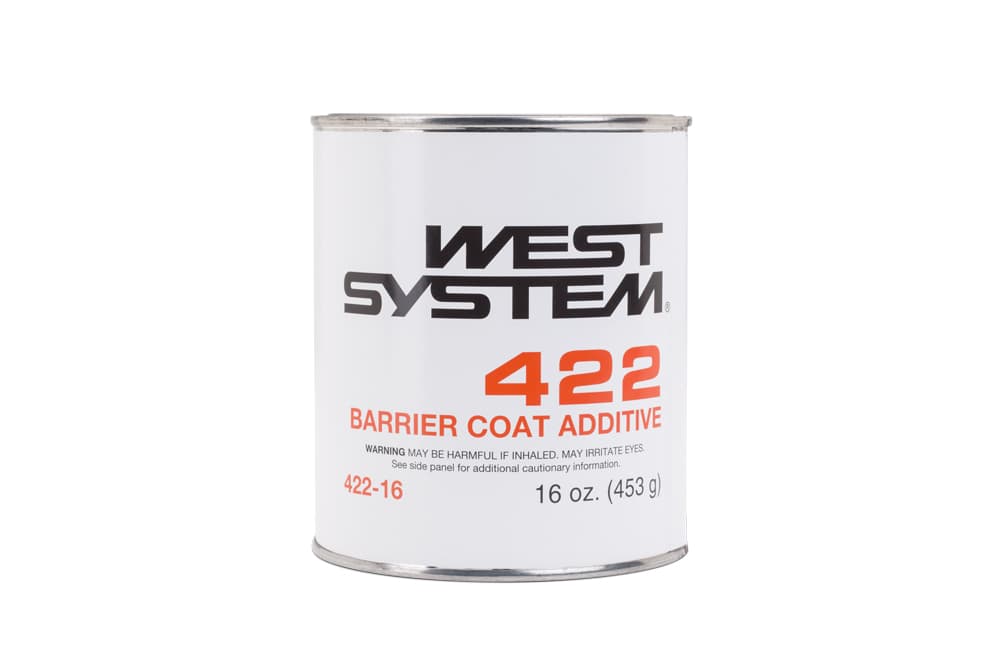
When an aluminum daysailer, dinghy, or trailerable tender starts weeping at a seam, rivet, or gouge, the right fix is the one that matches the damage. The key is to treat the repair as both a leak stop and a corrosion barrier, because white powder oxidation, wet fasteners, and the wrong antifouling can turn a simple patch into a repeat problem.
1. WEST SYSTEM epoxy barrier coating
This is the strongest choice when you want to protect a repair area before the leak becomes corrosion. WEST SYSTEM says an epoxy barrier coating creates an effective moisture barrier, recommends at least two coats, three if sanding will follow, and up to six coats for greater moisture protection. If the hull is already showing oxidation or the repair zone will live in spray, trailering, and repeated wet-dry cycles, this is the product that shifts the job from a quick seal to real moisture control.
2. WEST SYSTEM Aluminum Boat Repair Kit
Use this when the problem is the common aluminum-boat failure pattern: leaking seams and rivets. WEST SYSTEM built the kit for exactly that, and it includes 8 ounces of G/flex 650 Toughened Epoxy, adhesive filler, application syringes, mixing cups, reusable mixing sticks, and gloves, which makes it a practical weekend repair package instead of a parts hunt. For owners trying to stop a leak without opening a bigger repair, this is the most complete seam-and-rivet solution in the group.
3. West Marine Travaco Gluvit epoxy waterproof sealer
Gluvit is the better pick when you want an easy-to-use epoxy sealer for seam and rivet leaks that still needs to move with the boat. West Marine says it seals aluminum seam and rivet leaks, is abrasion- and impact-resistant, and flexes with the hull or deck to help prevent cracking, which matters on boats that bounce on trailers and work hard in chop. If the leak is a line or a joint rather than a single blown-out fastener, this is the kind of sealer that fits the repair.
4. 3M Marine Adhesive Sealant 5200
Choose 5200 when the job needs both a seal and a strong bond on metal, above or below the waterline. 3M says it forms a weather-resistant seal, reacts with moisture, and can take up to four days to fully cure, so it is not the fastest path back to the launch ramp, but it is a serious option when a joint is part of the problem. For a repair that must stay put through weather and movement, this is the heavy-duty choice, not the quick patch.

5. West Marine Aluminum Epoxy Stick
This is the most useful spot fix when the leak is coming from a hole, gouge, cut, or rivet leak and you need something you can shape directly on the boat. West Marine says the stick permanently repairs holes, gouges, cuts, and rivet leaks in aluminum boats or parts, and it can also seal leaks in tanks, pipes, joints, drains, exhaust lines, manifolds, and mufflers. If the damage is small and isolated, this is the fastest way to stop water without committing to a larger seam rebuild.
6. Sika marine sealants
Sika belongs on the list because it treats aluminum as a normal marine-sealant substrate, not a special case. Sika says its marine sealants are suitable for aluminum, steel, fiberglass, and timber, which makes them useful when the repair touches mixed materials or when you want a product line already built for boatbuilding conditions. The practical rule still holds: pick the sealant for the leak type, not just for the label that says aluminum.
7. The material warnings that decide whether the fix will last
A good sealant choice can be undone by bad material choices around it. Boat-ed notes that aluminum hull oxidation often shows up as white powder spots, which is your cue that corrosion is already active, and West Marine warns that copper-based antifouling can destroy an aluminum hull, which makes material compatibility nonnegotiable. If the repair is tied to seaworthiness or safety gear, the U.S. Coast Guard Boating Safety Division also reminds boat owners that state boating laws and requirements can add another layer of compliance beyond federal guidance.
The weekend decision is usually straightforward. A seam leak can often be handled with Gluvit or a WEST SYSTEM repair kit, a rivet issue may need the aluminum epoxy stick or more complete rivet work, and widespread oxidation is the sign that a simple seal is becoming a temporary measure. When the hull is telling you it wants a barrier, not just a bead of goo, the right sealer is the one that stops water now and keeps the corrosion from coming back.
This article was produced by Prism’s automated news system from verified source data, official records, and press releases, then run through automated quality and moderation checks before publishing. The system is built and supervised by the people who set the standards it runs under. Read our full AI policy.
Did this article answer your question?