Boating safety courses beat dockside improvisation, BoatTEST says
Confidence helps at the helm, but the Coast Guard’s numbers show training is the safer bargain when docking, gear use, and emergency calls turn real.
Why dockside confidence is not the same as seamanship
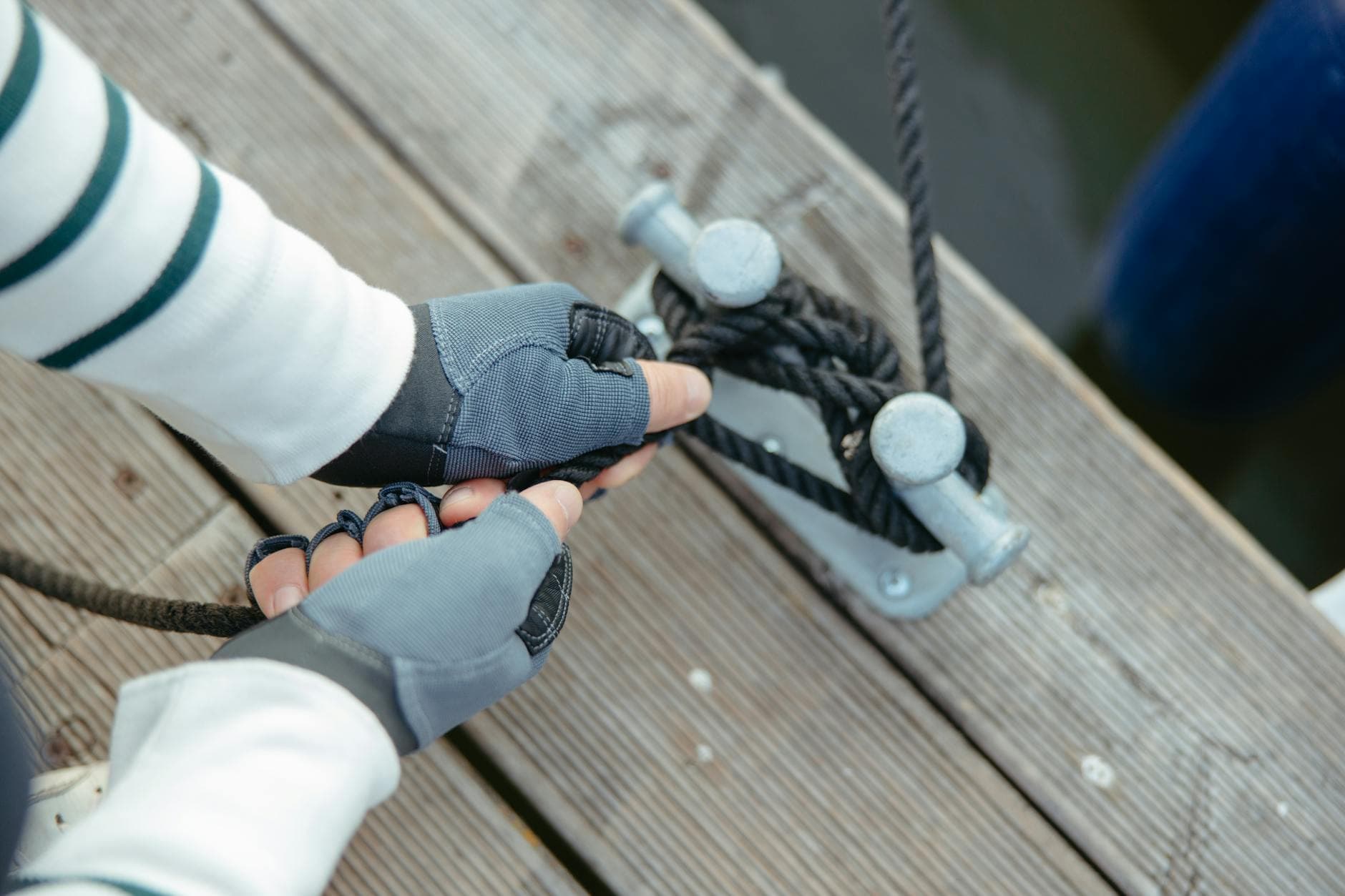
BoatTEST’s message lands where a lot of new boaters get careless: at the dock, the ramp, or the first tight turn in a marina fairway. A wheel and throttle may feel familiar, but a boat does not behave like a car, and that false sense of control is where avoidable mistakes start. Docking, navigating, and talking to nearby traffic are not instinctive skills, and when you skip instruction, every one of those routine moments can become the kind of problem that damages boats, nerves, and sometimes people.
The practical lesson is simple. Boating has a learning curve, and formal instruction is not a luxury add-on after you “figure it out.” It is the first layer of safety, especially for anyone who still treats confidence as a substitute for training. That is true whether you are stepping onto your first small powerboat or refreshing skills you picked up years ago and never really tested under pressure.
What a good baseline course should cover
The starting point BoatTEST points to is a NASBLA-approved boating safety course. NASBLA reviews boating courses to determine whether they meet a National Boating Education Standard, which gives you a clear benchmark instead of guessing whether a class actually teaches the fundamentals. The Coast Guard also says many states offer boating safety courses, and that boating safety education is meant to improve boaters’ knowledge, skill, and abilities.
That matters because the right course is not just about passing a quiz. It should help you handle the situations that trip up DIY boaters most often: meeting and passing other vessels, reading navigation lights, using sound signals correctly, understanding buoyage, and knowing the legal minimums for safety equipment. Those are the building blocks that keep a small mistake from becoming a collision, a grounding, or a scramble in bad conditions.
For sailors and powerboaters alike, the strongest courses are the ones that connect theory to dockside reality. If you can only recite the rules but cannot apply them when you are backing into a slip, crossing a busy channel, or deciding whether your crew is ready to continue, the training has not done its job.
The numbers show why the shortcut is expensive
The Coast Guard’s 2023 recreational boating statistics make the risk impossible to shrug off. In calendar year 2023, the agency counted 3,844 incidents, 564 deaths, 2,126 injuries, and about $63 million in property damage. The report, which the Coast Guard released on May 28, 2024, was its 65th annual recreational boating statistics report, and it showed fatalities down 11.3 percent from 636 in 2022, with incidents down 4.9 percent from 4,040.
The most sobering number is this: 75 percent of the people who died in those boating-related fatalities had received no boating instruction. That is the clearest argument in the whole story. If formal education is missing in three out of four fatal cases, then training is not just a compliance box. It is one of the few interventions that directly changes outcomes.
The Coast Guard says it has coordinated the National Recreational Boating Safety Program since 1971 and estimates that the effort has helped save about 95,000 lives. That history reinforces the same point from another angle: boating safety education has been treated as a national safety system for decades because it works best when it is shared, standardized, and repeated.
Why safety gear and sober judgment belong in the same lesson
A lot of dockside improvisation fails in the same way. The operator trusts instinct, but the real problem is that instinct is being asked to cover for missing training. That is especially dangerous when the decision involves life jackets, communications, or whether the crew is actually prepared for the conditions in front of them.
The Coast Guard’s safety materials tie training to the habits that prevent disasters before they start. During National Safe Boating Week, it urges boaters to take a boating safety course or schedule on-water instruction, file a float plan, and carry reliable communications. It also says alcohol remains the leading known contributing factor in fatal boating incidents, and its boating-under-the-influence guidance says alcohol is involved in about a third of all recreational boating fatalities.
The 2023 statistics sharpen that warning. Alcohol was tied to 79 deaths, or 17 percent of total fatalities, as the leading known contributing factor in fatal accidents. At the same time, a separate life-jacket study found that 75 percent of the 564 boating-related fatalities in 2023 involved drowning, and 87 percent of those victims were not wearing life jackets. That combination tells you exactly where confidence can become reckless: when you skip the safety gear, overestimate your own judgment, or treat a few drinks as harmless on the water.
How to choose the training that actually helps you
If you want instruction that pays off on your own boat, look for a course that is both recognized and accessible. A NASBLA-approved class gives you the national standard baseline. From there, the BoatUS Foundation says its boating education reaches 2 million boaters annually, and its free online courses make it easy to start without excuses about cost or convenience.
The U.S. Coast Guard Auxiliary adds another useful option because its boating courses are available virtually and in classrooms, which means you can choose the format that fits your schedule and your learning style. That flexibility matters for experienced skippers too. A refresher course can be just as valuable as first-time instruction when you are trying to correct bad habits around docking, emergency response, or safety gear use.
State rules can also make training non-negotiable. Virginia, for example, requires all personal watercraft operators age 14 and older and all operators of motorboats with a 10 hp or greater engine to complete a boating safety course. In Virginia, the course completion certificate or card is what is required to operate a vessel there. That is a good reminder that training is not only about seamanship, it can also affect compliance and the cost of staying legal.
When self-teaching stops being thrift
There is a point where figuring it out on your own stops being smart savings and starts becoming a liability. If you have never been taught the rules of the road, if you do not know how to read lights and marks quickly, if your life-jacket habits are casual, or if alcohol and overconfidence are still part of your boating culture, you are not “keeping it simple.” You are leaving risk in places a course would have closed off.
The better habit is to treat instruction as part of the boat itself, like maintenance, fuel, or the gear you rely on when conditions turn. The real test is not whether you can get away with docking once without help. It is whether you can keep making the right call when the ramp is busy, the harbor is tight, and the confidence that felt useful an hour ago is no longer enough to keep the crew safe.
This article was produced by Prism’s automated news system from verified source data, official records, and press releases, then run through automated quality and moderation checks before publishing. The system is built and supervised by the people who set the standards it runs under. Read our full AI policy.
Did this article answer your question?