DIY dinghy cover extends inflatable life and shields it from weather
A DIY dinghy cover can save worn inflatable tubes from sun, spray and sand, and one hard-used Avon wrap stayed serviceable for more than five years.
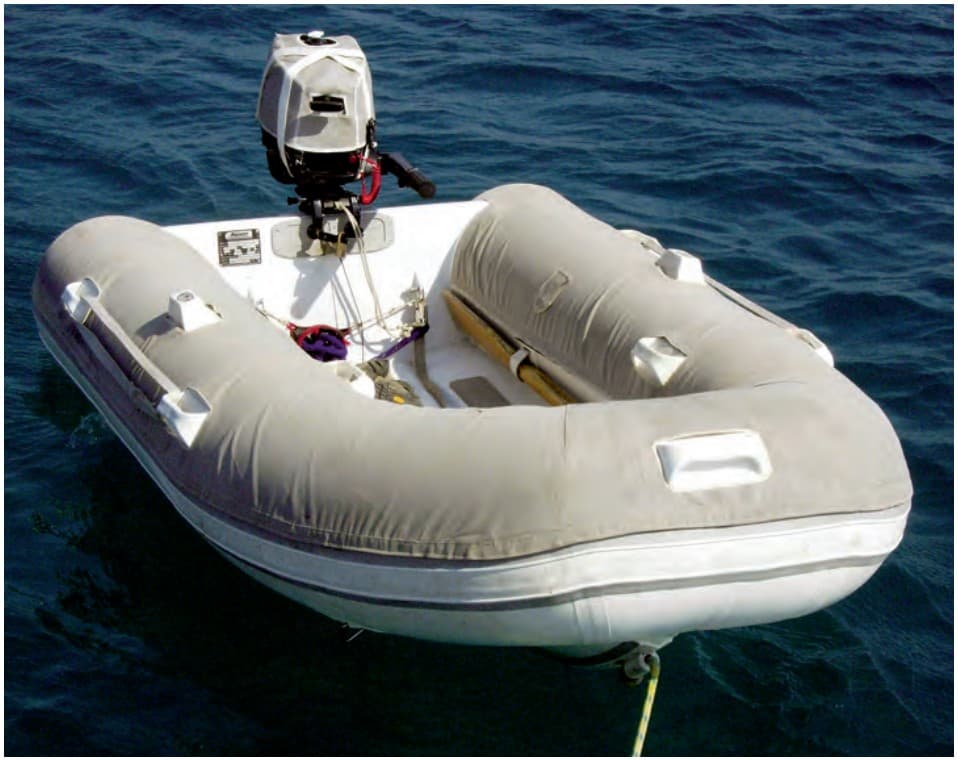
A good dinghy cover is cheaper than new tubes, and on a hard-used tender it can be the difference between patching wear and shopping for a replacement skin. Jane Lothrop’s RIB wrap makes that case with a cover that handled cruising abuse, a hurricane-season refuge, and years of use well enough that both the dinghy and the cover were still serviceable more than five years later.
Why a cover belongs on a working tender
A cruising dinghy is not a display item. It is the sport vehicle, family car, fishing boat, off-road explorer, and sometimes the life raft of the boat, which means it lives outside, gets dragged up beaches, and spends long stretches soaked in sun and spray. That is exactly the kind of routine that beats up Hypalon or PVC skin, especially when the tender sits exposed day after day.
That is why a cover is more than a tidy-looking accessory. Cover makers and inflatable-boat sellers point to the same payoffs: UV protection, less rain and dirt on the tubes, fewer mildew problems, and less general weathering. They also stress storing inflatable boats out of direct sunlight whenever possible, because heat and UV are what turn a usable tender into a tired one.
The Rio Dulce example shows why DIY makes sense
Lothrop’s first Avon RIB cover was made while cruising in the Rio Dulce during hurricane season, a place that cruising sailors know as a refuge when the weather turns rough. The river sits about 20 miles inland in Guatemala and is widely treated as one of the safest hurricane harbors in the western hemisphere. Reports from the area say upwards of 1,000 yachts may stay there semi-permanently or ride out the June-to-December hurricane season, and marina guidance describes very heavy rain and intense tropical sun during that stretch.
That setting explains the logic of a homemade wrap better than any sales pitch. The photo of the finished cover was taken in Queensland, Australia, in April 2007, but the real lesson came from use: the cover did its main job, even if it was not perfect. When the dinghy ran fast, the cover could scoop water and dump it onto the helmsman’s backside, a flaw that shows why drainage and shape matter just as much as fabric choice.
Choose materials that match the skin and the weather
Inflatable boats are commonly built from PVC or Hypalon, which marine sources still often use as shorthand for CSM fabric. Trelleborg describes CSM, also known as Hypalon, as suited for harsh environments, and several marine references note that the old DuPont trade name remains in use even though the material itself is now generally referred to as CSM. That matters because the cover should be chosen with the tube material and the boat’s living conditions in mind.
Commercial storage covers reinforce the point. West Marine describes marine-grade PVC-coated nylon covers as offering durability, plus water, mildew, stain, and UV resistance. Newport Vessels gives the same basic prescription for inflatable dinghies: use covers, store the boat properly, and add a UV protectant for extra defense.

If you are already fighting fade or chalking, 303 Aerospace Protectant and similar products are built for that job. West Marine says its 303 UV Protectant for Inflatable Boats helps prevent fading, discoloration, and cracking, and can be reapplied every 30 to 45 days. That kind of maintenance does not replace a cover, but it stretches the life of the exposed surfaces that a cover cannot fully shield.
Cut the wrap around the boat you actually use
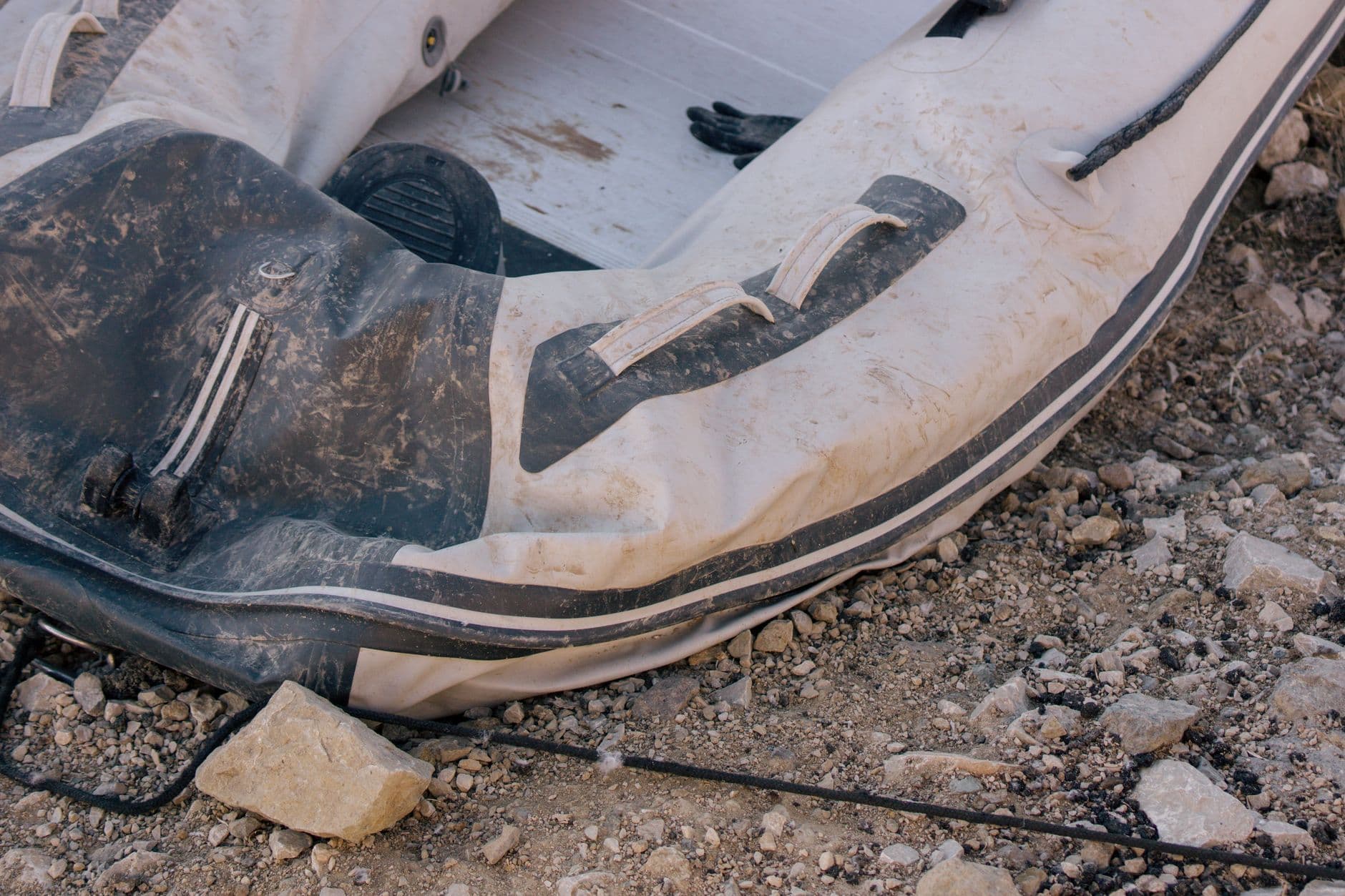
The strongest point in Lothrop’s story is that a custom cover fits the way you cruise, not the way a catalog assumes you cruise. If your tender is hauled across steep beaches or over rocks, weight and portability matter as much as weather protection. A cover that is awkward to carry, difficult to stow, or slow to put on is the kind that gets left behind.
That is where the real DIY decisions start:
What to build around
- Map every handle, seam, and protrusion before you cut cloth. A cover that ignores the boat’s shape will fight you every time you install it.
- Make the fastening system simple enough to use from the dock, the beach, or a wet deck. If it takes a wrestling match, it will not get used often enough.
- Leave the cover with enough shape to shed water instead of pooling it. Lothrop’s fast-running flaw is the cautionary tale here.
- Keep the finished wrap light enough to move with the tender, because a cover that is too bulky defeats the whole point when you need to drag the boat ashore.
Where homemade wraps usually fail
Most homemade covers fail in the same few places: they trap water, they are too loose around fittings, or they are too heavy to bother with. That is why a one-size-fits-all solution often loses to a careful custom piece, even if the custom piece is sewn at home and not in a shop. The goal is not perfection, it is a wrap that stays on, drains, and protects the tubes that would otherwise bake in the sun.
That is what makes this kind of project so useful for real cruising life. A good cover pays for itself in preserved material, less heat on bare tubes, and fewer headaches at the dock or beach, which is exactly the trade a working tender needs.
This article was produced by Prism’s automated news system from verified source data, official records, and press releases, then run through automated quality and moderation checks before publishing. The system is built and supervised by the people who set the standards it runs under. Read our full AI policy.
Did this article answer your question?