Dyneema rigging can replace wire, shackles, and boat hardware
Dyneema can be a real wire-replacement tool, but only when the load path, chafe protection, and hardware match the rope. Get that right, and it can simplify rigging and cut weight aloft.
The first rust streak on a stay is usually the moment sailors start thinking about stainless wire, replacement cycles, and how much ugly hardware lives up the mast. Dyneema changes that conversation fast: on the right job, it can replace wire, shackles, and other fittings while trimming weight aloft and simplifying the boat. The catch is just as important as the upside, because the best Dyneema conversion is the one that fits the loads, the blocks, and the chafe points already on your boat.
Where Dyneema actually earns its place
Dyneema is most compelling when you want a lighter, cleaner solution for running rigging and selected standing-rigging projects. It is already part of mainstream thinking for performance and cruising boats alike because it brings strength, versatility, and far less weight than metal-heavy setups. That matters when you are trying to reduce masthead weight, ease handling, or remove some of the hard parts that make rigging jobs expensive and fiddly.
The material can also take on some of the jobs sailors have traditionally solved with shackles and fittings. In practice, that means textile connections can replace certain metal links in a system, as long as the load path and termination method are right. This is not about swapping every bit of hardware for rope; it is about choosing where a rope-based connection gives you a cleaner, lighter, more serviceable result.
Think in grades, not in one-size-fits-all rope
Dyneema is not a single product. Dyneema says its sailing ropes are made from UHMWPE fibers and are lightweight, elongation-free, and responsive, but it also points to more than 40 engineered fiber grades and more than 25 years in the maritime sector. For sailors, that means the choice is not just “Dyneema or not.” It is which Dyneema, in what diameter, and for what load.
Dyneema identifies SK78 as the industry-standard sailing fiber and SK99 as its highest-performance sailing fiber. That distinction matters when you are matching a rope to standing rigging, running rigging, or a hardware replacement. If you are treating Dyneema like a generic line, you can end up with a rope that is technically strong enough but wrong for the job because it creeps too much, chafes too quickly, or does not work cleanly with the existing blocks and attachments.
The numbers that make owners pay attention
The strongest case for synthetic rigging is usually a practical one. SAIL Magazine described a Tayana 42 named Eclipse that was re-rigged after an inner forestay separated from its swaged fitting, a reminder that stainless wire can fail suddenly and still look fine right up to the moment it does not. In that conversion, 13 mm Dyneema had a breaking strength of 49,000 lb, compared with 17,500 lb for the standing rigging it replaced.
That kind of comparison explains why sailors keep looking at Dyneema for standing rigging, especially when they are already thinking about the usual roughly 10-year replacement cycle for stainless wire. Practical Sailor added another useful rule of thumb in March 2024: correctly sized Dyneema standing rigging, if sized to minimize creep, may be thick enough to resist UV and chafe for about 10 years. The message is not that Dyneema is immortal. It is that the material can fit into a realistic maintenance cycle when it is sized and protected properly.
Where the swap becomes a bad deal
Dyneema is attractive because it is strong, but the wrong detail can erase that advantage quickly. Chafe is the obvious enemy, especially where rope runs over sharp edges, small-radius hardware, or parts that were designed around wire rather than textile. Hardware compatibility matters just as much, because if the blocks, terminations, or attachment points do not suit the rope, the system may be strong on paper and weak at sea.
Knots are another trap. One sailing-gear source says knotted HMPE or Dyneema should be assumed to retain only about 40% of its quoted strength, while a well-executed splice can typically retain about 90%. That difference is huge, and it is why Dyneema projects live or die on good termination work. If you are planning a conversion, the rope itself is only half the story; the splice, the chafe gear, and the geometry around it do the rest.
- Avoid knots where a splice will fit.
- Check every contact point for chafe potential before you commit.
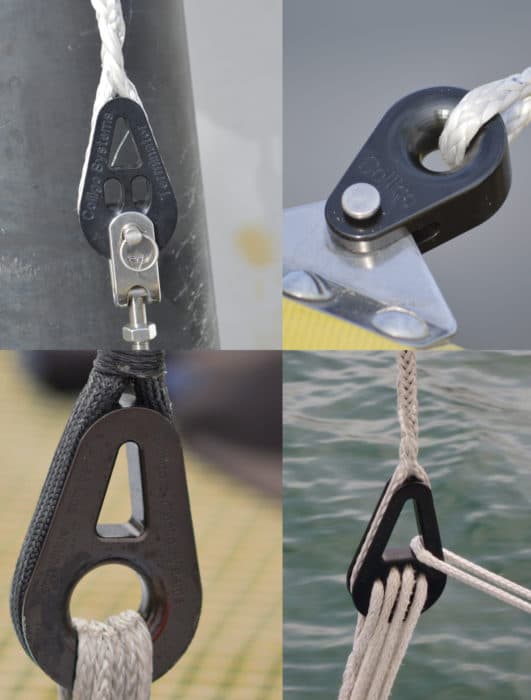
- Make sure the block, thimble, or fitting is actually designed for textile load paths.
- Size the rope for the real load, not just for the old wire diameter.
Inspection is the selling point, not just the strength
One reason synthetic standing rigging keeps getting more serious attention is that it can be easier to inspect than wire. Colligo Marine says its synthetic standing rigging is fully inspectable, and that chafe and UV damage show up as visible fuzzy wear cues. That is a big deal for owners who would rather catch a problem early than wait for a hidden wire break to announce itself all at once.
Colligo also says its synthetic standing rigging can provide a much higher strength factor of safety than steel systems. For DIY sailors, that pushes the decision away from abstract fear and toward routine. A synthetic stay is not a fit-and-forget item, but it can be a system you can read, watch, and maintain on schedule instead of replacing automatically just because the calendar says so.
What Dyneema really simplifies on board
Used well, Dyneema simplifies the jobs sailors hate most: heavy hardware aloft, corroded fittings, and the constant suspicion that stainless is hiding damage inside. It is especially appealing when you want to replace certain wire jobs, reduce weight, or build cleaner connections where metal shackles are doing more work than they should. It also fits the DIY mindset because the decision is visible and mechanical: if the loads are understood, the leads are fair, and the terminations are right, the upgrade is straightforward.
That is the real test. Dyneema is not just another rope material, and it is not a universal replacement for wire, shackles, or hardware. But when the boat is asking for a lighter, simpler, inspectable solution, and the chafe, creep, and compatibility questions are answered before you start, it can turn a familiar rigging headache into a job you can actually own.
This article was produced by Prism’s automated news system from verified source data, official records, and press releases, then run through automated quality and moderation checks before publishing. The system is built and supervised by the people who set the standards it runs under. Read our full AI policy.
Know something we missed? Have a correction or additional information?
Submit a Tip