Fouled propeller turns saildrive failure into a rescue tow
A fouled prop can stop a saildrive boat dead and trigger a tow in minutes. The key is knowing when to inspect, when to stop, and when not to motor on.
When a fouled prop becomes a rescue problem
A fouled propeller is not just a patch of lost thrust. On a saildrive boat, it can escalate from a minor underwater nuisance to a drive failure, a destroyed seal, and a tow home before you have time to sort out what happened. That is exactly the lesson that runs through Alan Weavers’ account of the saildrive-propelled Dufour Peripety, bound from Dartmouth to the Channel Islands, when the boat was about three-quarters of the way across, motoring because the wind had died, and the engine suddenly stopped. The passage did not end with a quick check and restart. It ended with a lifeboat tow.
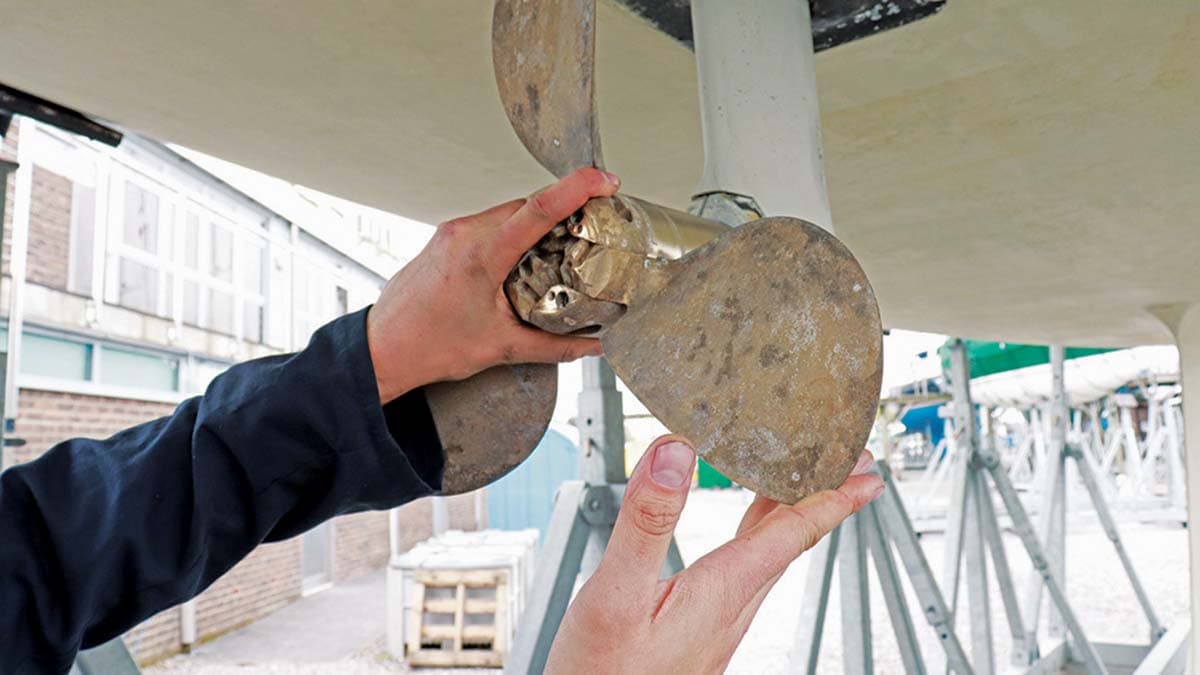
That chain of failure matters because saildrives concentrate propulsion into one compact unit. When the prop is wrapped in line, weed, or netting, the problem is not just drag. The load goes straight into the drive system, and if the fouling involves fishing line around the saildrive, the seal can be destroyed, seawater can enter the drive, and the oil can turn into an emulsion. From there, corrosion in the aluminium leg becomes part of the repair bill. At that point, trying one more burst of throttle is not seamanship. It is a way to turn a recoverable incident into a far more expensive one.
What the failure chain looks like
The first warning is often simple: the engine stops when you still expect the boat to be making way. In the Dufour Peripety case, the wind had died and the engine was carrying the passage, so the stop was immediate and consequential. When that happens, the danger is that you treat the loss of propulsion as a temporary hiccup instead of the first sign that the propeller or saildrive has been compromised.
The Royal Yachting Association says fouled propellers and entanglement with sea-fishing gear such as nets, pots, markers, flags and lines have been a concern for many years. The association also says better marking and lighting of static fishing gear is needed, but boaters’ reports are still scarce. That combination is important for cruising sailors because it means the hazard is both familiar and persistent, while the data on how often it happens is still incomplete. You cannot assume the risk is rare just because you have not seen it yet.
What to check before you keep going
A fouled prop should trigger a careful inspection, not optimistic continuation. Start with the obvious signs: unusual vibration, extra drag, a change in engine note, or a stop that feels abrupt rather than mechanical. Then get eyes on the drive area as soon as it is safe to do so, because the difference between weed on the blades and line around the leg is the difference between inconvenience and damage.
The maintenance message from Practical Boat Owner is blunt: the saildrive needs an annual inspection to ensure the boat performs well. That inspection is not just about the propeller itself. You are looking for the condition of the seal, the presence of line or debris wrapped around the drive, and any sign that seawater has entered where it should not. If you find contamination in the oil, or evidence that the seal has been compromised, the correct move is to stop treating the drive as operational until it has been checked properly.
- Propeller blades for line, netting, or bent edges
- The saildrive leg for wrapped gear or impact marks
- Oil condition for any milky emulsion that suggests water ingress
- Seal area for leaks or other signs of failure
- Corrosion on the aluminium leg, especially if seawater exposure is suspected
Useful checks include:
Why saildrives demand a stricter maintenance rhythm
Modern saildrives are popular for a reason. Cruising World notes that they reduced labor and shifted some drivetrain liability to engine manufacturers, and in the 2017 Boat of the Year competition only three of the 24 boats inspected had traditional shaft drives. That convenience, though, comes with a maintenance burden that sits right at the point where you least want surprises: motoring in calms, docking, and tight-harbor maneuvering.
The other big interval to watch is the bladder seal or diaphragm replacement cycle. Cruising World cites the major manufacturers in the United States, Yanmar and Volvo Penta, as recommending replacement every five and seven years respectively. That is not a cosmetic service item. It is one of the few things standing between normal operation and a failure that can let seawater into the drive. If you are keeping a saildrive boat in cruising trim, those replacement intervals belong on the same calendar as rigging checks and engine servicing.
What recovery looks like when the prop is already fouled
Once propulsion is lost, recovery has to be measured and safe. The RNLI’s advice after a rope-fouling incident near Wicklow Head was simple and practical: check engines and fuel, wear lifejackets, and carry means of calling for help. That is the right order of priorities because the boat, the crew, and communications come before the mechanical diagnosis.
The RNLI has seen how quickly this kind of problem becomes a tow. On 22 February 2024, Wicklow RNLI towed a 12-metre fishing vessel after a rope fouled one of its propellers, three miles southeast of Wicklow Head, after the vessel developed mechanical problems. On 27 May 2026, RNLI Fleetwood responded to a fishing vessel off Blackpool whose propeller had become fouled by its own trawling net. Different boats, different waters, same outcome: entanglement can remove propulsion fast enough that outside assistance becomes the safest option.
That is the exact point where “one more try” becomes a bad wager. If the prop is wrapped, the drive is vibrating, the engine has stopped unexpectedly, or there is any sign of seal damage or water contamination, keep the load off the drive and move into recovery mode. The cheapest fix is the one that starts before the seal goes, before the oil emulsifies, and before the aluminium leg starts paying for seawater exposure.
The seamanship lesson
The Dufour Peripety incident is memorable because it is so ordinary. A calm passage, a dead wind, a saildrive doing the job, then a sudden stop and a lifeboat tow. That is what makes fouled props such a serious cruising issue: the failure often begins with something small and familiar, but the cost lands in the category no skipper wants, where maintenance, recovery, and rescue all meet at once.
This article was produced by Prism’s automated news system from verified source data, official records, and press releases, then run through automated quality and moderation checks before publishing. The system is built and supervised by the people who set the standards it runs under. Read our full AI policy.
Did this article answer your question?