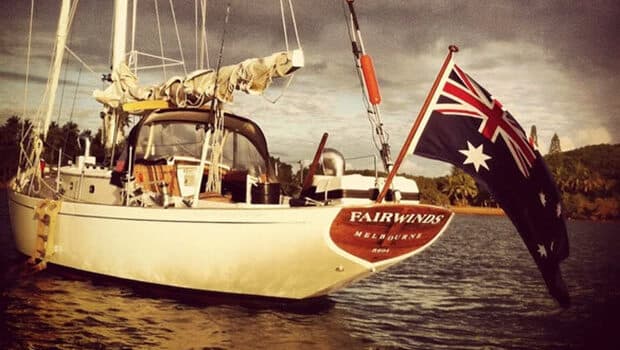
Glue-On Hardware Mounts Solve Tough Sailboat Installation Challenges
When the backside is blocked and the deck is cored, a glued-on mount can be the safer move. The trick is knowing when through-bolting still belongs, and when it just creates a leak path.
When drilling the “obvious” hole is the wrong answer
A cored deck can turn a simple hardware job into an expensive mistake. If you punch through without a plan, you can crush the core, open a path for water, and create a repair that costs far more than the fitting you were trying to install. That is why through-bolting with a backing plate is still the gold standard for serious deck hardware, but it is not the only structurally honest answer when the backside is unreachable or the shape of the boat refuses to cooperate.
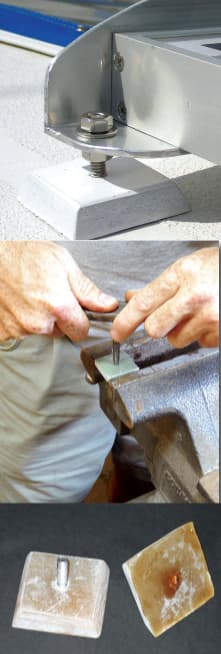
Drew Frye’s catamaran hard-top solar project makes the problem easy to see. The panel mount had to follow a compound curve, come off later if needed, and leave airflow underneath the modules. In that kind of setup, the cleanest answer is not always a row of new holes. Sometimes it is a well-made bonded mount that keeps the structure intact and the leak risk low.
Where through-bolting still earns its reputation
For high-load hardware, the old rule still makes sense. Cleats, stanchion bases, winches, genoa tracks, and similar deck gear are the kind of fittings that deserve a mechanical attachment with real backing on the underside. The bolt is only part of the system; the backing plate spreads the load so the deck is not asked to carry point stress it was never meant to take.
That matters even more on cored fiberglass, because almost all fiberglass decks are cored these days. Once water gets into that sandwich, the damage can spread over time. Balsa core can rot. Foam core can delaminate after repeated freezing and thawing. Practical Sailor’s guidance is blunt about the cure: seal the core around every penetration, or water will eventually seep between the skins. The long-standing repair pattern is to overdrill or core out the hole, fill it with epoxy, then redrill so the fastener bears on solid material. That preserves compression strength and closes off the wet path before it starts.
The reason boat owners still obsess over deck penetrations is simple. Marine How To notes that sailboats can have hundreds of them, and once the deck becomes saturated and rotted, market value can fall by 25% to 50%. In other words, every hole has a long shadow.
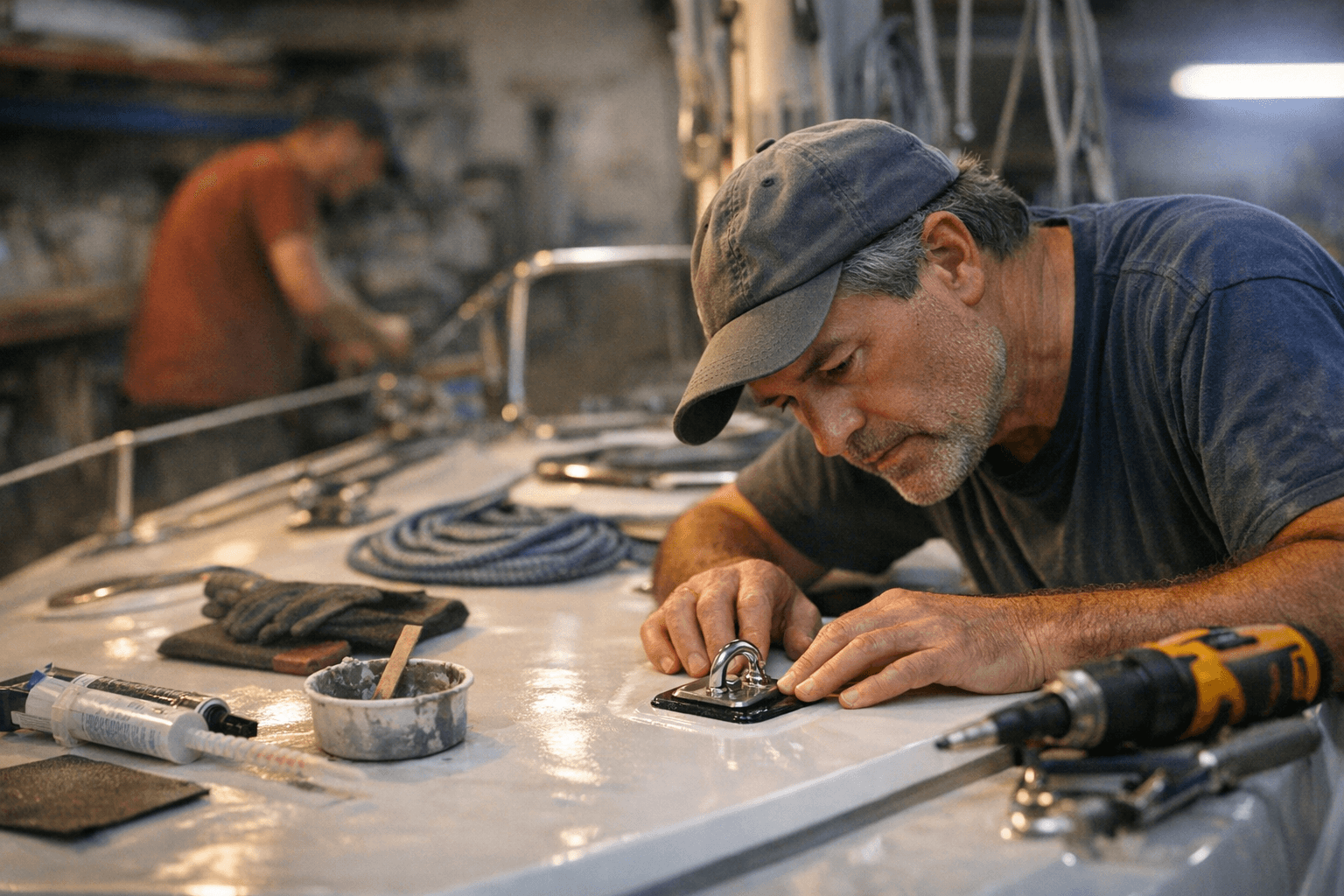
When the backside is missing, the project changes
The trouble starts when you need a secure mounting point but cannot reach the reverse side to fit a nut and plate. Practical Sailor’s list of common jobs reads like a survey of the awkward parts of boat ownership: water pumps, fuel filters, grab rails, tank straps, stove brackets, electrical panels, rod holders, and windvane turning blocks. Those are exactly the sorts of installations that force you to choose between compromising the structure and finding another fastening strategy.
That is where glue-on hardware mounts become attractive. They are not a shortcut for bad engineering. They are a way to move the load into a larger bonded area when through-bolting would create more harm than help. For a solar installation on a hard top, the goal is not to make the panel survive a hurricane by itself. The goal is to create a replaceable interface that holds the panel where it needs to be, allows service later, and keeps the deck sealed.
Rigid solar panels are often best suited to hard-tops, arches, hard dodgers, and davits when the space is available. Those locations give you the clearance and durability flexible panels often lack, but they also tend to expose you to curved surfaces, hidden structure, and a very real desire not to drill another leak into a valuable composite top.
How the glued-on foot is built
Frye’s solution uses four mounting feet made from precast fiberglass sheet, paired with stainless-steel bolts. The process starts with surface prep, and that part matters more than people like to admit. The precast FRP gets scrubbed with TSP to remove contamination, including amine blush or mold release, before any fabrication begins.
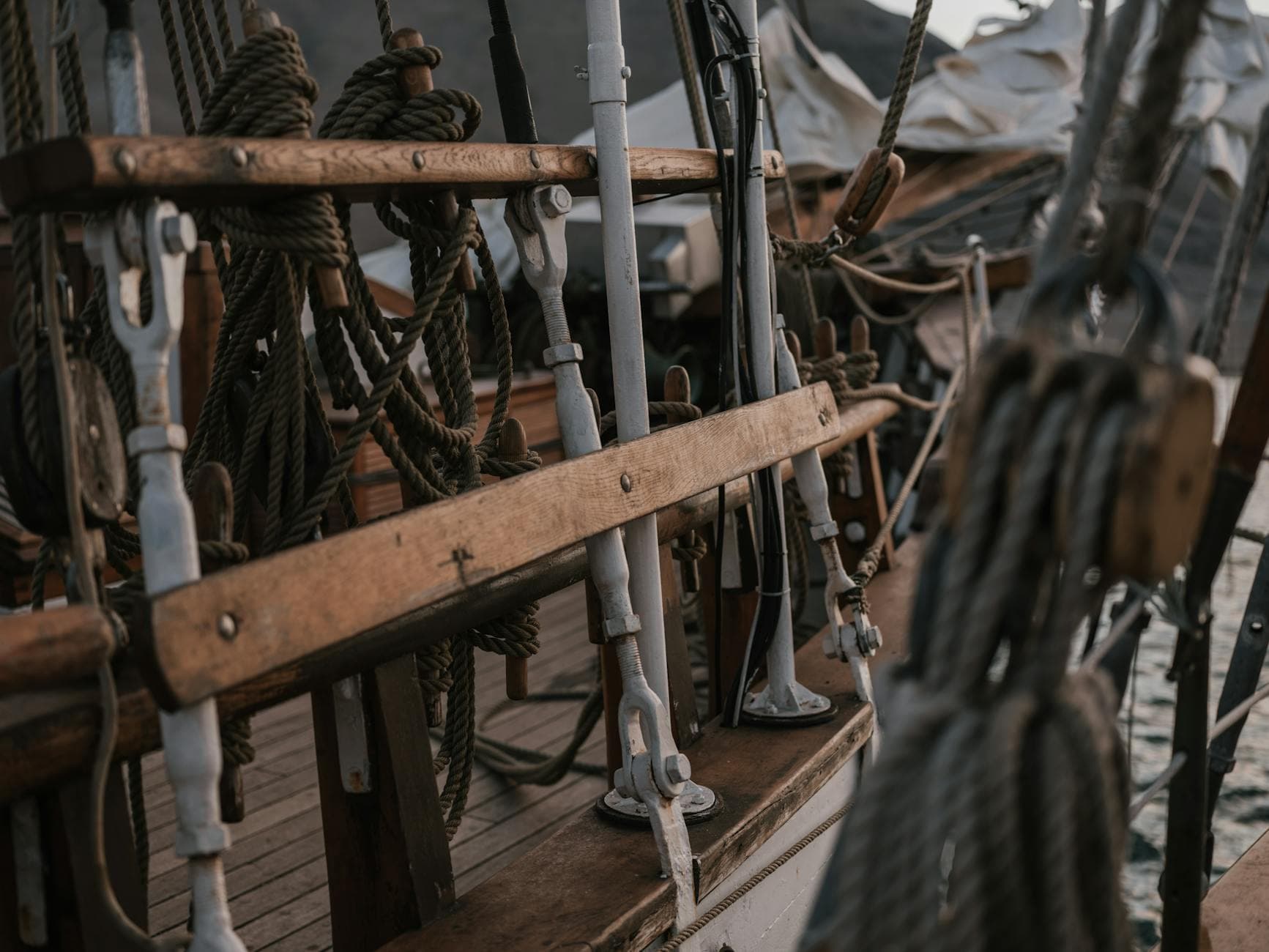
From there, the material is laminated up to about 1/2-inch thickness and tapped for 1/4 x 20 bolts. Frye’s point is practical as much as mechanical: a 1/4-inch bolt will break before the threads strip out of 1/4-inch FRP, so the interface is strong enough for the job without being overcomplicated. The bolts are epoxied into the FRP, the finished feet are ground smooth, and then those feet are bonded to the panel frame with thickened epoxy.
The curing setup is refreshingly low-tech. The weight of the panel itself provides the clamping pressure, while simple spacers or ropes keep the assembly from sliding as the adhesive cures. That detail is part of the real appeal of the method: it solves an installation problem without introducing a pile of new holes or demanding impossible access behind the structure.
The real tradeoff is not strength versus weakness
The better question is whether you need a point-fastened structural attachment or a bonded interface that spreads load over area. Through-bolting is still the benchmark when the hardware is carrying high loads, movement, or safety-critical forces. A well-executed glue-on mount makes sense when the load is moderate, the backside is inaccessible, the surface is curved, and the cost of drilling through the structure is hidden damage that you will only discover later.
That is the larger lesson running through the modern deck-hardware debate. On a cored fiberglass deck or hard top, the wrong hole can become a water path, a crushed core, or a soft spot that grows. On the right job, though, epoxy and fiberglass can substitute for conventional through-fastening in a way that is both cleaner and safer. The smartest owner is not the one who drills most confidently. It is the one who chooses the fastening method that fits the structure already on the boat.
When the installation has to balance strength, access, future removal, ventilation, and leak prevention, a glued-on mount can be the answer that keeps the boat sound for the long haul.
This article was produced by Prism’s automated news system from verified source data, official records, and press releases, then run through automated quality and moderation checks before publishing. The system is built and supervised by the people who set the standards it runs under. Read our full AI policy.
Did this article answer your question?