Good Inboard Diesel Design Demands Easy Access for Routine Service
The cheapest diesel on paper gets expensive fast if routine service needs teardown gymnastics. If you can’t reach the oil, filters, belts, couplings, and impeller, the install is already a liability.
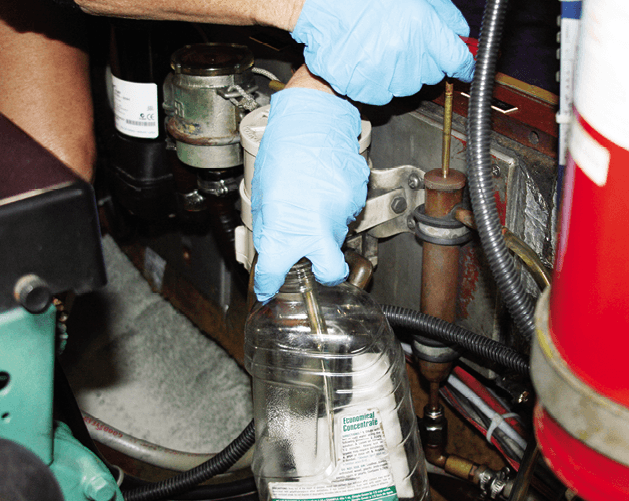
The first thing I check on any inboard diesel is not horsepower, charging output, or the shine on the paint. It is whether I can get my hands on the parts that actually need attention. A diesel that forces you into mechanic’s yoga for every oil change and belt check is not finished, it is booby-trapped for deferred maintenance. The hidden ownership cost is not just buying replacement parts, it is whether routine service can be done fast, safely, and often enough to stop a small fault from becoming a dead engine at the worst possible moment.
That is why good engine-room layout matters so much. Poor access shortens maintenance intervals because you start putting off jobs that ought to be simple. A filter swap turns into an afternoon project, the raw-water impeller gets ignored until it fails, and a loose alternator belt or tired coupling goes unnoticed because the fix looks miserable. On a cruising boat, that is not an inconvenience. It is a reliability problem and, bluntly, a safety problem.
Start with the access points that take the most abuse.
- A remote oil sump pump can turn a filthy oil change into a controlled job instead of a spill-prone wrestling match.
- Remote filter mounts matter because filters are routine consumables, not sacred artifacts. If you cannot reach them without stripping half the engine room, the design is working against you.
- Alternator adjustment bolts need real tool access. If you cannot loosen, tension, and retighten that belt without losing skin, the charging system is one vibration away from becoming a problem.
- Shaft coupling faces must be reachable for alignment work. If you cannot inspect them cleanly, you are guessing about one of the most important interfaces in the drivetrain.
- The raw-water impeller should be easy to inspect and reach. That is one of the most common service items on the boat, and it is also one of the easiest to postpone if access is miserable.
These are not luxury features. They are the difference between a diesel you can actually live with and one that looks fine until the first season of real use exposes the shortcuts.
The standards world agrees that access is not a nice-to-have. ABYC’s diesel fuel system standard defines accessible as capable of being reached for inspection, removal, or maintenance without removing permanent boat structure. That definition is worth pinning to the shop wall because it cuts through a lot of self-deception. If you have to dismantle built-ins, cut away structure, or perform a full-scale cabin surgery just to inspect a part, that part is not truly accessible.
The U.S. Coast Guard also references ABYC standards, including diesel fuel systems, in machinery installation requirements for certain vessels. That matters because access is not just a DIY preference or a refit trend. It sits inside the broader machinery-installation conversation, where safe layout and practical maintenance are part of the same equation.
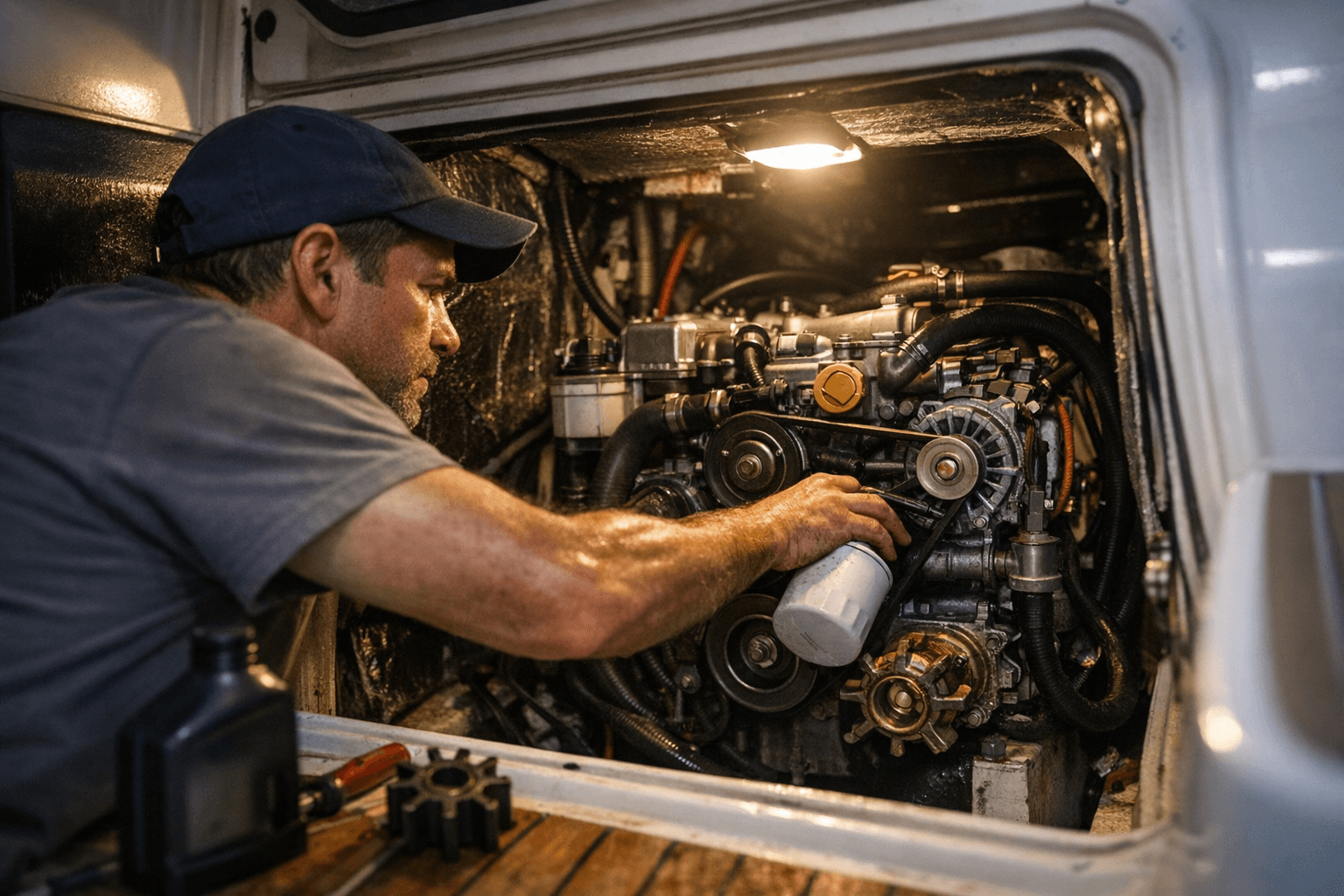
The manuals are telling the same story, just in a quieter voice. Manufacturer maintenance guides routinely assume that oil and filter changes, raw-water impeller checks, belt checks, coolant service, and zinc replacement are part of normal ownership. That list is the real operating rhythm of an inboard diesel. If your install makes those jobs awkward, you are not just annoying the owner. You are making the engine harder to keep alive.
Beta Marine is explicit that its literature should be downloaded regularly because the documentation is updated. That is a useful habit for any engine room, because the service path changes as manuals change, part numbers change, and maintenance guidance gets refined. Volvo Penta’s service protocol draws a clean line between routine owner/operator service and special interval service recommended for authorized dealers, which is another reminder that a healthy diesel depends on both regular owner attention and the occasional specialist job. The point is not that dealers own the engine. The point is that you need a layout that lets you handle the routine work without hesitation, then hand off the specialty tasks when the schedule calls for it.
Here is the practical audit I would use on a refit or before buying a boat.
1. Open the engine room and identify the jobs you will do most often: oil changes, filter swaps, belt checks, impeller inspection, coolant service, zinc replacement, and coupling inspection.
2. Put your hands on each service point, not just your eyes.
If the part is visible but unreachable, that is a false win.
3. Check whether any access depends on removing permanent structure, not just opening a panel.
ABYC’s definition gives you the line: if the boat has to come apart, the access is not good enough.
4. Ask whether the job can be done cleanly and repeatedly, in a seaway or at a cramped marina berth, without improvisation.
If the answer is no, the install is fragile.
That last question is the one a lot of people skip when they are distracted by horsepower numbers or polished paint. But engines do not care about brochure claims. They care about whether somebody can get to the belt before it shreds, the filter before it clogs, and the impeller before it melts into a summer of avoidable repairs.
The warning signs are usually obvious once you stop making excuses for them. A diesel may look maintainable because the engine itself is visible, yet every actual service point sits behind hoses, wiring, lockers, or structure that has to be moved first. An alternator bolt hidden under a maze of plumbing is a future charging failure. A shaft coupling that cannot be checked without a contortionist routine is a future alignment problem. An impeller cover you cannot reach with a normal wrench is a future overheating story. Even the best engine is a liability if the maintenance path has been designed around hiding the machinery instead of serving it.
That is the real lesson here. Judge an inboard diesel by the path to routine service, not by the brochure and not by the paint. If the owner can inspect, remove, and maintain the parts that matter without tearing the boat apart, the installation is ready for the long haul. If not, the problem is already built in.
This article was produced by Prism’s automated news system from verified source data, official records, and press releases, then run through automated quality and moderation checks before publishing. The system is built and supervised by the people who set the standards it runs under. Read our full AI policy.
Did this article answer your question?