Hanse 301 owner relocates diesel fuel filter for easier maintenance
A buried diesel filter can turn a routine service into a dead-boat problem. On this Hanse 301, moving it into reach makes contamination checks and element changes far safer.
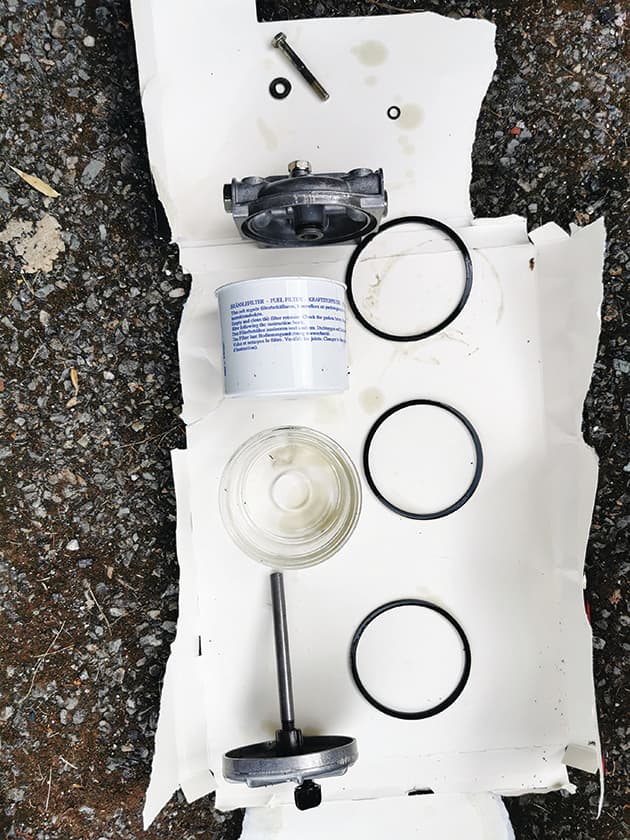
A filter you can actually reach is a filter you can trust
A cramped fuel filter is more than an annoyance when you are cruising. It is the kind of hidden problem that turns a routine service into a knuckle-busting job, and a simple service into a no-start situation if air sneaks into the fuel line. On Paul Diamond’s Hanse 301, the fix was straightforward in concept and smart in effect: move the primary filter to a better spot and make the whole setup easier to live with.
Practical Boat Owner published Diamond’s project on June 2, 2026, and the reason it lands so well with diesel-boat owners is obvious. A fuel system only feels simple until you have to change a filter in a tight engine bay, line up seals by touch, and bleed the system with little room to work. Once access improves, the job stops being something you postpone and starts being something you can do properly before trouble builds.
Why the primary filter matters first
The logic of the diesel fuel system is simple enough. The primary filter and water separator sit before the fuel reaches the lift pump, catching larger particles and separating water early. The secondary filter sits later, on the engine, where it protects the injectors. That first stage is the one that deals with the bulk of the dirt, water, and debris that can wreck a day afloat.
That is why service access matters so much. If the seal is not right, air can enter the lines and the engine will not run. If rough weather stirs up sediment in the tank, the primary filter can block just when you need the engine most. The boat may make it into harbor and then refuse to restart, which is exactly the kind of problem a better filter location is meant to prevent.
What the Hanse 301 change solves
Diamond’s answer was to replace the awkward original arrangement with a Racor R12T installation. The R12 fuel filter and water separators are designed for suction-side installation, which makes them a good fit for the primary stage of a marine diesel fuel system. The R12-series setup carries a stated maximum flow capacity of 15 gallons per hour, and the R12T replacement elements are sold as 10-micron filters for 120-series assemblies.

That matters because the filter is not just there to look tidy. Racor’s marine filtration lineup, documented in its catalog material, is built around separating fuel, water, and contaminants before they reach sensitive engine parts. Fisheries Supply describes a dedicated fuel-water separator and primary fuel filter as the first line of defense, removing free water and fine debris before fuel reaches the engine. That first line of defense is what helps support smoother idling, cleaner combustion, and fewer surprises when the tank picks up contamination.
Mounting the filter where maintenance is realistic
The practical lesson in Diamond’s upgrade is not just “move it somewhere else.” It is move it somewhere you can service without fighting the boat. The best location is the one that lets you inspect the housing, change the element, check the seal, and bleed the system without contorting yourself around the engine.
A sensible relocation also makes fault-finding easier. When the assembly is visible and reachable, you are more likely to spot weeping seals, loose fittings, or a clog before the boat loses power at the wrong moment. It also lowers the odds of a rushed filter change, which is when air leaks and poor seating are most likely to creep in.
- tank to separator
- separator to lift pump
- engine-mounted secondary filter after that
A good layout keeps the fuel path understandable:
If the separator is buried behind other gear, every one of those checks becomes harder. If it is mounted where your hands can reach it cleanly, the whole system becomes more serviceable under pressure.
Mistakes to avoid when relocating a fuel filter
The big risk in any filter move is creating a new access problem while solving the old one. A better position is only useful if it still allows the filter to do its job as a suction-side component and stay sealed properly.
- Do not put the unit where you cannot change the element or inspect the seal without dismantling half the engine space.
- Do not leave hose routing so tight that fittings are strained or service access is blocked.
- Do not assume the relocation fixes contaminated fuel, because the separator still needs regular attention.
- Do not rush the seal, because a poor seal can let air in and stop the engine.
Keep these pitfalls in mind:
The point is not cosmetic. Fuel cleanliness is within the owner’s control, and water, bacteria, and dirt can damage precision diesel components if they get past the primary stage. Passagemaker’s warning is blunt and worth remembering: a neglected diesel fuel system can leave a boat dead in the water.
The real payoff
A fuel filter moved into reach changes the tone of the entire system. Instead of dreading a dirty job, you can inspect and replace the element before the problem becomes urgent. That means more frequent servicing, safer troubleshooting, and a better chance of catching contamination before it becomes a tow or a no-start at anchor.
That is why this Hanse 301 upgrade matters beyond one owner’s engine bay. When rough seas stir sediment and the filter starts to choke, the difference between a quick fix and a miserable breakdown is often whether the filter is where your hands can get to it.
This article was produced by Prism’s automated news system from verified source data, official records, and press releases, then run through automated quality and moderation checks before publishing. The system is built and supervised by the people who set the standards it runs under. Read our full AI policy.
Did this article answer your question?


