How to choose a berth that makes sailing easier
The berth you pick can save or sink every project on board. Focus on power, access, rules, and exposure before the contract, not after move-in.
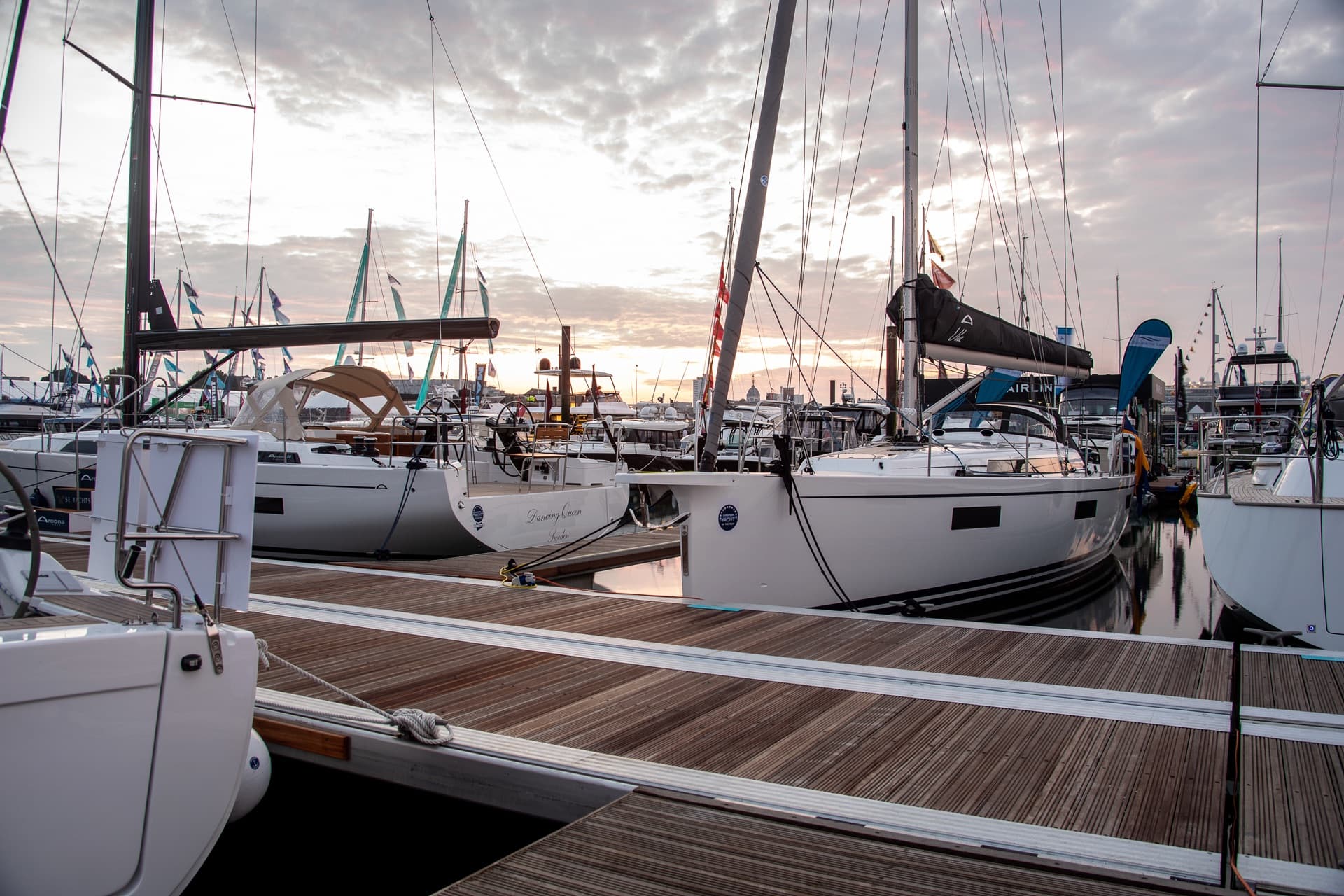
A cramped slip with poor access can turn every outing into a small logistics job. For many owners, finding the right berth is almost as important as finding the yacht itself, because that one decision shapes how often you get afloat, how easily you maintain the boat, and how much friction sits between you and the water.
Why the berth matters as much as the boat
The modern marina is not just a parking spot. It is the base for refits, inspections, loading, winter prep, and the quick jobs that keep a boat ready between passages. British Marine’s latest UK Marina & Moorings Market Report, built on survey responses from TYHA member marinas representing around 60% of UK berth provision, shows a market that is “stable but softening” as operators deal with economic headwinds, capacity constraints, and longer-term structural challenges.
The earlier berth shortage in the UK was driven by more sailors choosing to cruise at home and by the rise in boat ownership during the COVID-19 period, while TYHA described berth occupancy as “very high” and many marinas as full to capacity.
Start with the water side, not the brochure
A good berth begins with exposure. Wave action, surge, and wake all affect how easy it is to board, line up, and leave safely, and protection from those conditions is a core design issue. Floating breakwaters are used to protect small boat harbors while improving water circulation and reducing impacts on sediment transport and fish migration compared with bottom-founded structures.
If the marina relies on breakwaters, ask what they are meant to handle, how they perform in strong onshore winds, and whether the berth itself still sits in a surge lane. A sheltered-looking fairway can still be awkward if the approach funnels swell or if the pontoon layout leaves you broadside to the chop.
Check the hardware that will take the abuse
The stuff that fails first is often the stuff nobody talks about during the tour. Dock cleats, pontoon fingers, ladder placement, fender boards, lighting, and berth spacing all affect whether you can live with the place day after day. A berth may look fine in a calm walkthrough, then feel cramped when the boat is loaded, the tide is moving, and you are trying to get a spring line on without scraping gelcoat.
- solid cleats and fair lead points that match your warping style
- enough finger length to step aboard without a gymnastics routine
- light that helps at dawn, dusk, and winter evenings
- dock edges and surfaces that are easy to move gear across without tripping
- enough room to open lockers, rig lines, and carry batteries, water, or tools
Treat the hardware as part of the ownership workflow, not decoration. Look for:
Shore power and DIY rules can decide whether a berth works
Shore power quality is one of the first hidden issues to test. A berth with unreliable supply, poor cable runs, or a plug arrangement that does not match your setup can turn an ordinary charging plan into repeated troubleshooting. If you rely on battery charging, heaters, dehumidifiers, or power tools for refits, ask what the marina provides, how the system is protected, and whether faults are a common complaint.
The same goes for DIY work rules. Some marinas are practical about sanding, painting, and minor repairs; others limit noisy or dusty jobs, control waste disposal tightly, or require specific contractor sign-off. The rules matter if your routine includes electrical upgrades, season prep, or a winter project list.
Think through haul-out access before you need it
Haul-out access is one of those berth decisions that only feels urgent when the yard slot is already booked. If you want the boat out for antifouling, prop work, rudder checks, or a deeper inspection, the distance and process between the pontoon and the lift matter. A marina with easy lift access, sensible yard circulation, and straightforward scheduling can save days, while a place that looks cheap on rent can add transport time, waiting lists, and extra handling costs.
That is also where the surrounding service network counts. A berth close to a competent yard, rigging help, engine support, and chandlery access shortens the gap between a problem and a fix.
Winter services and commute realities belong in the same decision
Winter is part of the contract, even when you are choosing a summer sailing base. Ask what services stay available when the weather turns: dewatering, shore power reliability, anti-frost support, slip access, and whether the marina remains practical when fewer staff are around. If you plan to leave the boat ashore or in the water through the colder months, the marina’s winter routine should be clear before you sign.
Then look at the commute with the same honesty you would use for any other long-term base. A berth that is technically excellent but takes too long to reach will not help you sail more often.
Use the standards, but read them as tools
TYHA’s Gold Anchor scheme has been auditing marinas for over 25 years, using independent audits, ongoing verification, and customer surveys to raise standards and help marinas differentiate themselves. That gives owners a useful filter, especially when two berths look similar on price but very different in day-to-day usability. It is not a substitute for walking the pontoons and checking the details yourself.
This article was produced by Prism’s automated news system from verified source data, official records, and press releases, then run through automated quality and moderation checks before publishing. The system is built and supervised by the people who set the standards it runs under. Read our full AI policy.
Did this article answer your question?