How to inspect a used sailboat before you buy
A quick pre-buy screen can expose wet core, tired rigging, and chainplate trouble before you pay for a survey. The trick is spotting the money sinks first, not falling for a shiny listing.
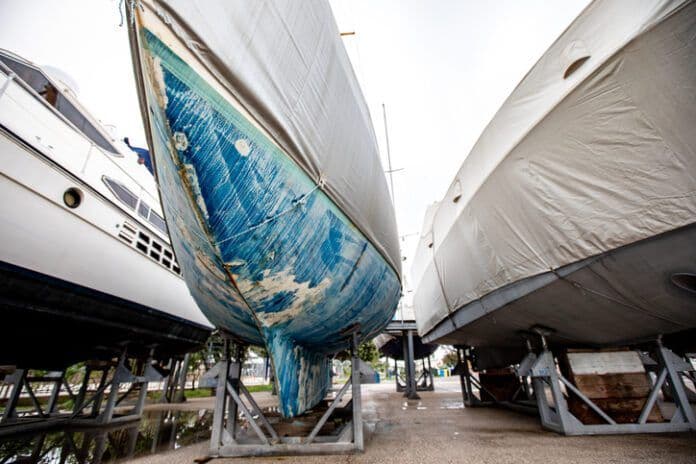
A deck core that has gone soft or chainplates that have started to move can hide beneath a used sailboat that looks ready for a weekend sail. The cheapest inspection is the one you do before the deposit, when the red flags are still visible and the haul-out bill is still avoidable.
Start with the structure, not the shine
The first pass should read like an owner’s reality check: decks, cabin top, chainplates, keel bolts, rudder, transom, bulkheads, and every high-load piece of hardware need attention before you get distracted by cushions or varnish. Practical Sailor’s pre-buy guidance and its related rig and chainplate pieces focus on the load path first, because that is where expensive trouble lives.
Look for soft spots around the mast step, stanchion bases, track fasteners, winches, and other deck penetrations. If those areas feel spongy or show cracked sealant, staining, or movement, you are not looking at a cosmetic fix. You are looking at a likely negotiation point, a request for a haul-out, or a clean walk-away if the problem is widespread.
Use a moisture meter as a clue, not a verdict
A moisture meter is useful, but only when it is paired with visual inspection and tapping or sounding. The meter can help you locate possible water intrusion in cored laminate, but it cannot tell you whether the wet reading comes from a structural problem, an old leak around deck hardware, or construction quirks and trapped moisture. That distinction matters, because a buyer who treats a number as proof of damage can miss the real story in the deck.
The practical move is to use the meter to map suspicious areas, then confirm with your hands and ears. Around stanchion bases, track fasteners, and winches, a wet reading plus softness or dull-sounding laminate points toward core compromise. A reading with no softness and no visible hardware issue may be a caution flag, not a disaster; a broad pattern of wetness with obvious flex is the kind of problem that usually pushes the decision toward survey time or walking away.
Treat chainplates and standing rigging as safety equipment
Chainplates deserve top billing because they carry rig loads and can be expensive to repair. Practical Sailor’s chainplate article covers what surveyors look for, which brands are vulnerable, and how much repairs might cost before you buy or cruise. That means checking for movement, discoloration around deck penetrations, and signs that water has been living in the hardware path.
Standing rigging deserves the same hard look. Its age and condition are not background details, they are safety-critical and often costly to replace even when the rest of the boat looks clean. Some surveyors and insurers may want evidence that standing rigging has been replaced on older sailboats before they approve coverage or complete a survey, so a boat with unknown rig age is not just a maintenance project, it can become a financing or insurance problem.
A 2023 Yacht Hunters episode with surveyor Jim Dias treated steering, lifelines, standing rigging, and other inspection points in the same frame.
Check the underwater structure before the romance takes over
Below the waterline, the money traps tend to be obvious once you know where to look. Damaged keel attachments, corrosion around keel hardware, signs of collision or grounding, and delamination around the rudder all point toward expensive work that can easily outrun the value of the boat. If the keel area shows corrosion or evidence of impact, do not talk yourself into a bargain before you know what the repair path looks like.
The National Sailing Centre of Canada’s used-sailboat guidance warns that the risk of buying a used-boat “disaster is very real.” It points to osmotic blistering and rotten wood core as examples of major repairs that can get very expensive, which is why hull blistering and core rot belong on your first-pass checklist.
Open the engine space and inspect for neglect
A boat can be spotless on deck and still fail the basic test below. In the engine space, look for oily leaks, cracked mounts, broken stringers, neglected cooling systems, and signs that access has been made difficult by previous repairs. Those are not just engine-room annoyances. They are proof that the boat has been maintained in a way that will make future work harder and costlier.
The engine does not need to be pristine, but it does need to look serviceable. If you cannot get to obvious service points, if the cooling system looks ignored, or if the mounts and stringers show damage, that boat has probably been living on borrowed time. In a pre-buy screen, a neglected engine space is often the fastest route from “maybe” to “not worth the project.”
Watch for owner shortcuts in the details
The small stuff tells on the big stuff. Corroded fasteners, sealant slathered over unknown problems, awkward access created by previous repairs, and hardware that looks mismatched or repeatedly disturbed all suggest a boat that has been kept going rather than cared for. When those clues show up alongside wet core, aging rigging, or chainplate concern, the listing stops being a candidate and starts looking like a trap.
This is where a smart DIY screen saves real money. Port Credit Marine Surveys says buyers often end up paying for multiple surveys on boats that had obvious issues a simple pre-survey inspection could have weeded out, and the firm says, “Too often we do multiple surveys for the same buyer after finding major issues with the boats they had chosen. We always feel a little guilty taking someone's hard earned money when with a little bit of guidance they could have weeded out the obvious junk themselves.”
Know when to stop and call in the surveyor
A DIY inspection is not a substitute for a proper survey, but it is a very good filter. If the boat passes the visual screen, the meter work, the rig and chainplate check, and the engine-room look, then the professional survey money is being spent on a boat worth pursuing. If it fails on structure, rig age, keel hardware, or evidence of neglect, you have already done the most valuable part of the job: you found the expensive deal-breaker before it became your problem.
This article was produced by Prism’s automated news system from verified source data, official records, and press releases, then run through automated quality and moderation checks before publishing. The system is built and supervised by the people who set the standards it runs under. Read our full AI policy.
Did this article answer your question?