How to install a hatch without damaging a cored deck
The cheapest hatch install mistake is leaving cored deck material exposed. Cut cleanly, remove core around the opening, and seal it before the rot repair bill arrives.
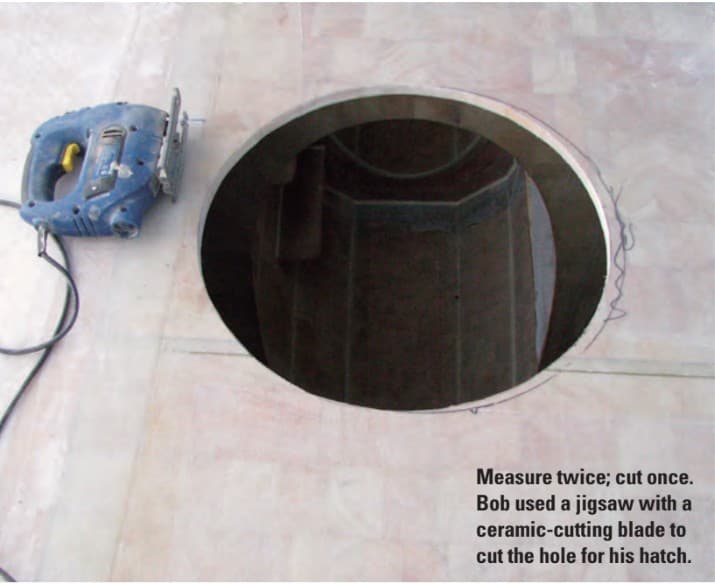
The expensive part of a hatch install is rarely the hatch itself. On a cored deck, the real cost shows up later, when a neat-looking opening becomes a water path and a small DIY job turns into a structural repair. The discipline is simple but unforgiving: cut the hole, remove the vulnerable core, and rebuild the edge so the deck stays dry and strong.
Why a small opening can become a big repair
The caution lands hard because it applies to so many boats. The example here comes from an 11.99-meter catamaran, but the lesson reaches across the thousands of production sailboats built with cored decks and hulls. PVC foam and balsa are both common core materials, and both can perform well if they are treated correctly.
The danger is not the core itself. The danger is what happens when you cut through a good deck and leave the exposed edge unprotected. If stray balsa remains at the laminate edge, water can wick into the core later, and the result is hidden damage that may not show up until long after the hatch is bolted down. At that point, the bargain install has become the more expensive repair bill you were trying to avoid.
Cut the opening cleanly, then stop and assess
A clean cut matters, but it is only the first step. The process begins with a template, then tracing the opening so the hatch lands where it should and the cut stays true. For the actual cut, the writer uses a jigsaw fitted with a carbide blade meant for ceramic cutting, because fiberglass can destroy ordinary toothed blades quickly.
That detail is worth remembering because it shows how deck work often punishes the wrong tool choice. Fiberglass is abrasive, and a blade that might survive plywood can be chewed up before the hole is even complete. A carbide blade for ceramic gives you a tougher edge against the laminate and makes the cut more manageable on a real refit, not just in theory.
Remove the core around the cutout, not just the skin
This is where the job stops being a simple opening and becomes proper deck work. Once the hole is cut, the important step is removing the surrounding core to a controlled depth. That creates a margin of solid, sealed structure around the hatch so the fasteners are not bearing into vulnerable core material.
The piece makes the logic plain: if the hatch is installed directly against exposed core, any leak has a path inward. If the core is cleared back and replaced with epoxy mush, the edge around the opening is no longer an easy wick for water. The hatch may look like a small penetration, but on a cored boat the whole point is to restore the structure around the hole, not just close the gap.
Use the right tools to clean the perimeter
The practical value of the method is in the tool sequence. After the opening is cut, the writer describes using a grinder with a tile-cutter disc, plus a chisel and sanding disc to clean the perimeter. That combination lets you strip away the compromised core and tidy the edge where the hatch will sit.
This is not about making the job pretty for its own sake. It is about making the perimeter predictable and sound so the sealing work actually bonds to solid material. If the edge is ragged, contaminated, or still holding bits of soft core, the bedding job has to compensate for a structural flaw it should never have had to cover in the first place.
Fill the cavity before the hatch goes down
Once the surrounding core has been removed to the right depth, the cavity gets filled with epoxy mush. That step is the heart of the repair-prevention logic. Instead of leaving the fasteners and hatch edge sitting against damaged or vulnerable core, you replace that ring with a solid, sealed barrier.
That is what separates a true installation from a shortcut. The hatch fasteners need a stable, protected foundation, and the deck needs to remain dry at the cut edge. Do it once, and the opening becomes part of the structure. Skip it, and you are betting that water will never find the path you left open.
Hatch installs are only one example
The reason this lesson carries so much weight is that hatch work is just one version of a larger problem. Chainplate work and other deck penetrations create the same risk, because every hole in a cored boat is a potential leak path. The size of the opening does not decide the seriousness of the job.
That is the mindset shift this kind of refit demands. A hatch may look like a bolt-on convenience item, but on a cored deck it is a structural interruption that needs to be rebuilt correctly around the edges. The same discipline applies wherever hardware passes through a cored laminate: protect the core, seal the edge, and keep water out of places it can quietly ruin.
Do it once, not as a repair later
The appeal of the shortcut is obvious. A sailor wants the hatch installed, the deck buttoned up, and the project moving. But on a cored deck, the shortcut is often the expensive mistake, because the damage it creates can stay hidden until the next owner, the next season, or the next storm exposes it.
That is why this approach matters so much to DIY sailors doing real refit work. A template, a carbide blade, a grinder, a chisel, sanding, and epoxy mush are not glamorous tools, but they are the difference between a clean install and a future rot job. The hatch is the visible part; the real work is what you do to the deck before the hatch ever goes down.
This article was produced by Prism’s automated news system from verified source data, official records, and press releases, then run through automated quality and moderation checks before publishing. The system is built and supervised by the people who set the standards it runs under. Read our full AI policy.
Know something we missed? Have a correction or additional information?
Submit a Tip