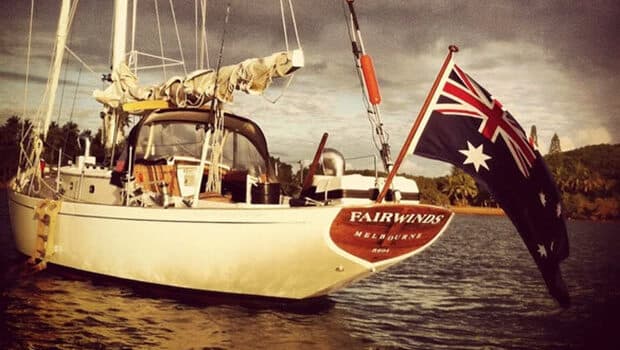
Is a free sailboat really a bargain, or a money pit?
A free sailboat is only a deal if the first 30 minutes clear the hull, rig, engine, and paperwork. Miss those gates, and you inherit a project boat.
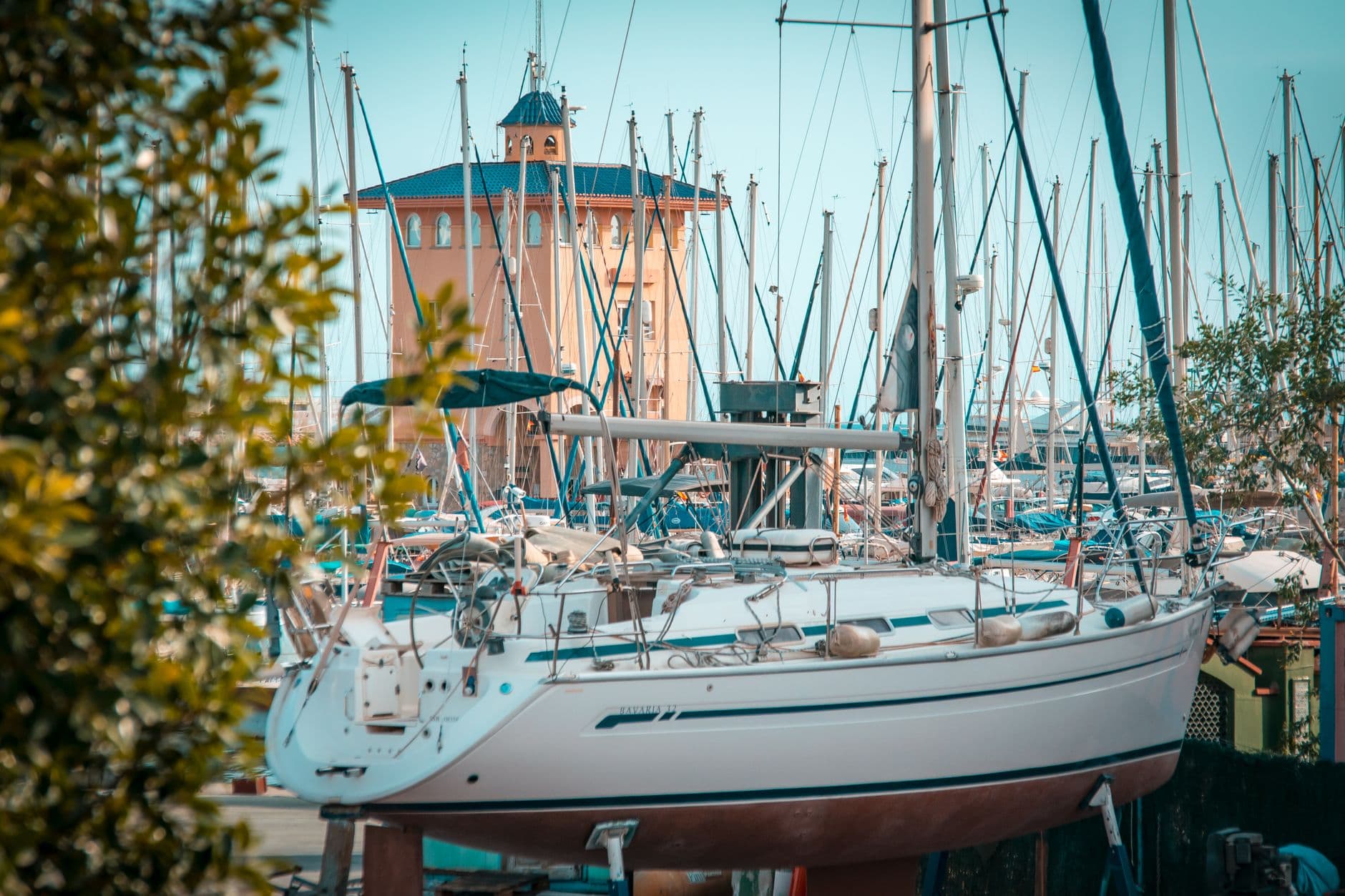
Go-no-go checklist for the first 30 minutes
The first 30 minutes tell you almost everything. A free sailboat only looks like a deal until you put a flashlight on the hull, shake the steering, inspect the rig, and ask whether the engine and systems are hiding a refit you never meant to buy.
Use the opening pass as triage, not romance. If any of these turn ugly, the boat is probably a pass:
- Structural soundness: look hard at the hull, deck, rudder, and steering gear.
- Water damage: check for blisters, cracks, corrosion, and signs of moisture intrusion.
- Rigging: inspect standing and running rigging before you daydream about sail plans.
- Engine: assume it may be the single most expensive piece of gear onboard until proven otherwise.
- Paperwork and trailer: if the boat comes with either, make sure they are part of the deal, not extra complications waiting to happen.
- Use case: decide whether the boat still fits the kind of sailing you actually want to do.
If those basics fail, “free” is not the right word. The right word is liability.
Why the free-boat question keeps catching sailors out
A YouTube video published on May 23, 2026, asks the exact question that traps a lot of budget-minded sailors: is a free sailboat really a bargain, or just the first bill in a long refit? The appeal is obvious, especially for anyone drawn to cheap sailboats, trailer sailers, old sailboats, DIY boat repair, sailboat refits, pocket cruisers, small cruising boats, and boat projects.
That framing matters because it puts the decision where it belongs, at the beginning. A lot of owners get attached after the tow home or the first cleanup day, long before they know whether the hull deserves the work. The smarter move is colder and cheaper: judge the boat before you adopt it.
The hard gates are structural, not cosmetic
The first real test is whether the hull, deck, rudder, and steering are fundamentally sound. A tired finish, dirty bilges, and faded gelcoat are noise. Structural weakness, water intrusion, or steering trouble are the problems that turn a weekend project into a years-long rescue.
The video’s underlying logic is simple and sound: a careful owner can usually spot the biggest gates without a sailmaker, yard crew, or big budget. If the boat has major issues in the structure or does not match the intended use, it is no bargain no matter how cheap the asking price was. That is especially true with pocket cruisers and small cruising boats, where every repair has to pull its weight against limited space and limited dollars.
Let the survey culture do some of the work for you
The American Boat & Yacht Council says marine surveyors are supposed to be “impartial and unbiased,” and that a pre-purchase survey is a comprehensive condition-and-valuation review that often includes operational testing and a sea trial. That is exactly the mindset you want on a free boat. The point is not to get reassured. The point is to get the truth.

BoatUS gives the same advice in plainer language: evaluate the boat before you buy, inspect hull blisters, cracks, corrosion, steering systems, running and standing rigging, and sea-trial the boat. BoatUS also warns that its checklist is not a substitute for a competent marine surveyor and marine engine mechanic. In practice, that means your first inspection should be a filter. It is the moment you decide whether the boat deserves a professional look, or whether it deserves a hard no.
The engine can erase the savings fast
Practical Sailor’s used-boat guidance puts special emphasis on the engine because it is often the single most expensive piece of gear onboard. That is the line item that quietly destroys the fantasy of a cheap rescue. Oil, coolant, corrosion, and water intrusion are not cosmetic issues when they point to a motor that has been neglected for years.
This is where free boats become deceptive. A hull that looks salvageable can still be a poor buy if the engine is tired, seized, or contaminated. Once mechanical work joins rigging work and structural work, the savings vanish quickly. A boat that costs nothing up front can still cost more than a sound used boat that was priced honestly from the start.
The wooden-rot warning is not theoretical
Practical Boat Owner’s October 15, 2024 story about Richard Rogers and his “free” yacht shows how fast the fantasy collapses. In that case, nearly everything wooden was rotten, the engine needed replacing, and the hull-deck joint had to be re-sealed before the boat could even reach the starting line. That is the phrase worth remembering: substantial time and money were required just to get to “the starting line.”
That example is the whole trap in one boat. The project was not expensive because it was glamorous. It was expensive because deferred maintenance had spread through the parts that matter most. Once you are replacing rotten wood, fixing the engine, and reworking the hull-deck joint, you are no longer “saving” a boat. You are funding the resurrection of someone else’s abandonware.
Budget against reality, not against the word free
The cleanest way to think about a free sailboat is this: compare the likely repair stack with the cost of a comparable boat that is already sailing. If the free hull needs engine work, structural repair, rigging, moisture remediation, and paperwork cleanup, it may be more expensive than a boat with an asking price. That is especially true when surveyor-level findings start pointing to hidden systems costs rather than one obvious fix.
A useful rule of thumb comes straight out of the inspection logic used by ABYC, BoatUS, and Practical Sailor. If the boat cannot pass the early structural check, if the engine looks like a money pit, or if the boat’s design no longer matches your intended use, walk away. A free sailboat becomes a bargain only when the flashlight says the hull is honest, the systems are serviceable, and the numbers still make sense after the first hard look.
That is the real lesson behind the free-boat question. The cheapest boat is not the one with the lowest price tag. It is the one that survives the first 30 minutes without asking you to finance a rescue you never wanted.
This article was produced by Prism’s automated news system from verified source data, official records, and press releases, then run through automated quality and moderation checks before publishing. The system is built and supervised by the people who set the standards it runs under. Read our full AI policy.
Did this article answer your question?