Lewmar HTX upstand block targets smoother cruising deck line routing
Lewmar’s HTX upstand block is built for loaded lines that need a cleaner turn, less chafe, and tighter deck organization. It pays off on cockpit and mast-base leads, not every light-duty run.

The Lewmar HTX upstand block is aimed at the exact moment a cruising deck starts to feel messy: the turning point that chafes, the line that fights you, and the refit that leaves too many awkward lead angles. Its pitch is not race-only speed, but a smoother, lower-friction path for heavily used lines that still need to work on a real cruising boat.
Why the upstand format matters
The upstand mounting is the whole point. Instead of sitting inline like a simple turning block, it stands the lead up perpendicular to the deck, which helps the line change direction more cleanly and reduces the need for extra swivel hardware. On a crowded coachroof or cockpit coaming, that can mean fewer hard bends, less chafe, and less clutter around a lead that already does enough work.
That makes the HTX upstand block a practical choice when you are replacing aging turning points or re-routing a line after a failure. If the old lead has been rubbing a cleat, a shackle, or another fitting, the block is doing more than replacing a worn part. It is rethinking the path so the load takes a cleaner exit off the deck.
What Lewmar built HTX to do
Lewmar says HTX blocks are intended for “frequently adjusted, highly loaded systems using modern line technology and reduced line diameters.” That description places them squarely in the zone where cruising and performance sailing overlap, especially on boats where control lines get handled constantly but still have to survive serious load.
Lewmar lists HTX blocks for control-block, halyard, spinnaker, backstay tensioner, and boom-vang applications. It also lists mast-base and general control-block use, plus main-sheet and mid-boom work.
The 60mm HTX single block carries a working load limit of 1,100 kg, or 2,422 lb, and weighs 215 g, or 7.5 oz. Lewmar also lists related 60mm versions, including a single and becket at the same working load limit and 226 g, and a 60mm web single at the same load limit but 710 g.

Where the payoff is real
The HTX upstand block makes the most sense where a line has to change direction under load and stay organized while doing it. That includes:
- cockpit control leads that need a clean return path
- mast-base and general control blocks
- traveler leads that see frequent trimming
- backstay tensioners that are adjusted under load
- spinnaker sheet, guy, and downhaul systems
- boom-vang runs and other high-use deck controls
In those jobs, the value is not just lower friction. It is cleaner deck layout, fewer snag points, and a lead that behaves predictably when you are trimming fast or reefing in bad conditions. If you are trying to reduce the number of holes and fittings on deck while still keeping the system strong, the upstand format helps the geometry work in your favor.
Lewmar says HTX efficiency improves above 450 kg because the acetal sheaves become self-lubricating at that point.
How it stacks up against the usual alternatives
In MAURIPRO’s comparison, Harken Carbo blocks are the better pick for pure friction reduction. Ronstan leans toward corrosion resistance. Schaefer is the rugged, serviceable bluewater option.
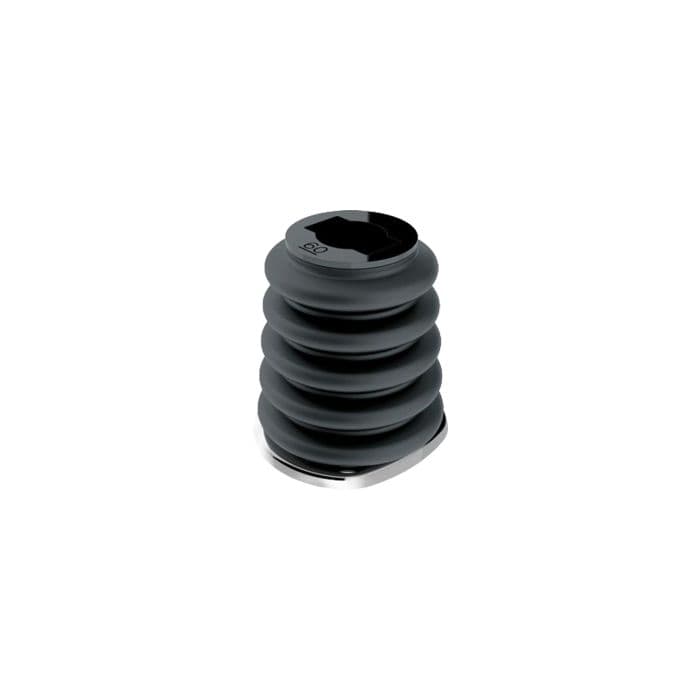
Lewmar HTX lands in the middle. It is lighter and more modern than traditional stainless or aluminum alternatives, but less specialized than race-only hardware.
West Marine describes HTX as Lewmar’s answer to the racer-cruiser market, with racing-type performance without Grand Prix pricing.
The buying test for a DIY refit
Before you choose the upstand block, match the hardware to the load path. Lewmar’s selection guide says loads should be obtained from the designer and matched to the safe working load of the hardware. If the lead only sees occasional use or low load, a simpler cruising block may be enough.
If the line is part of a frequently adjusted system, the HTX family starts to make more sense. Defender lists the 72mm HTX block as compatible with line up to 14 mm, with a safe working load of 2,000 kg, or about 4,400 lb, and a locking swivel-head design derived from Lewmar’s racing range. The locking swivel head uses a grub screw and a 2 mm Allen key, a small but useful detail when you are planning maintenance access.
Lewmar publishes 50mm, 60mm, 72mm, and 90mm HTX sizes, along with single, becket, fiddle, cam, web, and traveler components.
This article was produced by Prism’s automated news system from verified source data, official records, and press releases, then run through automated quality and moderation checks before publishing. The system is built and supervised by the people who set the standards it runs under. Read our full AI policy.
Did this article answer your question?