Light-air sailing, better decisions when wind is soft
Soft wind does not have to mean the engine comes on. The smarter call depends on current, sea room, battery state, schedule pressure, fuel reserve, crew patience, and safety margin.
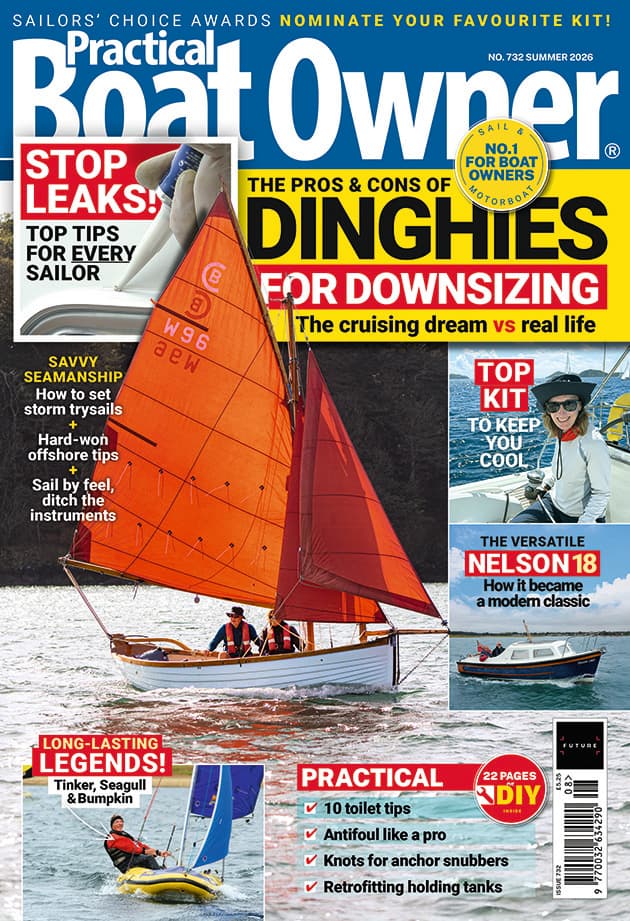
A light-air day can tempt you into the fastest habit on board: start the engine and get it over with. John Simpson’s latest seamanship column argues for a different cockpit decision, one that treats soft wind as a judgment test rather than a failure of the forecast. If you are not racing the clock, the better move may be to stay under sail, shorten the plan, and make the boat work with the weather instead of against it.
Read the day before you reach for the key
The first question is not whether the wind is weak. It is whether the passage still makes sense under sail. If the trip is not time-critical, a light-air day can reward patience: linger over breakfast or lunch, wait for the breeze to settle, and pick a destination close enough to shore that you can stay in usable air and tide for the whole run. That is seamanship, not indecision. It is also the kind of call that keeps the boat moving and the crew engaged instead of turning every quiet patch into a motor-sailing reflex.
The rhythm of the day matters as much as the raw wind speed. Simpson points out that mornings are often ruled by a land breeze, then later replaced by a sea breeze. That lines up with NOAA’s explanation of coastal circulation: land heats and cools faster than water, so the pressure difference can pull air onshore during the day, while land breezes blow offshore at night. Britannica describes the same pattern as a local coastal wind system that alternates with land breezes when the large-scale weather is weak. In practice, that means timing can be worth more than brute force. A boat leaving too early may spend its best hours fighting the wrong breeze.
Make tide and current part of the go or no-go call
When the wind drops, tide becomes a much bigger part of the equation. A small mistake in current management can erase careful trimming, good helming, and every bit of gained boat speed. NOAA says accurate tide and current data matter for navigation and safety, and current information is built into coastal forecasts for that reason. When you are barely making progress, the water itself stops being background and starts becoming one of the main forces on the boat.
World Sailing’s coaching material makes the tactical point bluntly: in light winds, strong currents can become especially important. Its 2023 Scheveningen preview noted current there can run at 2.5 knots or more, enough to overwhelm boats in light air if you are late, careless, or pointed the wrong way. That is the kind of number that changes the whole route plan. If the tide is against you, shortening the passage or delaying departure may be smarter than trying to muscle through a foul lane underpowered.

A useful cockpit filter is simple:
- Current: Is it helping, neutral, or washing away boat speed?
- Sea room: Can you afford to sail a wider, more efficient line without getting boxed in?
- Battery state: Do you have enough electrical reserve to skip charging now, or are you already low?
- Schedule pressure: Are you cruising, or do you truly need to be somewhere by a fixed hour?
- Fuel reserve: Is the tank full enough that using the engine would be a choice, not a necessity?
- Crew patience: Is the team still focused, or is the boat turning into a slow-motion morale test?
- Safety margin: Do you have enough daylight, visibility, and fallback options to keep sailing confidently?
If several of those answers point the same way, the decision gets easier. Soft wind is not automatically an engine problem; sometimes it is a route-planning problem.
Trim for draft, not flatness
Once you decide to sail, the setup matters more than usual. Simpson’s advice is practical and easy to test: leave halyards, outhaul, and kicking strap a little looser so the sails carry more draft. In light air, a sail that is too flat can look tidy and still fail to drive the boat. A little extra shape helps the sail breathe and keeps the boat from stalling.
Crew movement matters too. Put crew weight to leeward so the boat heels enough to help the sails fill, and move around slowly so you do not bleed momentum. In light airs, every sudden step, rushed tack, or over-correction costs speed that is hard to get back. That is why smooth handling becomes a performance tool, not just good manners.
The RYA’s cruising sail-trim guidance backs up the broader point: a well-trimmed cruising yacht is better balanced, easier to handle, and more comfortable. Its training materials also stress that cruising sailors can learn to manoeuvre a yacht under sail in light winds. That is exactly the skill set light-air days reward. You are not trying to force the boat into a heavy-wind shape; you are trying to keep it balanced, alive, and easy to steer.
Choose the right sail plan for the point of sail
Light airs do not mean one rig works everywhere. Simpson notes that light-wind sails such as spinnakers or cruising chutes can be the right answer, even on beam reaches. The RYA’s points-of-sail guidance adds that on a run you may goosewing or use a spinnaker to optimize speed. The aim is not to look clever. It is to present the sail plan that gives the boat the best chance of keeping flow attached and momentum intact.
That matters because the slowest part of light-air sailing is often the recovery after a mistake. A sloppy tack or a half-hearted sail change can cost more than the sail itself gains. When the boat is already moving slowly, every lost knot is expensive. You want clean maneuvers, early decisions, and the right canvas up before the boat settles into a dead patch.
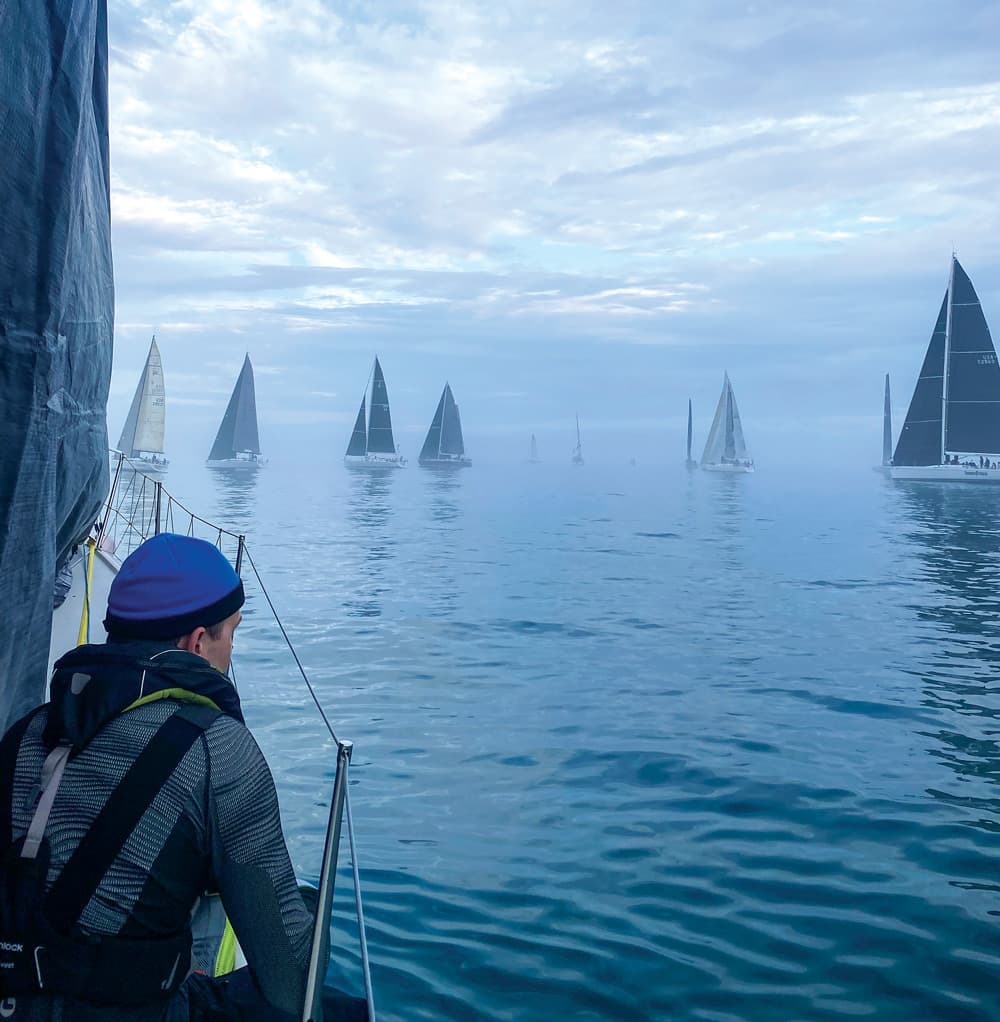
There is also a bigger seamanship lesson here. Light-air sailing rewards anticipation. Watch ahead for holes, shifts, and shoreline effects. Keep the boat in usable air and tide. Accept that a slightly odd line may be the fastest one if it preserves flow. That is the kind of judgment the engine can hide, and the kind of judgment you lose if you motor through every lull.
Practical Boat Owner, first published in 1967, has long built its reputation on seamanship and maintenance advice, which is part of why this kind of column still lands. The message is not that the engine is wrong. It is that soft wind should trigger a decision, not an autopilot response. If you read the breeze, respect the current, and keep the boat moving with care, a light-air day can become one of the clearest seamanship tests you get all season.
This article was produced by Prism’s automated news system from verified source data, official records, and press releases, then run through automated quality and moderation checks before publishing. The system is built and supervised by the people who set the standards it runs under. Read our full AI policy.
Know something we missed? Have a correction or additional information?
Submit a Tip