DIY yacht bottom painting series covers primer, antifouling and osmosis prevention
A bottom job is won or lost before the paint goes on. Strip, repair blisters, barrier-coat bare glass, then pick the right antifouling or pay for the redo.
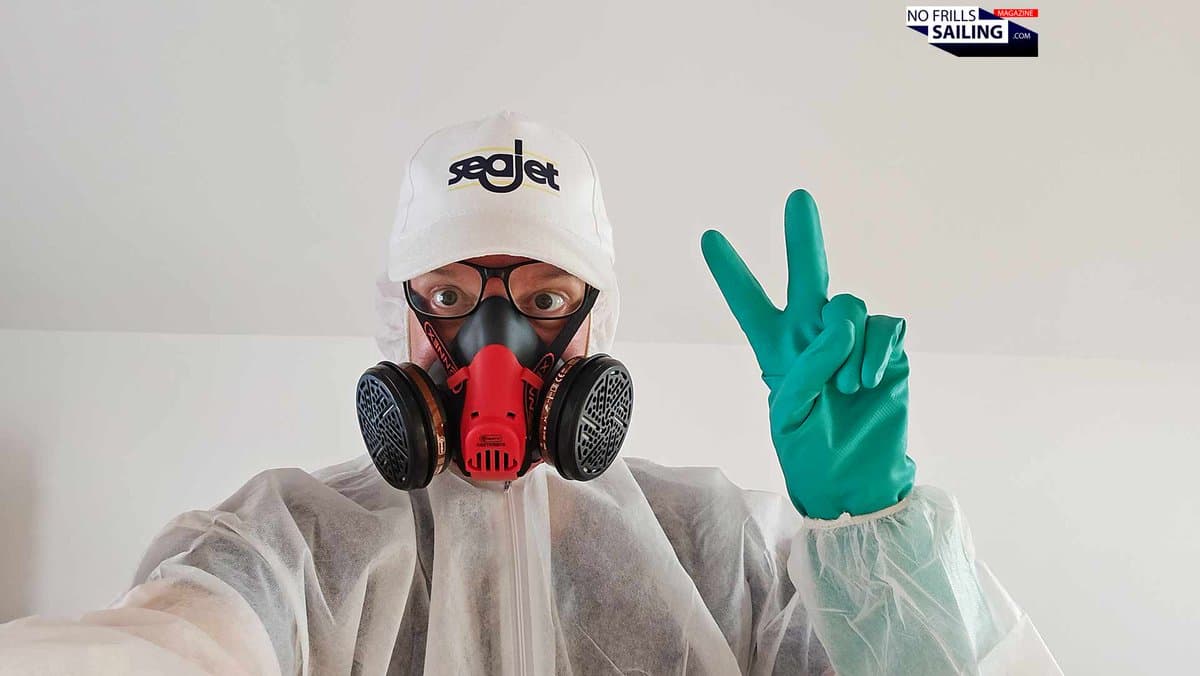
If you roll antifouling over a blistered fiberglass hull, you are not protecting the boat, you are sealing in trouble. The real work happens first: haul out, inspect, fix the damage, and only then build the coating stack that keeps water out and growth off. That is the practical lesson running through NO FRILLS SAILING’s DIY bottom-paint series, and it is the part that saves money only when you do it in the right order.
Start with the hull, not the roller
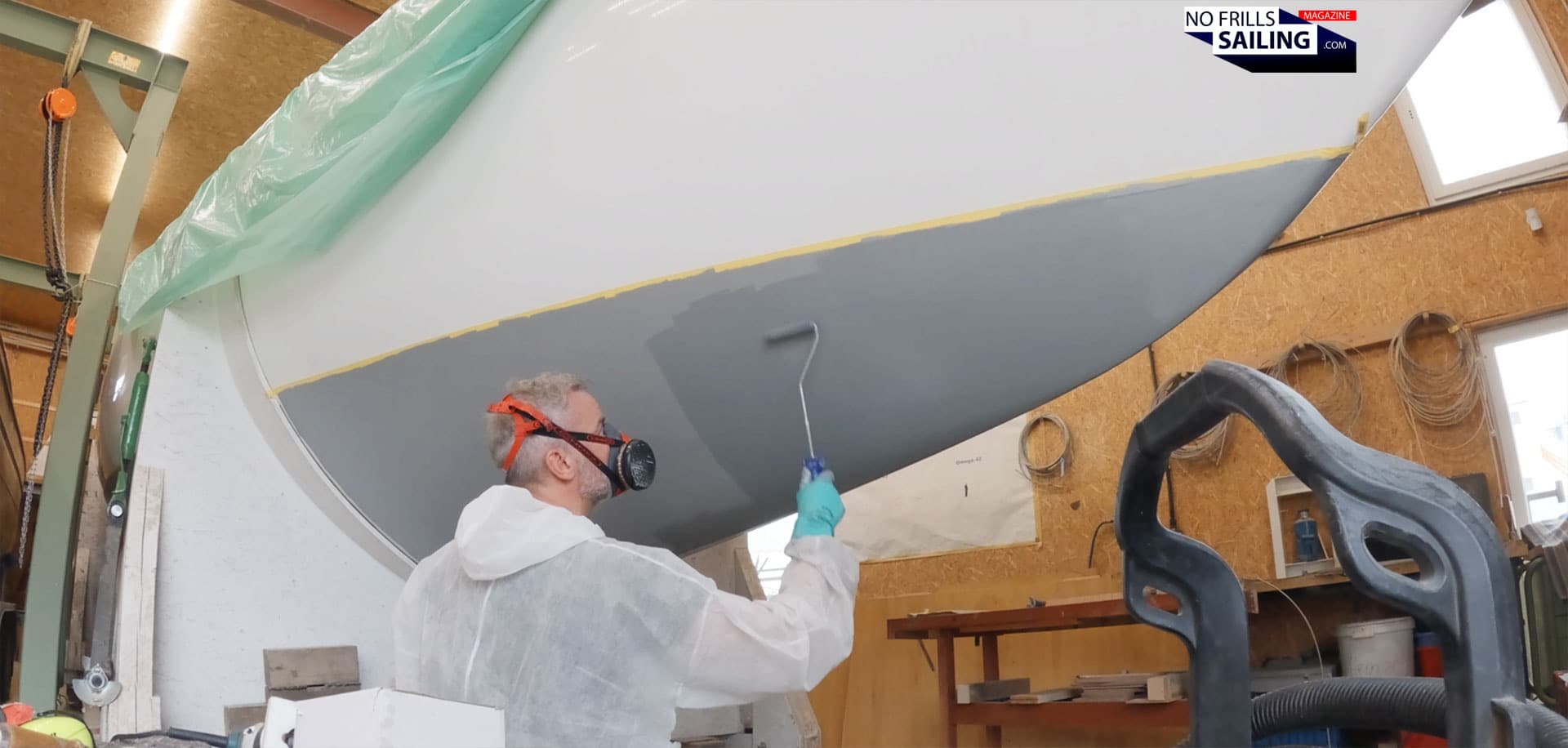
The series treats bottom painting as a refit job, not a Saturday touch-up. It starts with material collection, moves into epoxy primer work, and finishes with antifouling, because the finish only lasts if the prep is sound. That sequence matters even more on fiberglass, where West Marine says barrier coats are epoxy layers used to prevent water absorption and osmotic blistering.
Here is the order that keeps you from doing the job twice:
1. Inspect the hull and identify blistering, old buildup, and damaged spots.
2. Repair any blistered fiberglass before coating.
3. Apply a barrier coat to bare hull where needed.
4. Finish with antifouling paint matched to the hull and the label instructions.
The biggest mistake is trying to paint over active blisters. West Marine is blunt on that point: if you coat over them, you trap acidic blister fluid and do nothing to stop the blistering from continuing. If the hull needs a barrier coat, it belongs on the bare hull, underneath all other bottom coatings.
When to strip, when to spot-prime, when to barrier-coat
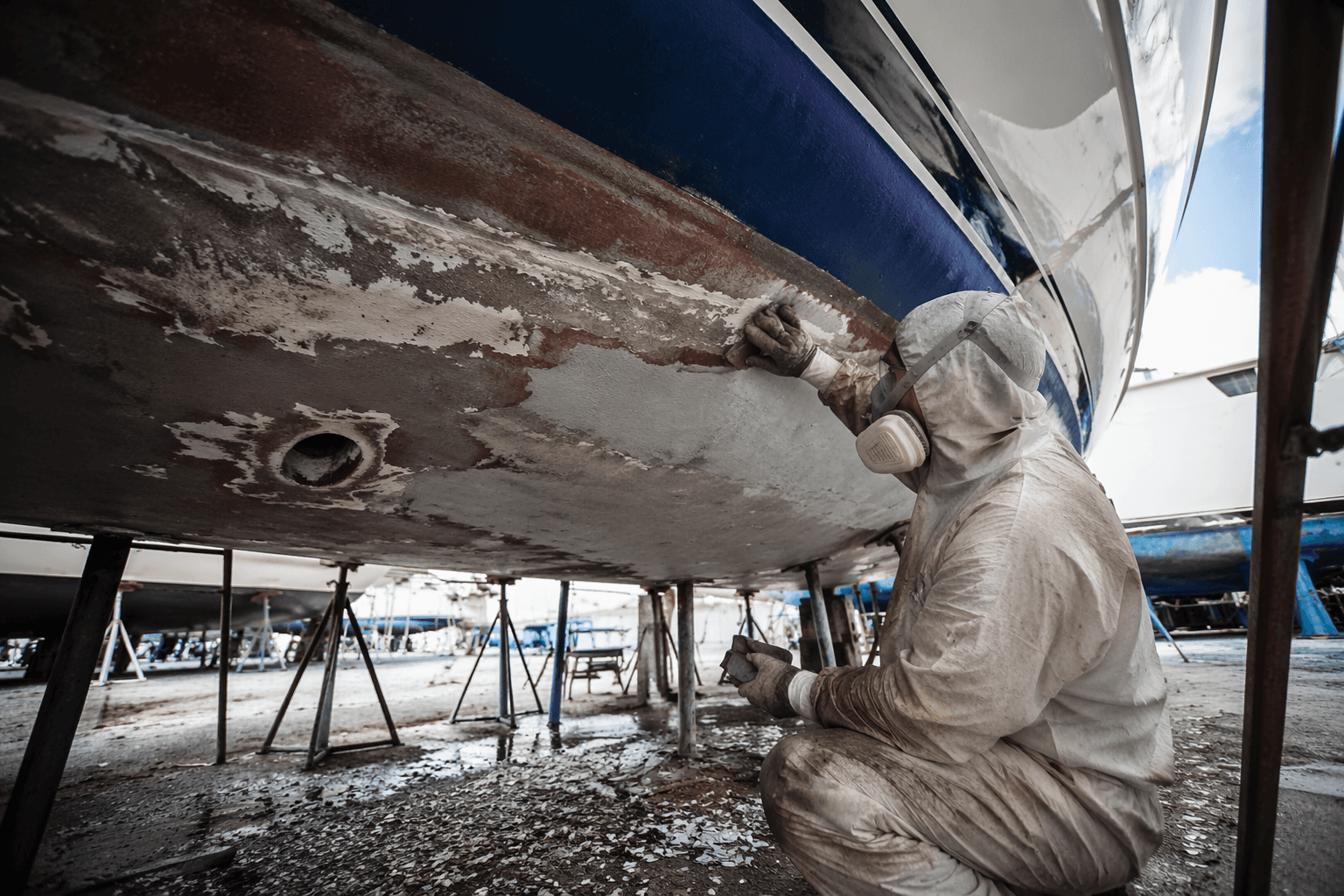
Strip when the hull needs to go back to a bare, trustworthy base, especially if you are dealing with blistered fiberglass. That is the point where patchwork gets expensive if you skip it, because the new finish is only as good as what is underneath. If you are looking at a sound surface with only localized wear, spot-priming and recoating can make sense, but only within the product’s label instructions and only after the hull is clean and properly prepared.
Barrier coat is the move for fiberglass hulls when the goal is osmotic blister prevention. West Marine frames it as an epoxy layer that blocks water absorption, which makes it the right answer when you are trying to stop the hull from taking on water through the laminate. It is not a cosmetic step. It is a structural insurance policy for the part of the boat that lives in the water.
If you are dealing with metal, the decision path changes. EPA product labels commonly allow use on fiberglass, wood, and properly primed metal hulls, but some products specifically exclude aluminum. That means the can is not optional reading. The label tells you where the coating belongs, how it should be applied, and whether the job is even legal.
Choose the antifouling system for the boat, not the brochure
West Marine says the big call in DIY bottom painting is between ablative and hard paint, and surface prep is just as central to durability as the product choice itself. For a boat kept in the water long-term, antifouling generally needs to be renewed every 1 to 3 years depending on paint type. That is the maintenance clock you are working against, whether you like it or not.
Some coatings are built to reduce buildup rather than pile on more of it. An EPA label for VC 17M notes that it goes on much thinner than traditional antifouling paint and can reduce film buildup. That matters on boats where every layer adds sanding time later. By contrast, a product like Pettit Vivid comes with environmental and performance caveats spelled out right on the label: extreme temperatures, silt, dirt, oil, brackish water, and electrolysis can ruin the finish.
That is why a good bottom job is not just about the brand name. It is about matching the coating system to the water you sail in, the hull material you own, and the maintenance cycle you are willing to live with.
The copper question is no longer theoretical
NOAA Sea Grant says copper in many antifouling paints can contribute to contamination in coastal waters. It also points sailors toward nontoxic alternatives such as frequent hull cleaning and nontoxic bottom coatings. Those options are not just for one owner at one dock. NOAA says the choice matters for boat owners, repair yards, marinas, yacht clubs, and harbor managers.
The policy pressure is real. NOAA has reported that some European countries had already restricted copper-based bottom paints for pleasure craft, and it has also tied excessive dissolved copper in some harbors to the slow leaching of antifouling paint. In Southern California, that concern was serious enough to prompt a NOAA-linked study on what a copper phaseout might cost. The estimate was about $20 million above usual maintenance costs over seven years for 7,342 recreational boats kept in San Diego Bay in summer 2002.

That number explains why this transition is slow. Copper coatings have been the default for a long time because they work, but they also create a downstream bill for everyone sharing the water.
Where DIY saves money, and where it gets expensive fast
DIY bottom painting saves real money when you do the labor yourself and respect the system. The savings disappear the moment you skip hull prep, ignore the label, or paint over a damaged surface that should have been repaired first. That is when a cheap haul-out turns into a costly redo.
The hard truth is that surface condition drives everything. Weather, silt, dirt, oil, brackish water, and electrolysis can all wreck performance, so inspection is not busywork. It is the step that decides whether the new coating protects the hull or just hides a problem for one more season.
That is the practical arc of the whole job: collect the right materials, repair the hull honestly, build the epoxy layer where it belongs, and choose an antifouling system that fits both the boat and the water. Get that sequence right, and the finish does its job. Get it wrong, and the next haul-out becomes a cleanup operation.
This article was produced by Prism’s automated news system from verified source data, official records, and press releases, then run through automated quality and moderation checks before publishing. The system is built and supervised by the people who set the standards it runs under. Read our full AI policy.
Know something we missed? Have a correction or additional information?
Submit a Tip