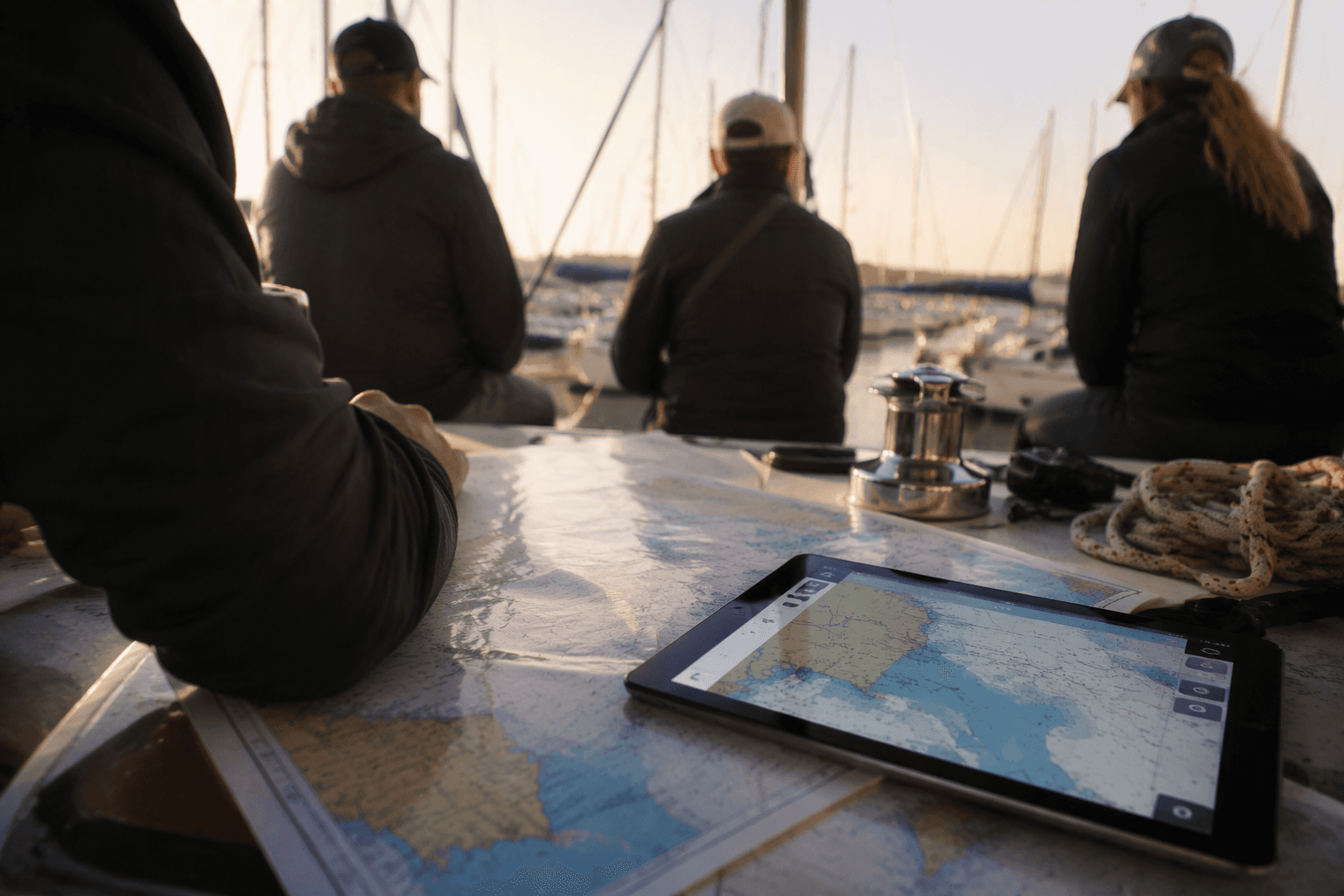
Maine’s new training ship blends seamanship with digital systems
Maine’s $330 million, 525-foot State of Maine shows which training-ship tech is worth copying on a cruising boat: better awareness, monitoring, and redundancy.

A hot shore-power inlet or a dying battery bank does not give you much time to think. Maine’s new training ship, the State of Maine, is built around that kind of pressure: a $330 million, 525-foot vessel where seamanship and digital systems are taught together, because the modern fleet rewards crews who can read the sea and the screens at the same time.
What the State of Maine is really teaching
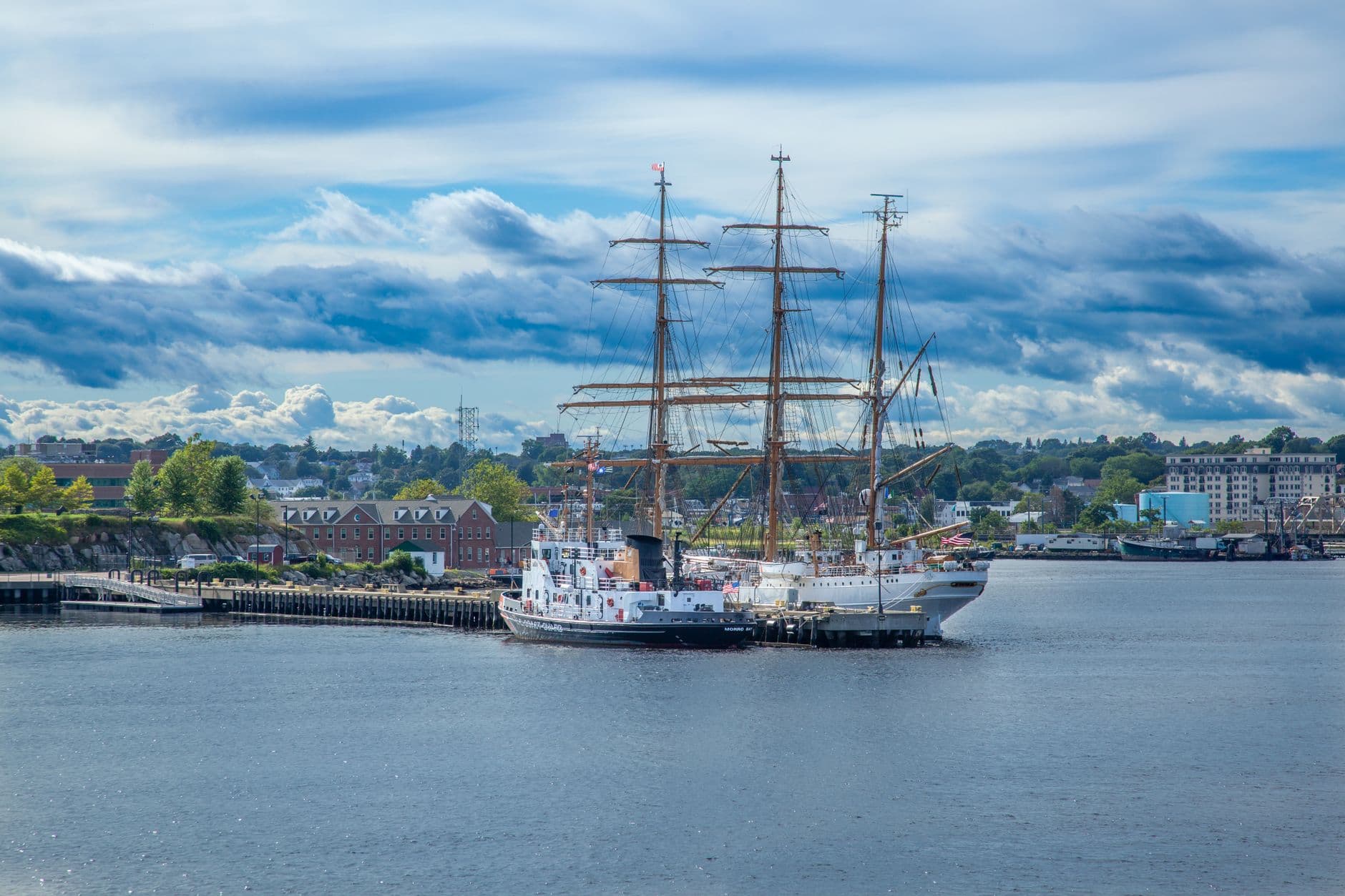
The ship was built in Philadelphia by Hanwha Philly Shipyard and sits inside a broader federal training push, not just a campus upgrade. Maine Maritime Academy says the State of Maine is the third of five National Security Multi-Mission Vessels built for the U.S. Department of Transportation’s Maritime Administration, and the academy says the NSMV program ushered in a new era in maritime training.
That matters for small-boat owners because the lesson is not the ship’s size, it is the mix of skills. Students still have to learn watchkeeping, weather awareness, vessel handling, maintenance routines, and emergency response, but they do it alongside advanced electronics, digital navigation aids, and more sophisticated safety and control systems. On a cruising boat, that same blend is what keeps a tired crew from missing a squall line, a charging fault, or a system failure that starts small and becomes expensive offshore.
The tech worth copying on a cruising boat
For a coastal boat or a modest cruising rig, the most useful part of this model is not the institutional scale, it is the discipline of putting information where the helmsman can use it. Digital navigation aids, onboard systems monitoring, and integrated alarms all earn their place when they shorten the gap between a fault and a response. If a display helps you see that the engine is running hot, the house bank is sagging, or the bilge pump is cycling more than it should, it is doing real work.
The same goes for situational awareness. A training vessel that combines seamanship with modern electronics is a reminder that paper charts and eyeballs are not being replaced, they are being reinforced. On your own boat, the practical version is straightforward: use the electronics to help you notice a change early, then lean on the seamanship to decide whether to alter course, slow down, or fix the problem before it spreads.
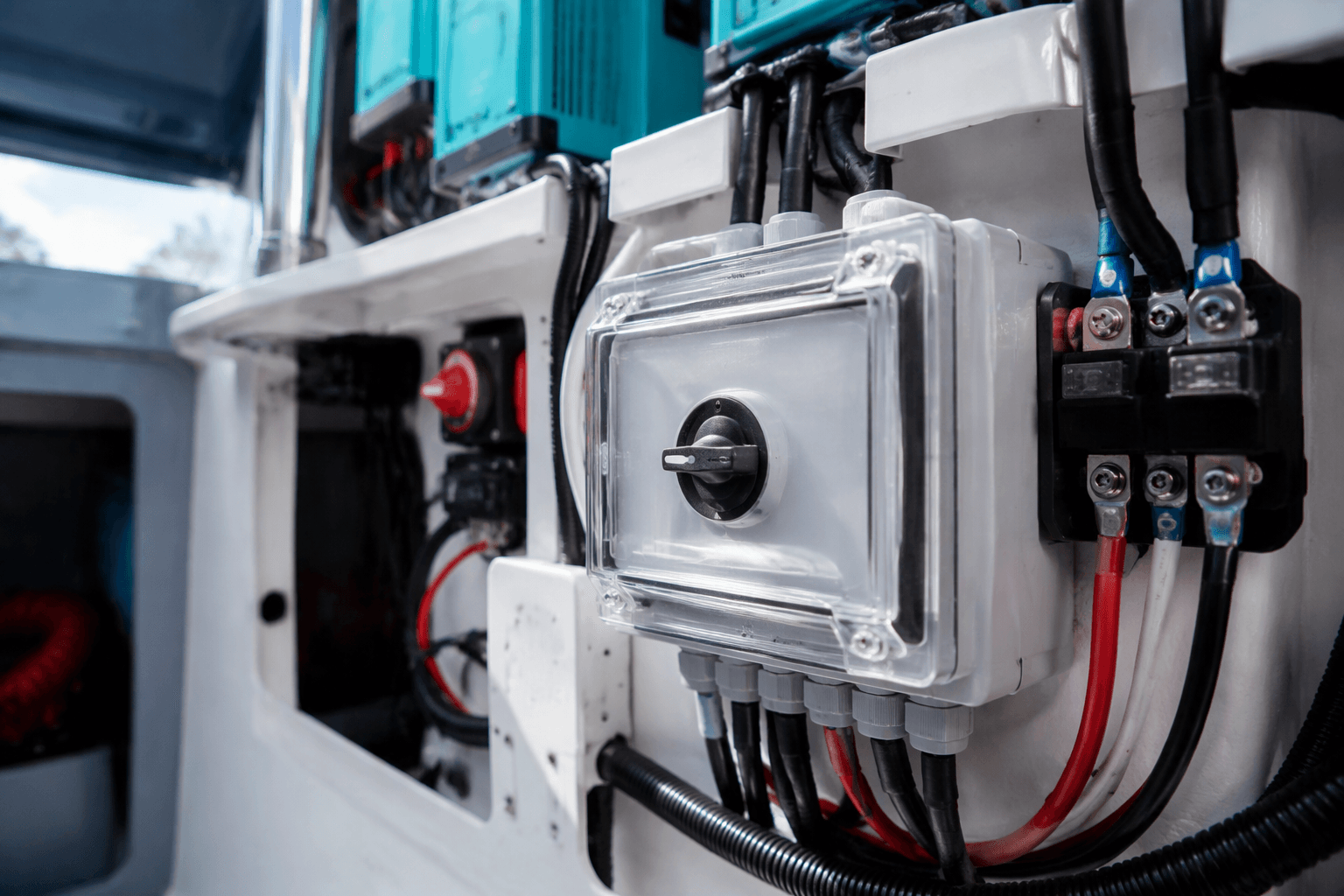
That is where the practical DIY value lives. Mechanical competence still matters, but electronics literacy is now part of the same job. The boat owner who understands how the charging system, navigation gear, alarms, and control circuits talk to each other is the owner who is least likely to be surprised by a dead display, a silent bilge alarm, or a system that fails the minute conditions get lumpy.
Where the training-ship model stops being DIY-friendly
The State of Maine also shows what does not translate. This is a 525-foot ship that can accommodate 600 cadets and, in times of humanitarian need, up to 1,000 people. Maine Maritime Academy says the vessel can also carry more than 600 cadets, which is the kind of scale that demands purpose-built infrastructure, specialized staffing, and a shore side that can handle the load.
News Center Maine noted that a new $105 million pier was completed to accommodate the ship, which is a useful reminder that not every upgrade belongs in a small-boat budget. Most sailors do not need port-level buildouts, but the principle behind them still applies: install gear where it can be inspected, serviced, and reached without turning a repair into a teardown. On a cruising boat, that usually means clean wiring runs, accessible breakers, visible fluid checks, and monitoring you can read at a glance.
The big takeaway is to copy the logic, not the footprint. The academy’s vessel is designed for a fleet environment and for humanitarian use as well as training, but the same design thinking can make a 30-footer safer if you apply it with restraint.
Why Maine put this ship into service
The State of Maine did not appear overnight. Maine Maritime Academy said in 2019 that the third NSMV was slated to become the new Training Ship State of Maine, and in that same material it said Congress had increased support for state maritime academies’ programs by nearly 212% over the prior decade. That gives the ship a place in a much larger workforce story, one that links Maine, Philadelphia, and the Maritime Administration’s shipbuilding plan.
By late July, students were already taking the helm on Maine Maritime’s new floating college, and the ship had docked in Castine for the first time on July 12. The academy had scheduled a homecoming for Sunday, July 12, 2026, from 2:00 to 6:00 p.m. at Payson Hall Rooftop, while its streaming page listed the 2026 Summer Sea Term arrival to Castine for 2:30 p.m. ET. That homecoming marked the practical start of the ship’s working life, not just its ceremonial one.
For the rest of us, the lesson lands on deck level. The best gear is the gear that helps you catch trouble early, keep your bearings, and stay calm when a system goes sideways. On a training ship or a small cruiser, the winning combination is still the same: solid seamanship, clear information, and enough monitoring to stop a hot inlet or failing battery from turning into a ruined day.
This article was produced by Prism’s automated news system from verified source data, official records, and press releases, then run through automated quality and moderation checks before publishing. The system is built and supervised by the people who set the standards it runs under. Read our full AI policy.
Did this article answer your question?