Mast snaps on solo Pacific crossing, sailor drifts 30 days
A snapped mast left Kai Sato adrift for more than a month after his first solo Pacific crossing attempt turned into a rescue near Hawaii.
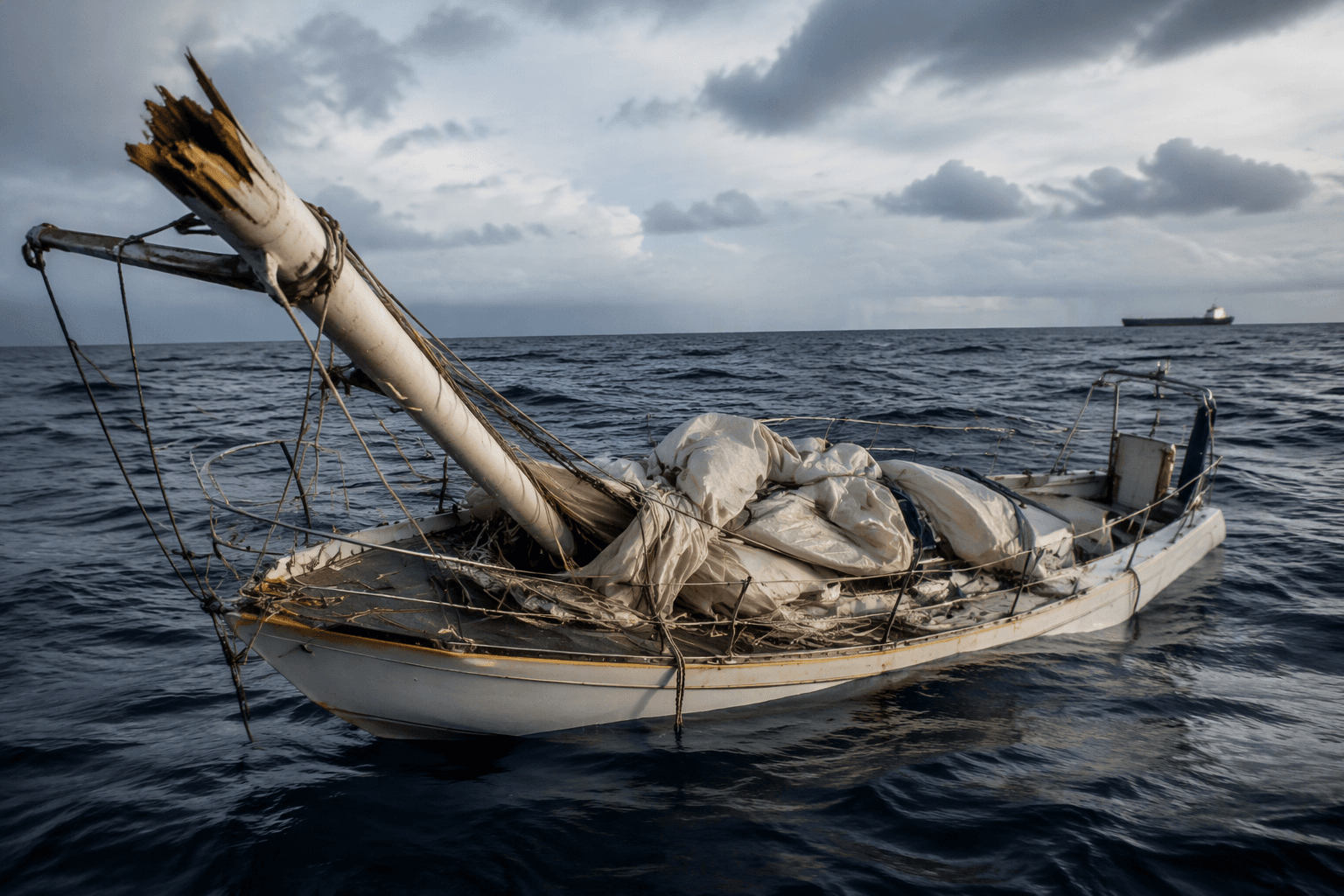
Kai Sato’s first solo run from the Catalina Islands to Hawaii went bad fast when his mast snapped about two weeks after departure, turning a planned offshore passage into a month-long drift. By the time a Pasha Hawaii cargo ship found his battered sailboat near Hawaii, Sato, 39, had been at sea long enough for the failure to stop being a rigging problem and become a full systems failure.
The chain reaction is what DIY sailors need to read twice. Once the mast was gone, Sato lost the normal sailing mode that gets a boat across roughly 2,000 nautical miles, then ran out of gas while trying to motor back toward shore. He later told Hawaii News Now he spent days in despair after losing his mast, fuel and phone, and that is the part of the story that should reset every offshore preflight: if one break takes out propulsion, communication and morale in the same week, the boat was never carrying enough margin.
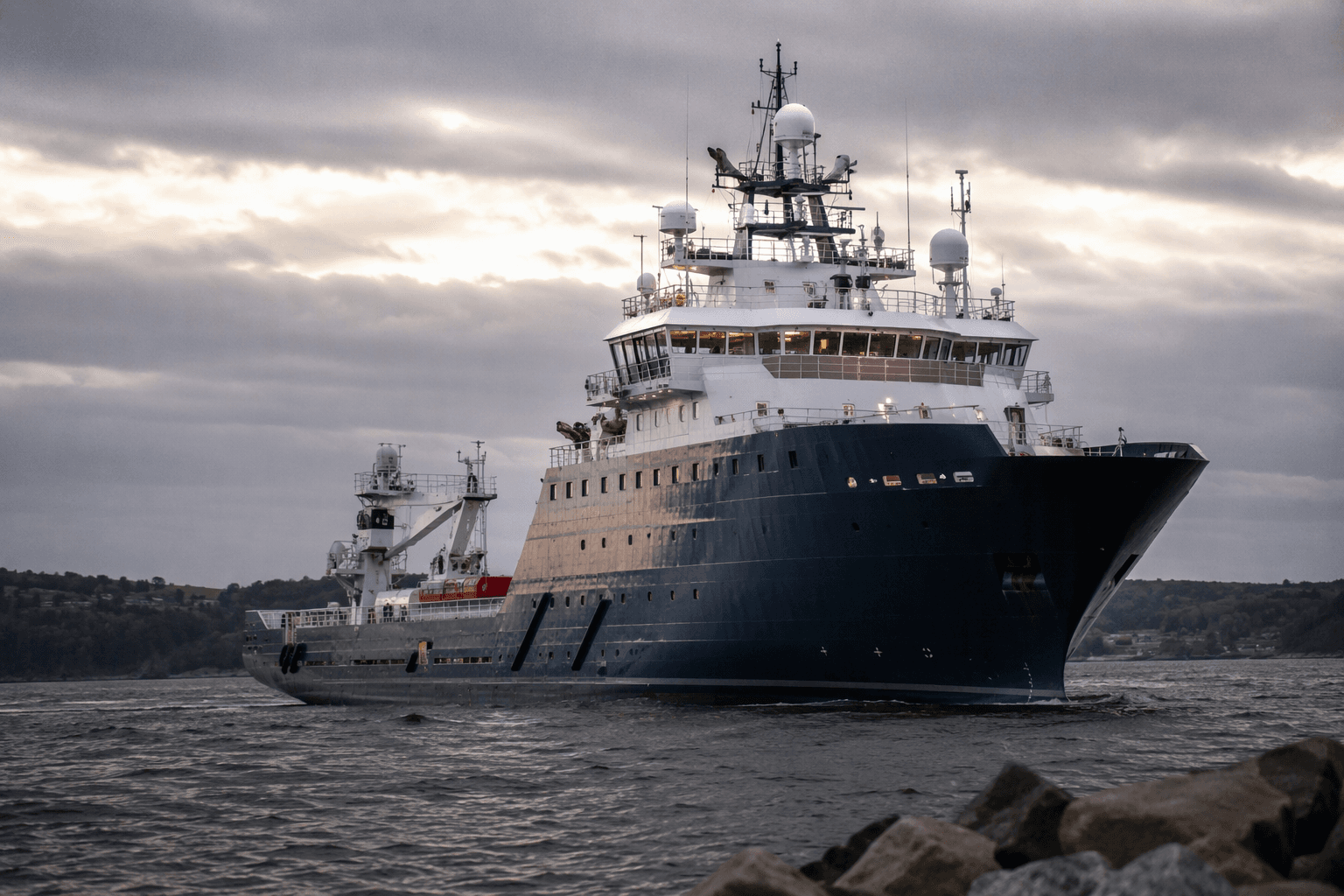
The rescue itself was plain seamanship, not drama. A Pasha Hawaii crew spotted the distressed sailboat, helped Sato climb aboard and gave him a suite, clothes and food after the pickup. Hawaii News Now’s follow-up said he had run out of water and had been improvising repairs to get back into a shipping lane, which tells you the best move after dismasting is not heroics but buying time, preserving energy and making the boat visible to commercial traffic. If you are setting up for a solo passage, that means a real jury-rig plan, not just a spare halyard and hope. A drogue, a jury boom, spare lashings, tape, and a way to keep the boat tracking under bare poles matter more once the spar is in the water than they do in the dockside rigging checklist.
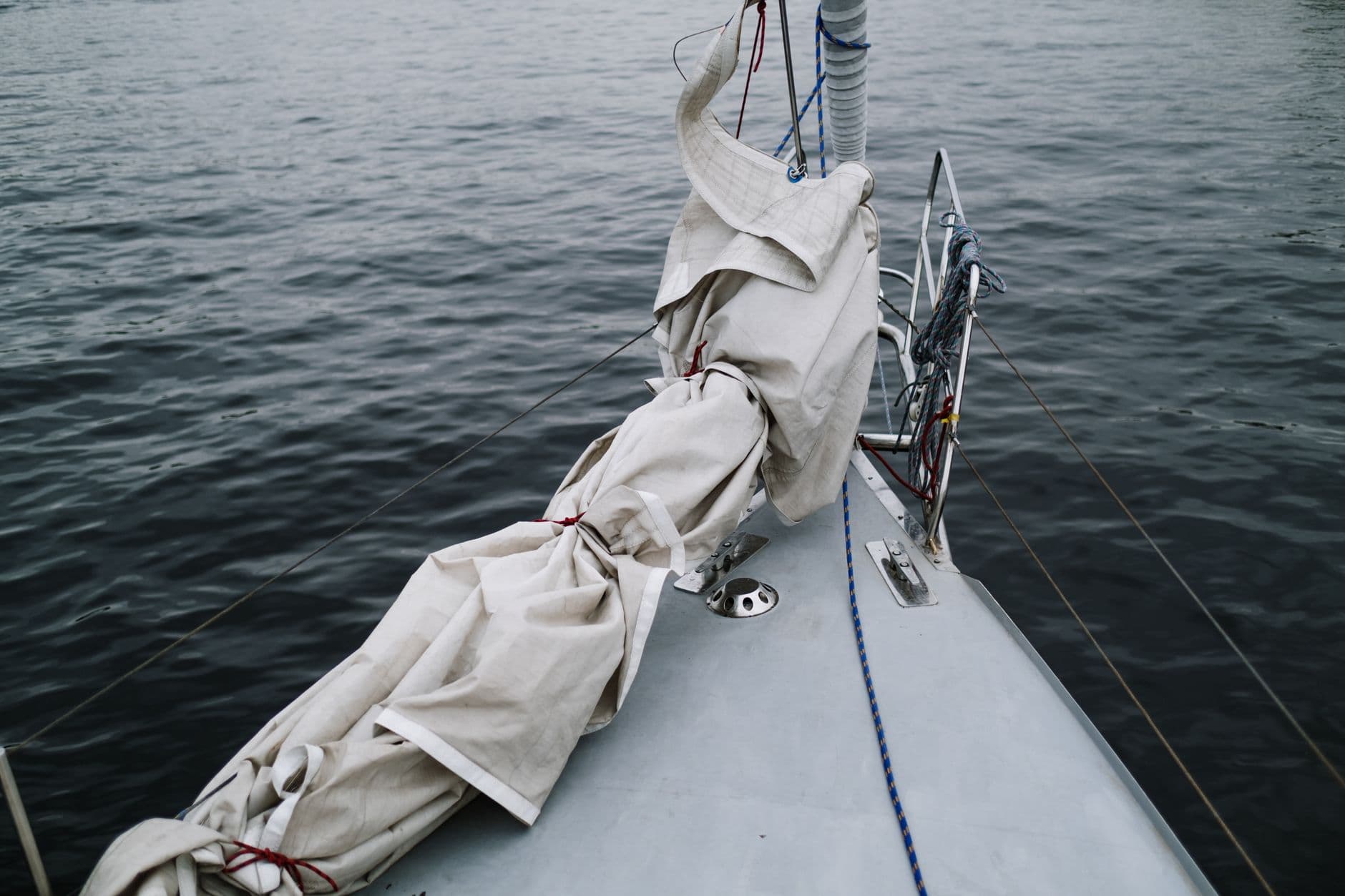
The bigger lesson is redundancy, and plenty of it. A single phone, a single fuel tank, or a single way to call for help leaves too many points of failure when the mast is gone and the boat is drifting. EPIRB or PLB readiness, charged handheld comms, water reserves, and reserve power are not comfort items on a solo Pacific crossing; they are the difference between a bad passage and a preventable risk-management story. Sato made it back because a cargo ship eventually crossed his drift line. The next sailor may not get that much luck after the same kind of break.
This article was produced by Prism’s automated news system from verified source data, official records, and press releases, then run through automated quality and moderation checks before publishing. The system is built and supervised by the people who set the standards it runs under. Read our full AI policy.
Did this article answer your question?