Renogy’s automatic transfer switch simplifies boat AC power management
A 120V 30A transfer switch can stop backfeeding, simplify source changes, and keep shore-to-inverter handoffs cleaner on boats with multiple AC sources.
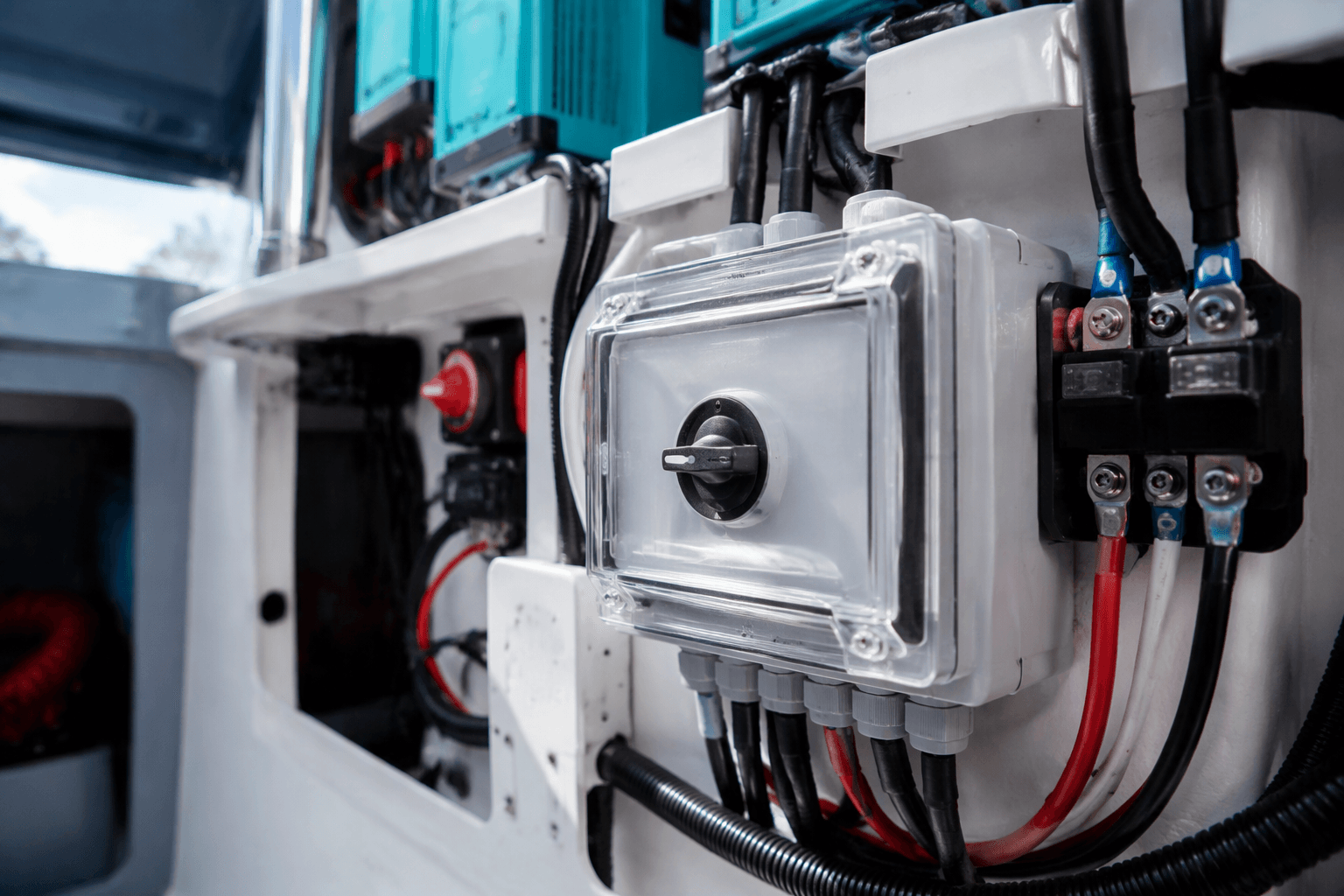
Renogy Canada’s July 25 product page offers a 120V, 30-amp automatic transfer switch for the part of a marine or RV electrical system where hot shore cords and live inlets can turn a small wiring shortcut into an expensive mess fast.
What an automatic transfer switch actually does
A transfer switch decides which AC source feeds the boat. In practice, that means it can move power from shore to inverter or generator automatically, so the AC panel keeps running without a manual unplug-and-rewire job. This hardware shows up anywhere a boat relies on more than one AC source.
The 120V, 30A rating means the switch is built for a specific service architecture, not every boat with an outlet and a charger. On some panels, especially larger ones, the transfer gear has to handle more complex layouts, including dual shore legs, and in one Good Old Boat panel example, inverter transfer hardware carried as much as 60 amps across both shore legs. That is the first compatibility lesson: the switch has to match the way your panel is actually wired, not the way you wish it were.
Who actually needs one
It makes the most sense on boats that regularly juggle shore power, a battery bank, an inverter, and a generator, especially cruising boats that sit in marinas and keep chargers, refrigeration, and navigation electronics alive from mixed AC sources. Dependable battery power supports navigation equipment and other loads that depend on a clean electrical system.

It also fits the owner who is tired of improvised changeovers. Owners keep circling the same practical concern: how to avoid backfeeding between shore power, generators, and inverter-chargers. Offshore sailors have treated that as a serious safety issue for years, and John Harries wrote on September 7, 2021 about dangerous shore-power and generator setups on used boats in “Why I Won’t Power Our Boat With a Portable Generator.”
Compatibility checks before you buy a 30-amp unit
The first check is simple: make sure your boat is truly a 120V, 30A system. If your panel is built around a different shore-service format, or if your AC architecture is more complex than a single 30-amp feed, the wrong transfer switch just becomes another expensive box to replace later. That matters on refits, because older boats often carry a patchwork of original gear, later additions, and owner-installed work that does not always read like a clean schematic.
The next check is source matching. Your inverter, generator, and shore inlet have to fit the switching plan, because a transfer switch is only useful when it can move cleanly between the sources you actually use. That is why owners keep asking not just whether they need a switch, but how to prevent inverter and charger backfeeding or how to wire the whole shore-generator-inverter chain safely from the start.
What ABYC expects you to think about
ABYC’s E-8 AC Electrical Systems standard covers AC systems on boats operating at 50 or 60 Hz below 300 volts. It applies to the boat’s AC system and shore-power cord, but not to AC systems on the dock. ABYC’s E-11 guidance also says recommended compliance applies to systems and associated equipment manufactured or installed after July 31, 2009.
For DIY work, AC sources have to stay separated and controlled. Automatic transfer switches belong in that world because they manage where power comes from instead of leaving the operator to improvise the switch by hand. A 2020 ABYC-mapped trawler installation showed reverse polarity indicators on the generator transfer switch and on both shore-power distribution panels.
The expensive mistakes it helps you avoid
A proper automatic transfer switch reduces the chance of backfeeding, cuts down on human error during source changes, and removes the temptation to leave cords half-swapped or temporarily bridged while the boat is under way or on the dock. It also makes the system easier to troubleshoot, because one component is responsible for deciding which AC source is active instead of leaving that job to whatever happened during the last shutdown.
This class of gear shows up in both marine and RV hardware conversations. In an RV with both shore power and an onboard generator, the transfer switch is one of the most important and often overlooked components, and Renogy’s 120V 30A automatic transfer switch appears in multiple retail listings beyond Renogy Canada.
This article was produced by Prism’s automated news system from verified source data, official records, and press releases, then run through automated quality and moderation checks before publishing. The system is built and supervised by the people who set the standards it runs under. Read our full AI policy.
Did this article answer your question?