Northland warns bargain boat buyers of costly DIY restoration traps
Cheap project boats can hide a final bill far bigger than the asking price, and Northland says it is hauling out about one abandoned vessel a month.
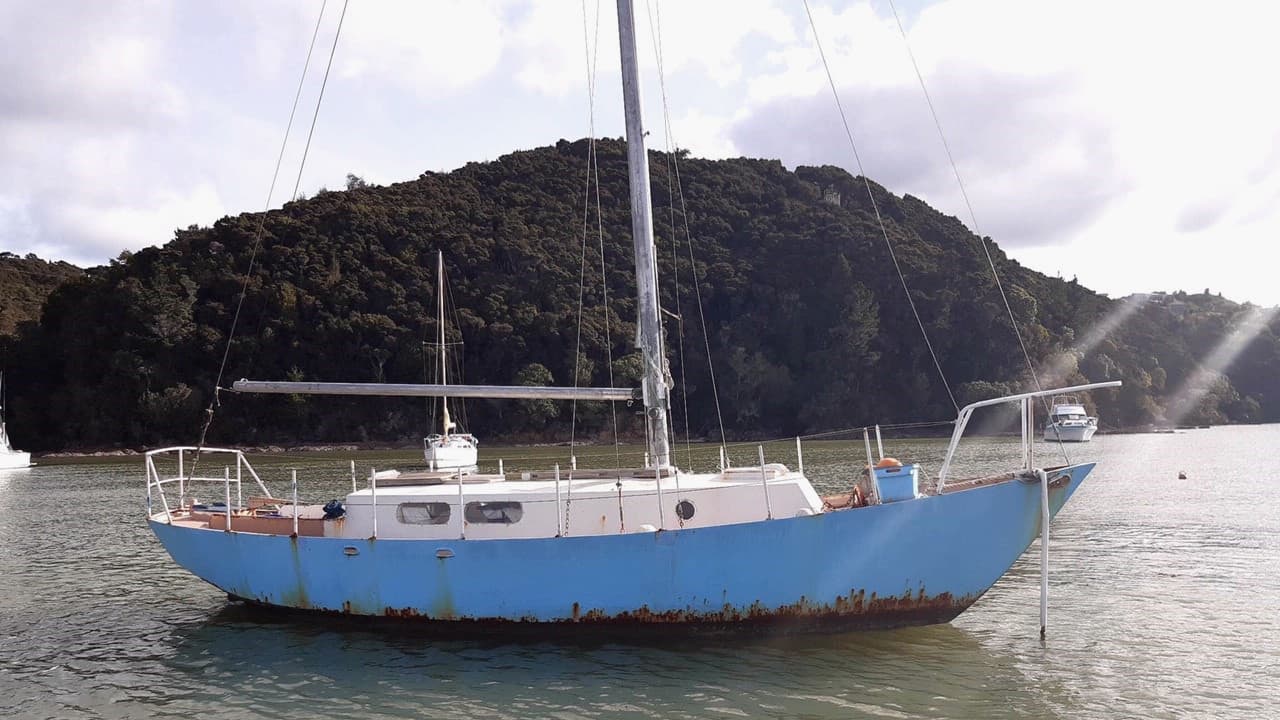
The cheapest “project boat” on the hard can become the most expensive one in the yard. Northland Regional Council is warning bargain hunters that many ageing hulls sold as doer-uppers are already near the end of their service life, and the repair bill can climb fast enough to overwhelm the savings before a boat ever leaves the mooring.
Deputy Harbourmaster Peter Thomas says the council’s maritime department disposes of an average of one boat a month somewhere in Northland, and many of those vessels started out as cheap restoration buys. He says boats built between the 1960s and 1980s are now reaching the point where owners are cutting losses and offloading them at lower and lower prices, often because the real cost of making them seaworthy is far higher than the sticker price suggests. Even after major spending, the boat still needs ongoing maintenance.

For DIY sailors, that is the first triage test: if a hull looks cheap because it is old, neglected and already waterlogged with hidden problems, walk away. Soft decks, tired structure, engine neglect, chainplate issues and fatigued rigging are the jobs that can look fixable in a listing and then chew through haul-out time, materials and labour. Northland’s warning is aimed squarely at that gap between dream and reality, where a “simple refit” can turn into a money pit.
The council says the pressure does not stop with the buyer. It has an annual budget of $95,000 for debris disposal and navigation safety work, but abandoned and derelict vessels are the biggest cost. Those boats range from 7 or 8 metres to more than 20 metres, and removal, cleaning and disposal costs vary by size and construction type. Most end up broken up for scrap metal or sent to landfill, though a vessel still in reasonable condition may occasionally be sold on Trade Me to help offset expenses. If an owner can be identified, or the boat is insured, the council seeks to recover its costs.

Northland is also ramping up summer hull surveillance, with plans to inspect 2,000 visiting and local vessels between October and May and to contract local divers for random checks. Any vessel found carrying a marine pest may be placed under legal notice, ordered to be hauled out and cleaned at the owner’s expense, and fined $500. Thomas says the safest move is to get any prospective vessel professionally inspected and talk to experienced owners before money changes hands, because the bargain hull that looks like a weekend project can end up on the disposal list instead of in the slip.
This article was produced by Prism’s automated news system from verified source data, official records, and press releases, then run through automated quality and moderation checks before publishing. The system is built and supervised by the people who set the standards it runs under. Read our full AI policy.
Did this article answer your question?


