Offshore passage turns medical emergency as sailor needs helicopter rescue
Andy Turner’s chest pain became a helicopter rescue from an RNLI lifeboat, showing how fast a routine offshore leg can turn into a medevac.
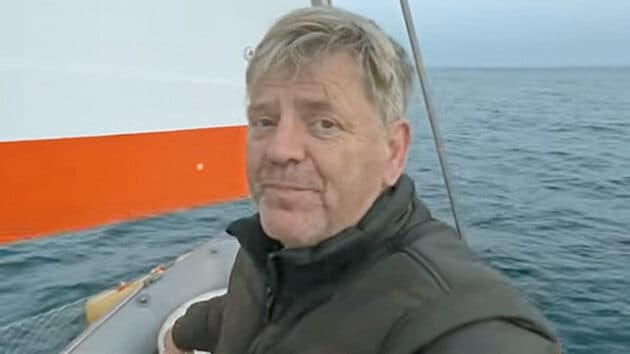
A comfortable offshore leg in a Bowman 46 turned into a helicopter medevac when Andy Turner’s heart condition worsened at sea, a sharp reminder that the most important safety gear can be the warning signs you do not ignore. Turner was sailing with his 13-year-old son and a friend when HM Coastguard and the RNLI turned a yacht casualty into a sea-to-air rescue.
The passage had not begun as a desperate dash. The family had originally planned a coastal cruise from north Wales down toward France, but the plan changed and Turner decided to sail back north in one offshore leg with his son and his best friend while the rest of the family travelled by car. The setup matters because it shows the crew was not inexperienced, the weather had been favourable and the boat was handling properly. The Hydrovane was working and the yacht was making offshore miles around the headlands when the situation changed.
What should matter to any skipper is that Turner had already felt chest pain before he went aloft in Torquay to fix a masthead light. That detail is the clearest preparedness lesson in the whole incident. Bodily warning signs need the same respect sailors give to a cracked fitting or a chafed line, because offshore there is no separation between a medical issue and a passage problem. The moment the body starts sending signals, the crew’s routine has to shift from sailing mode to response mode.
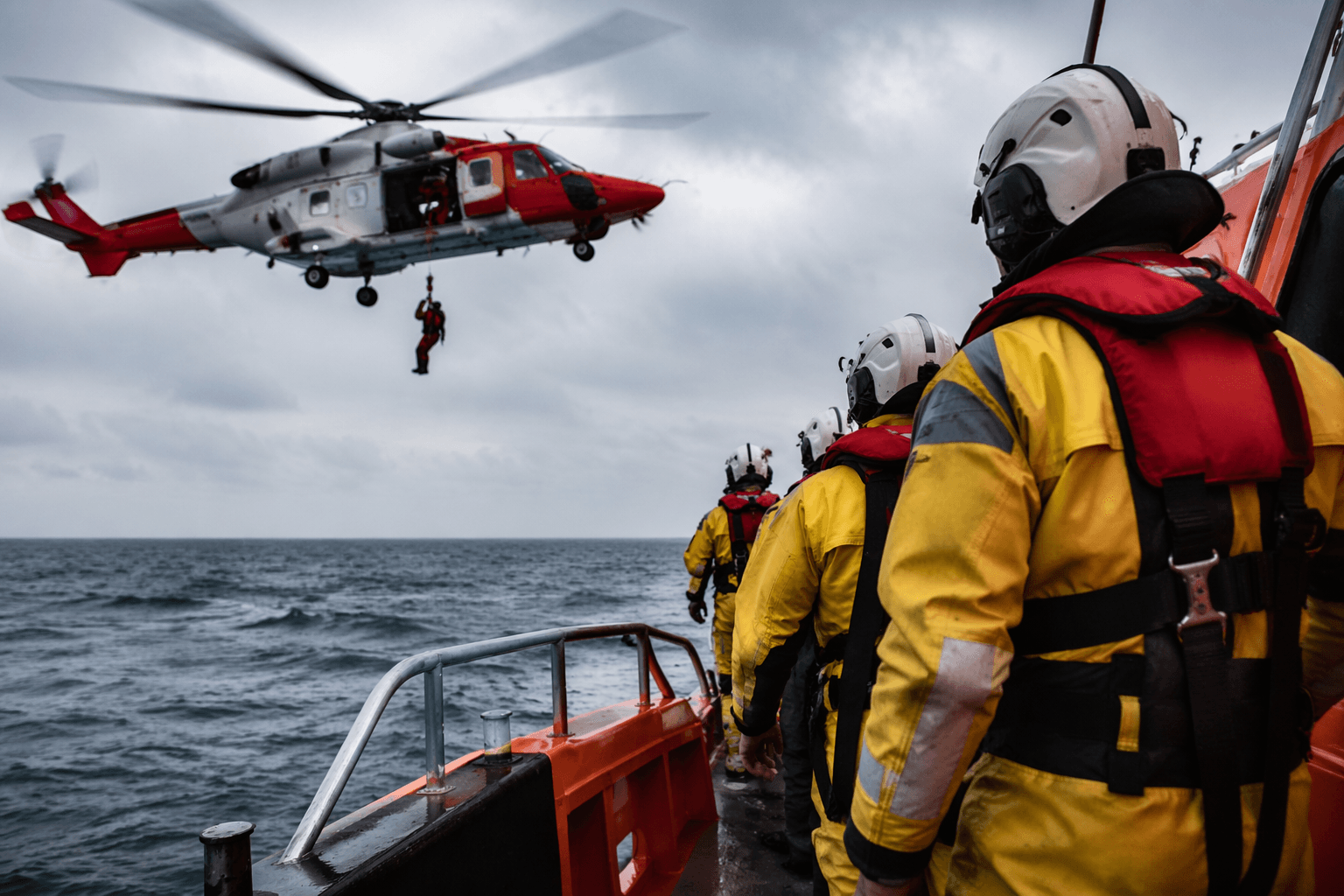
The pressure did not stop at the heart problem. Freshwater was lost and, in the engine bay, a hose had rubbed through on the alternator belt and leaked into the bilge, adding another layer of stress to a situation that was already beyond normal seamanship. That is the kind of compound failure offshore crews need to plan for before they cast off: a clear way to share medical information, a communications setup that gets HM Coastguard involved fast, and a crew that knows how to keep the boat stable while rescue assets close in. HM Coastguard says it is the UK’s national maritime emergency service, available 24 hours a day, 365 days a year, and it will often task a local lifeboat and, if needed, a helicopter for a yacht casualty.
The RNLI says urgent medical care at sea is often fastest when a casualty is airlifted to hospital, and its crews train with Coastguard helicopter teams for exactly that handover. Torbay RNLI, the station involved in this region, says its crews have 52 awards for gallantry and today operate a Severn-class all-weather lifeboat and a D-class inshore lifeboat. The Bowman 46 was built for offshore work, but this case shows that even a capable yacht can become a rescue scene in minutes when the person aboard starts failing.
This article was produced by Prism’s automated news system from verified source data, official records, and press releases, then run through automated quality and moderation checks before publishing. The system is built and supervised by the people who set the standards it runs under. Read our full AI policy.
Know something we missed? Have a correction or additional information?
Submit a Tip