PBO reveals low-cost upgrades to make project boat Maximus more comfortable
The best comfort gains on Maximus came from dull jobs, not shiny kit: seacocks, wiring, hoses and rigging that made the old Maxi 84 safer and far easier to live with.
A tired project boat does not get comfortable because of new cushions. On Maximus, the real gains came from the ugly jobs: seacocks, wiring, hoses and rigging that stopped the boat fighting back on every cruise.
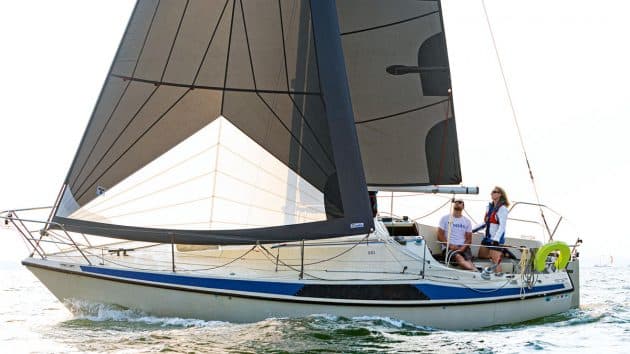
Practical Boat Owner has used Maximus, its 28ft Maxi 84 project boat, as a live test bed for exactly that sort of budget-minded improvement since it first introduced her in 2021. The boat was designed by Pelle Peterson, built by Maxi Yachts, and is one of 1,350 GRP boats produced between 1977 and 1983. It also came with a real cruising history attached: reader Daniel Kirtley had sailed her for eight years around the South West coast before offering her to the magazine, and PBO said she had been out of the water for more than two years when the project was announced.
That background matters because the latest low-cost comfort round-up is not about vanity refits. It is about what actually makes an older cruiser feel better when you are living with it week after week. The May 2026 issue, published on 12 March 2026, pushes the same point hard, with a package of 59 low-cost upgrades to enhance your boat and an article on how simple modifications made sailing Maximus more pleasant.
Start with the systems that make every day on board easier
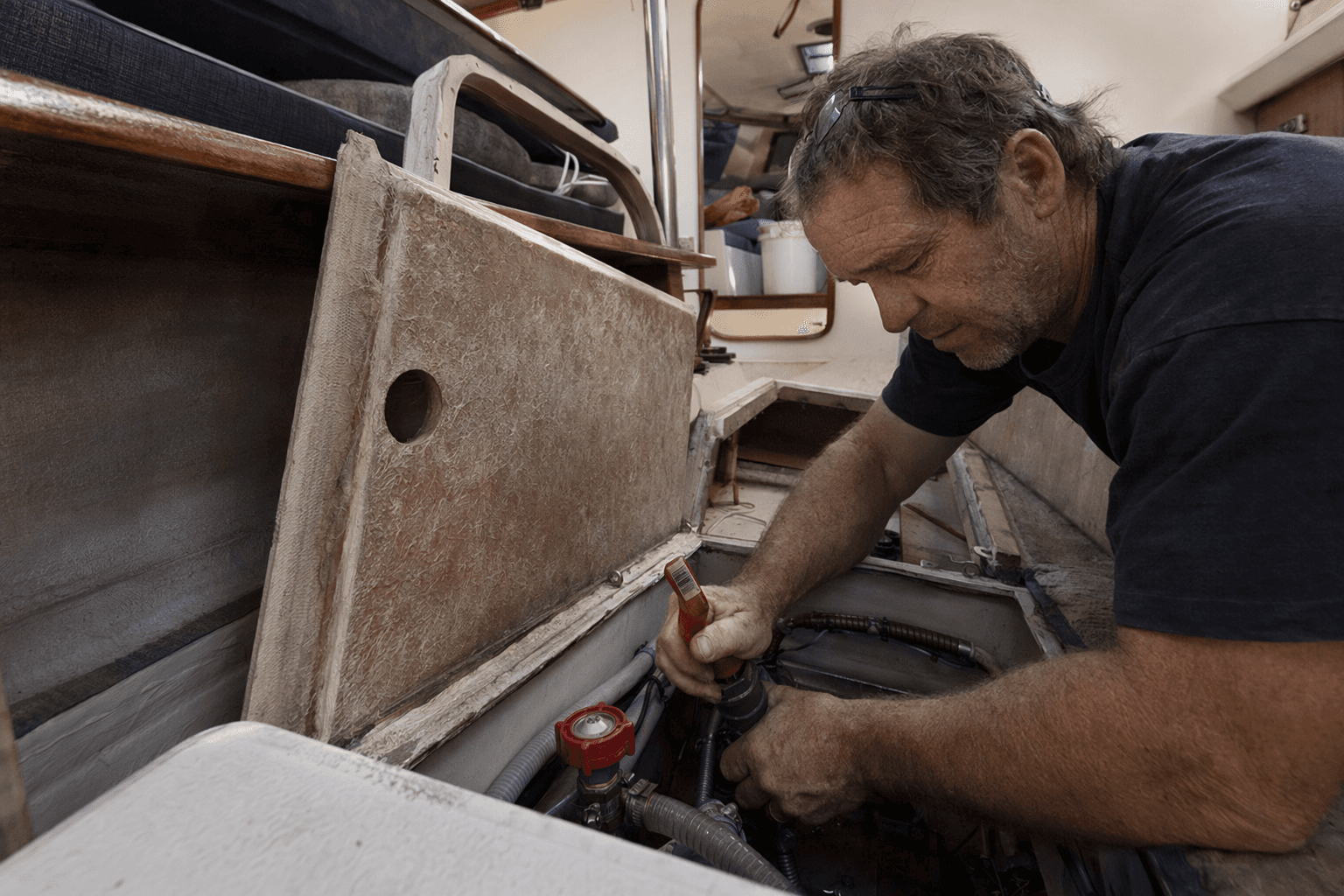
If a boat has tired systems, comfort disappears fast. On Maximus, the big wins began with seacock replacement, a total rewire, mast cable securing, and work on the marine toilet and hoses. Those jobs do not sound glamorous, but they remove the background stress that turns a cruise into a round of small failures.
The seacock refit is the clearest example. PBO reported that Maximus had four seacock fittings that needed changing, which is exactly the sort of hidden work that protects both safety and comfort. If you are not worrying about corroded valves or awkward plumbing, you are more likely to enjoy the boat the moment you cast off.
Buy the part that solves the problem, not the most expensive badge
PBO’s comparison in the seacock work shows where low-cost upgrades earn their keep. TruDesign composite seacocks were described as costing less than a third of SeaSeal’s forged DZR ones, with an example price of £40 for a ¾in TruDesign seacock against £158 for SeaSeal’s version. That is not a tiny saving, and it shows why budget DIY does not have to mean second-rate.
The lesson is not simply to buy the cheapest fitting on the shelf. It is to spend carefully on parts that do the job cleanly and reliably, especially where the work is buried behind lockers, under sole boards or below the waterline. Once a cheap shortcut risks another haul-out, another leak, or another weekend lost to chasing faults, the saving stops being a saving.
Power faults are comfort killers, so the wiring comes first
PBO’s rewire coverage makes the same case from the electrical side. Maximus’s electrics were condemned, which forced a total rewire and replacement of running rigging. That is a blunt reminder that a comfortable boat is not just about soft trim or storage tweaks, it depends on systems that work every time you turn a key or switch on a light.
For an older yacht owner, the practical takeaway is straightforward. Cracked, UV-damaged or suspect wiring is not a cosmetic issue, because unreliable electrics make everything on board more awkward, from charging up to running essential kit. A proper rewire is not a five-minute fix, but the return is huge in confidence and day-to-day ease.
Don’t overlook the small jobs in the mast and on deck
Mast cable securing sits in the same category. It is the kind of task that only gets noticed when it has already become a nuisance, yet it matters because tidy, secure cabling reduces wear, prevents snagging and makes later maintenance far simpler. Add running rigging into the mix and you start to see how a tired boat becomes easier to handle without changing the boat’s character at all.
That is where cheap upgrades can be genuinely transformative for a DIY owner of an older yacht. You can copy the principle in a weekend if the work is simple enough: secure cables properly, renew worn lines before they chafe, and tackle the jobs that stop deck work becoming fiddly. The goal is not perfection, it is removing the little frustrations that wear you down by the second day of a cruise.
Plumbing fixes are comfort upgrades too
The marine toilet and hose work on Maximus also belongs in the comfort column, even though it is often treated as maintenance. Bad hoses, poor connections and tired headgear affect the whole atmosphere below decks, especially on a small cruising boat where smells, leaks and awkward access are impossible to ignore. Sorting those systems makes the cabin feel less like a project and more like a place to stay.
That is why Maximus is such a useful case study for anyone trying to improve an older boat on a budget. The magazine keeps proving that you do not need a major refit to feel a real difference. On a 28ft cruiser like this, the cheapest worthwhile upgrades are the ones that remove the most irritating failures first, and that is exactly why the boat feels more pleasant now than it did when it came out of the water for the first time in the project.
This article was produced by Prism’s automated news system from verified source data, official records, and press releases, then run through automated quality and moderation checks before publishing. The system is built and supervised by the people who set the standards it runs under. Read our full AI policy.
Did this article answer your question?