Safer line handling gives sailors better control on deck
A loaded line can slip, jump, or run faster than you expect. A thumb-in, pinky-locked grip keeps control when the load changes.
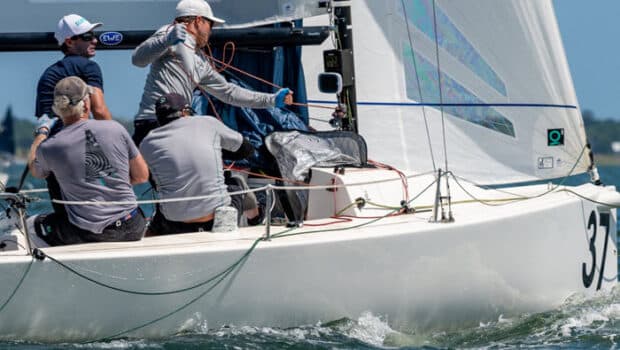
The grip that stops the surprise
A loaded line can turn a routine trim into a problem in a split second, especially if you start by grabbing it from underneath and yanking it through your hands. Quantum Sails warns that this is exactly how a line can slip, jump, or run faster than expected, which is the last thing you want when the load comes on suddenly.
The fix is small, but it changes the whole job. Move hand over hand with your thumbs pointed toward your body and your pinky locked, and the line stays controlled instead of acting like it owns the deck. That does not sound dramatic until you need to trim, ease, or arrest movement instantly and your hands are already in the right place.
How to hold the line instead
This is one of those seamanship habits that looks almost too simple to matter until you compare the before and after. The wrong way invites surprise: the line can surge, your grip can get awkward, and your body can end up chasing the load instead of managing it. The right way keeps you ready to react before the line gets away from you.
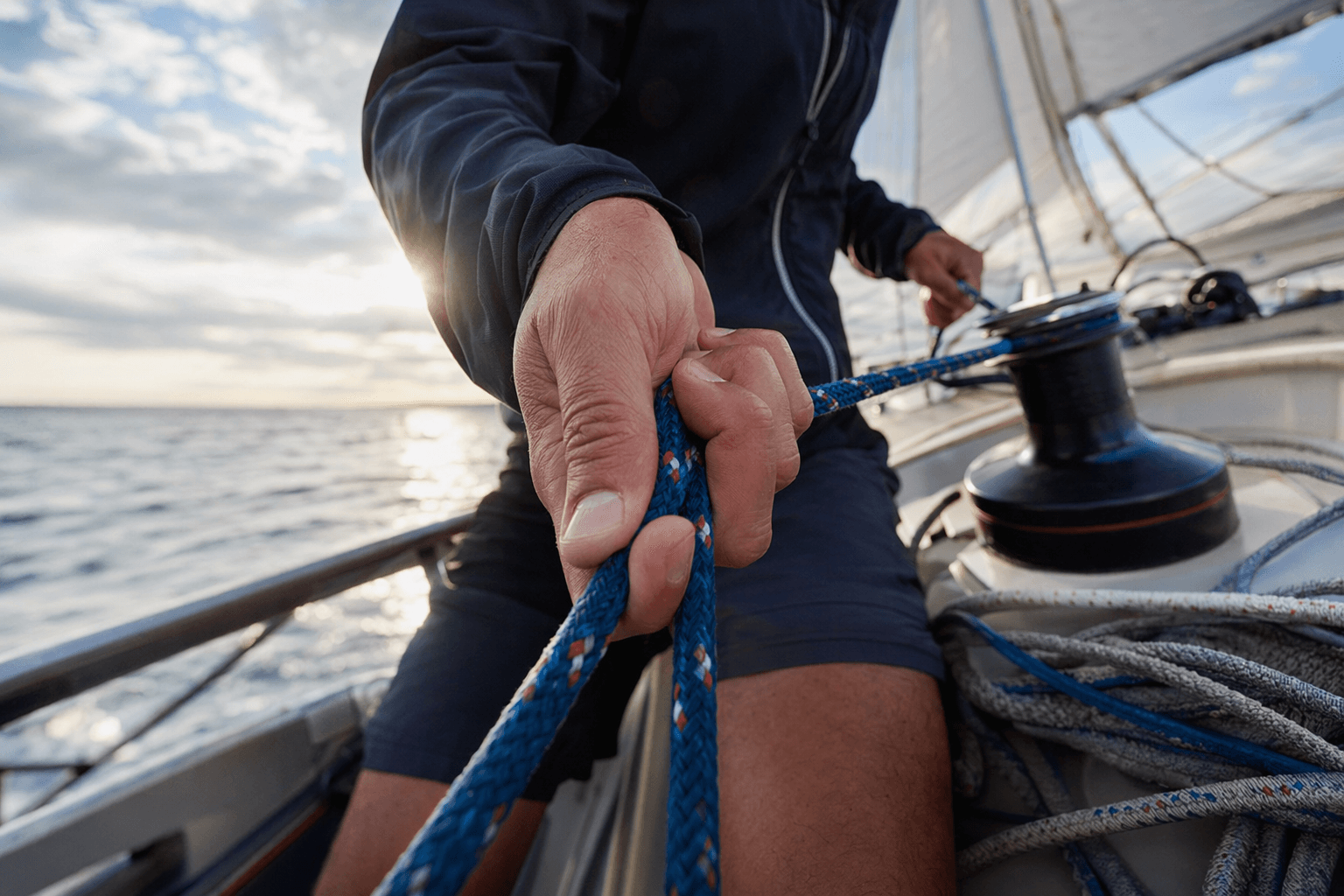
The practical difference shows up in every normal deck task:
- Hoisting sails, when the line needs to stay under control as the load builds.
- Trimming sheets, when small adjustments matter and you do not want the line sliding through your hands.
- Easing controls in gusts, when the load changes fast and you need a clean, immediate response.
- Maneuvering, when the line must be handled smoothly instead of yanked through a grip that can fail at the worst moment.
That is why this advice lands with both beginners and experienced sailors. Many people do small things the wrong way simply because nobody ever showed them a safer mechanical method. Once you switch to a controlled hand-over-hand motion, the deck feels less reactive and more deliberate, which is exactly what you want when the boat is moving and the load is not constant.
Why the small change pays off all season
This is not about flashy boat speed. It is about repeatable fundamentals, the kind that save you from fumbling a control line or getting caught out when tension rises unexpectedly. One grip change may not look like much in the moment, but repeated over a season it can improve control and cut down on the kind of little errors that waste energy and create risk.

That is the real payoff for sailing DIY. Treating line handling as a learnable mechanical skill means you get better at the basic work that never stops on a boat. The better your grip and hand movement, the less likely you are to be surprised by a loaded line, and the more likely you are to finish the maneuver cleanly the first time.
Why the safety warnings keep repeating the same lesson
The reason this matters is not abstract. OSHA says line-handling work in marine terminals still produces injuries and fatalities, which is a blunt reminder that the hazard has not gone away just because the technique seems old-fashioned or familiar. The United States Coast Guard has also warned that unsafe line handling can create critical injury or death risks, including situations where crew are positioned outboard of the vessel’s railing.
The Coast Guard’s case study is hard to ignore: a deckhand’s leg was caught between the vessel and the pier while handling a fixed-length mooring line. That is the same basic failure mode in a more serious form, because the line moved and the body was in the wrong place when it happened.
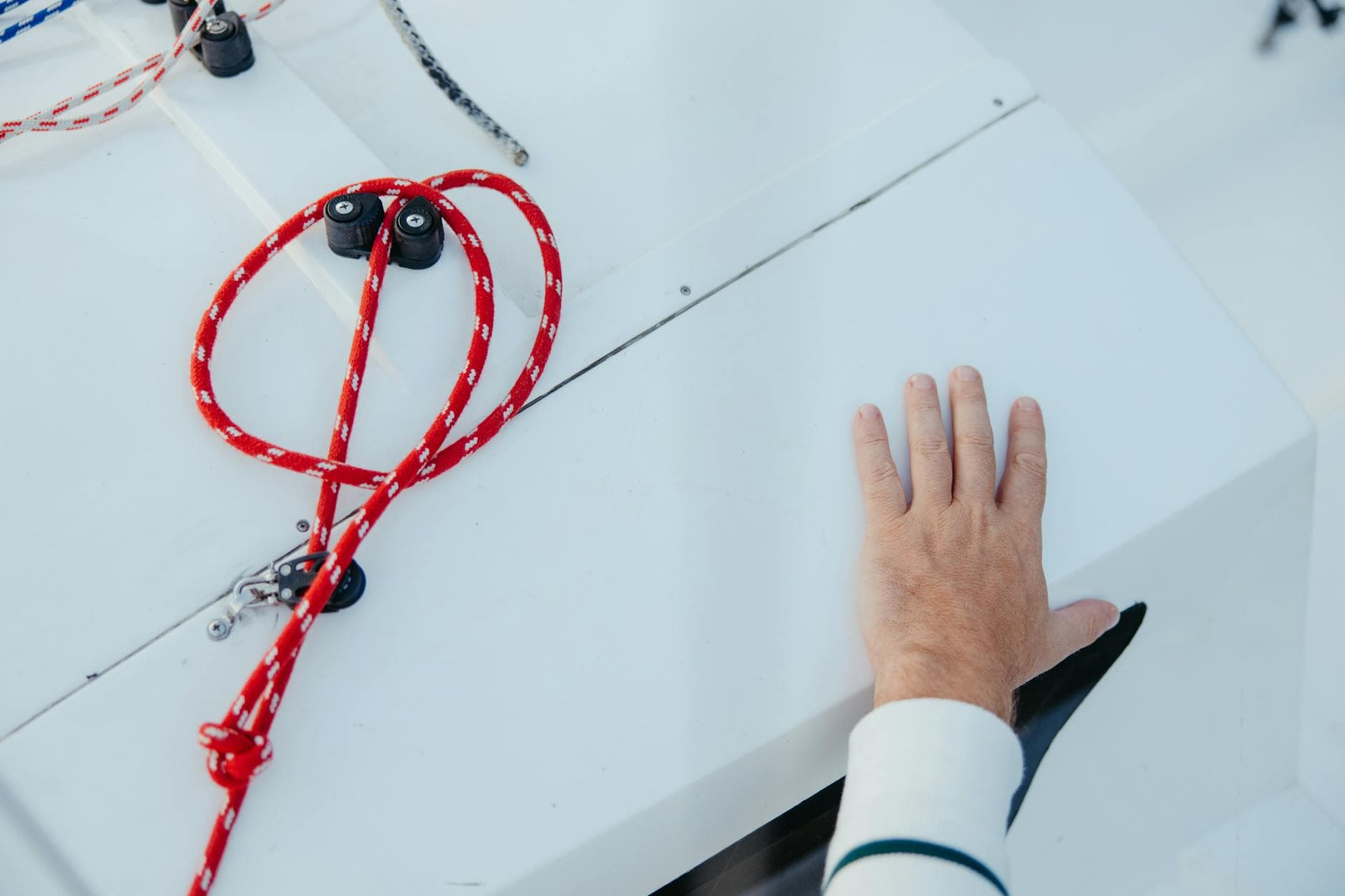
Yachting World has been making the same point for years from a sailor’s perspective. In 2022, it reported that poor winch and line handling technique can lead to degloving injuries and even the loss of fingers. Its 2024 line-handling guide says sailors still hear about crushed hands, lost fingers, and major damage from poor technique, and it makes the case that safe line handling is an essential skill that should be practiced.
A habit that earns its place on every boat
That is why the Scuttlebutt feature works so well: it takes a familiar action and asks whether you are actually doing it the right way. The answer, if you are grabbing from underneath and yanking, is no. The better method is not complicated, not expensive, and not limited to racing or heavy-weather work. It is the kind of deck habit that quietly makes every other task safer and more controlled.
A loaded line should never surprise you into a bad hand position. Hold it hand over hand, thumbs toward your body, pinky locked, and you keep the line where it belongs, under control, before it runs faster than you expect.
This article was produced by Prism’s automated news system from verified source data, official records, and press releases, then run through automated quality and moderation checks before publishing. The system is built and supervised by the people who set the standards it runs under. Read our full AI policy.
Did this article answer your question?