Practical Sailor tests 20 handheld VHF radios for sailors
When the fixed radio dies or the boat starts to go dark, the right handheld VHF is the difference between noise and a working lifeline.
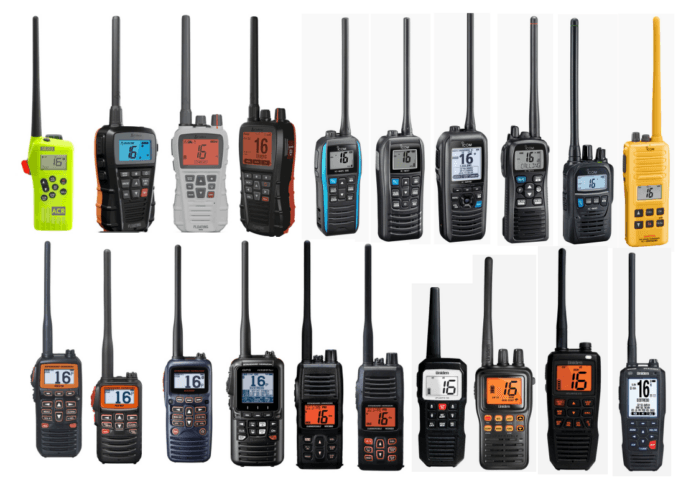
When the fixed-mount quits, the handheld VHF in the cockpit becomes the radio that matters. Practical Sailor compared 20 handheld VHF radios across the jobs sailors actually assign them: one in the cockpit, one in a ditch bag, one in a tender, and one cheap spare for ugly weather.
What a handheld VHF has to do when things go wrong
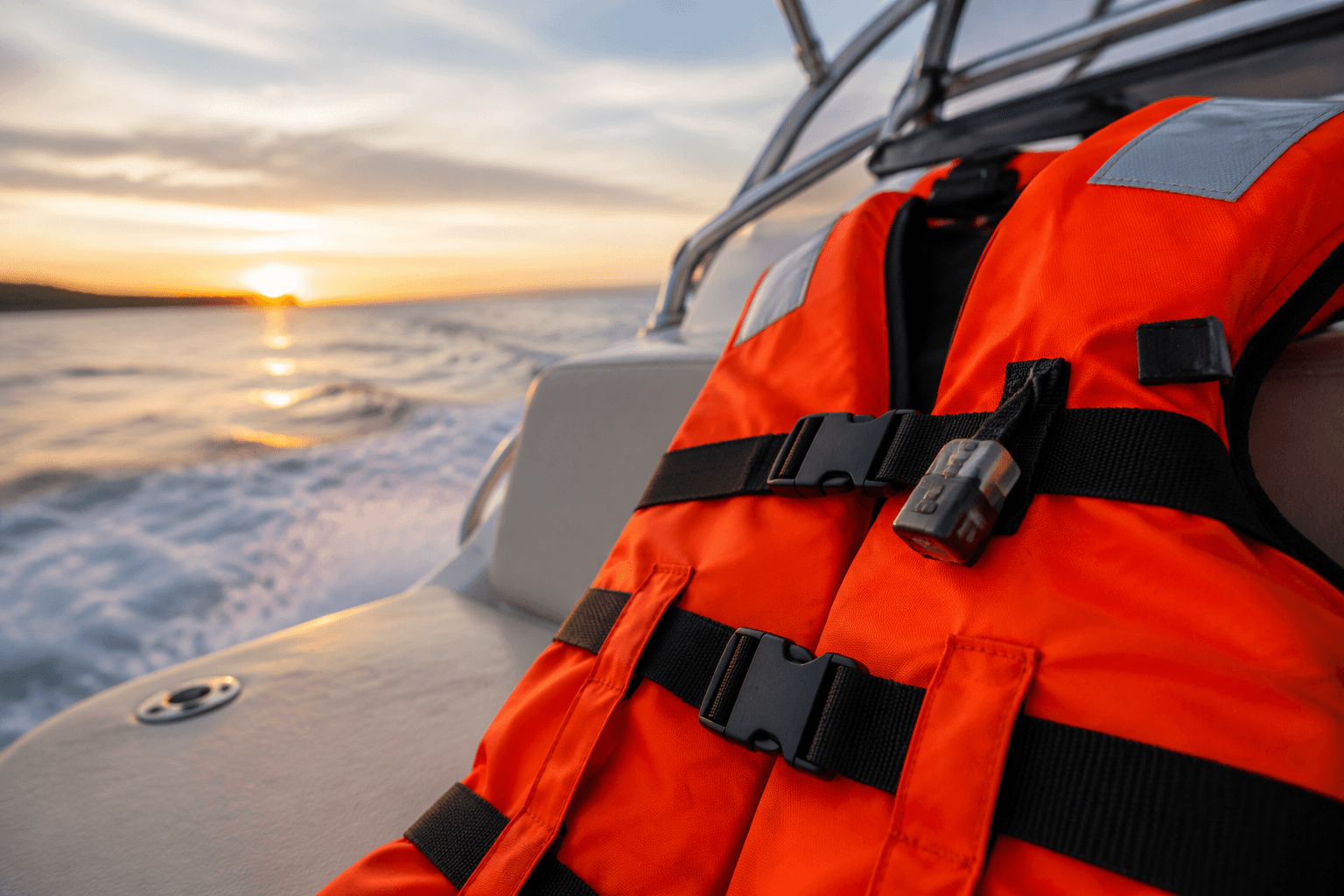
The U.S. Coast Guard does not list handheld VHF radios as required recreational-boating safety gear, but that does not make them optional in practice. Federal boating rules still require a Coast Guard-approved wearable life jacket for each person onboard, and boats greater than 16 feet must carry a Coast Guard-approved throwable device. A handheld VHF sits beside that gear as voluntary safety equipment.
Handhelds do three jobs at once. They let you reach marinas, nearby vessels, and emergency responders. They also pull in weather channels, turning the radio into a basic warning system when the sky changes quickly. NOAA Weather Radio continuously broadcasts local and nearshore coastal marine forecasts along with tides and observations from buoys and coastal meteorological stations.
The emergency channels that actually matter
For sailors, the important channels are the ones tied to distress, not the ones packed with feature-sheet noise. Channel 16 is the distress and safety calling channel, and Channel 70 is the DSC distress and safety calling channel on the Federal Communications Commission’s marine channel chart. If you can reach help and hear the weather, the radio is doing its job.
Handheld marine radios can be used onboard different vessels or ashore in a marina. They stay relevant when a boat is tied up, on a mooring, or being moved between dock and dinghy.
Ditch bag radios need to survive the worst kind of day
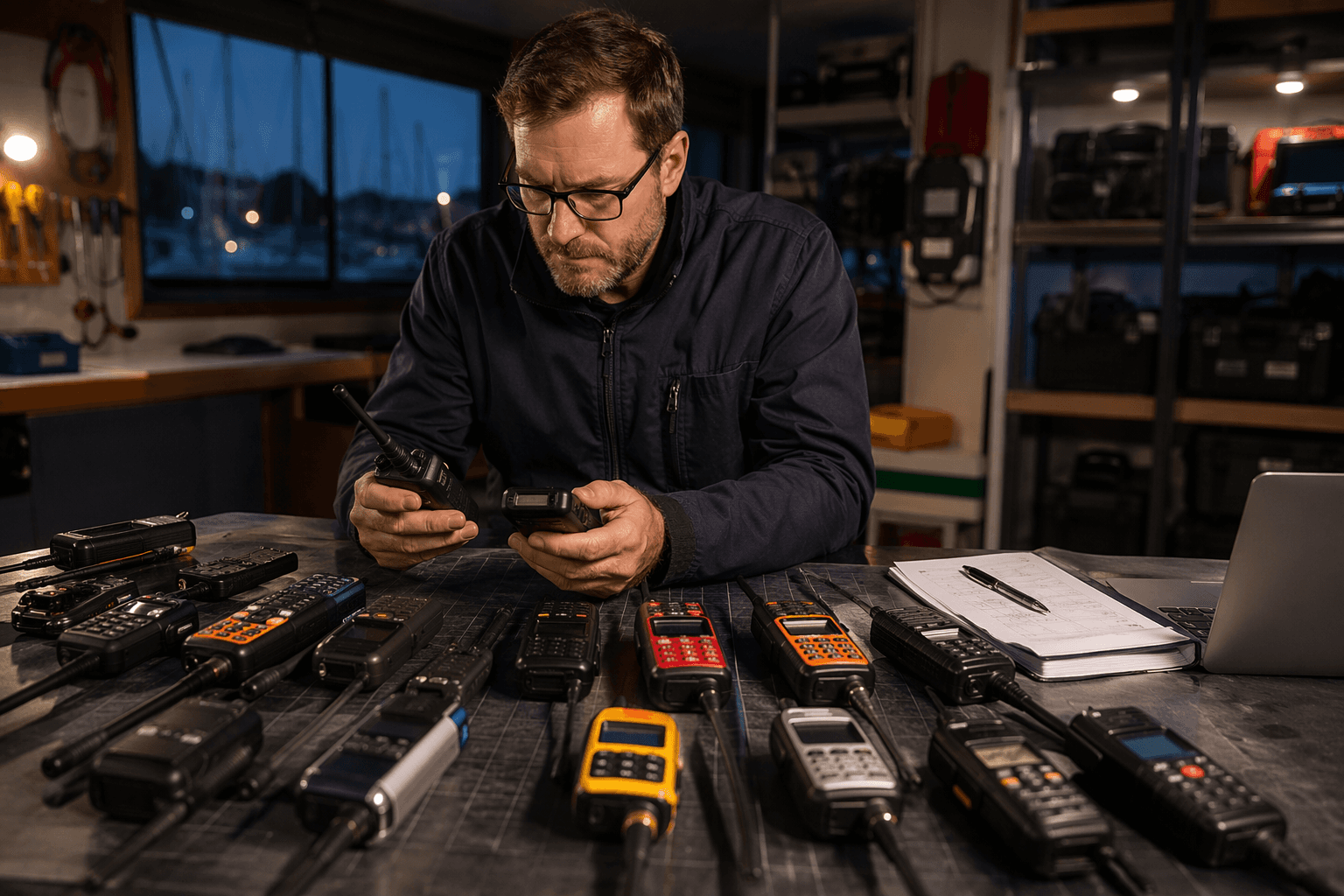
If a handheld is going into a grab bag or ditch bag, the bar changes immediately. Survival radios and some commercial-grade handhelds are built for that job, and Practical Sailor’s 20-model spread makes room for both ends of the market, from budget units to high-end sets. In a true emergency, the useful questions are blunt ones: will it turn on after sitting idle, can you operate it with wet hands, and can you get to Channel 16 fast without digging through menus?
DSC-capable models add another layer, but only if they are set up correctly. A DSC handheld cannot use DSC unless an MMSI is programmed into the radio first. Handheld and portable radios use special MMSI handling, and if the handheld has GPS, search-and-rescue teams can track the distress location.
Cockpit backup is a different job from offshore survival
A cockpit backup does not need to be a fortress, but it does need to be fast, readable, and easy to keep charged. This is where durability, ergonomics, charging options, and ease of use start to matter more than raw channel count or marketing language. If the fixed radio goes silent, the handheld has to be ready in seconds, not after a charging ritual or a hunt for a proprietary dock.
For coastal cruisers, that usually means a radio that lives close at hand, stays dry enough to trust, and makes weather checks painless. For day sailors, it may be a straightforward budget unit that can still hit emergency channels and pull in weather while the boat is bouncing and the crew is already busy.
Tender, marina, and race-day use point in different directions
A handheld that can travel from cockpit to tender to marina is useful even when nothing has gone wrong, because that is how many boats are actually used. In a tender, a compact radio gives you a direct line back to the mothership or the dock. In a marina, it can replace the fixed set as you move between slips, fuel dock, and haul-out lane.
Race committee work and commercial-grade use push the priorities again. Commercial-grade handhelds tend to appeal to crews that want a tougher, more serious tool in constant use, while race-day operations value quick communication and reliable channel access. Practical Sailor included commercial-grade radios alongside budget and survival models.
The budget spare is still part of safety planning
A low-cost handheld can make sense as a second radio, but only if it clears the same basic threshold: dependable communication, weather reception, and enough durability to live aboard. It does not have to be luxurious to be useful. It does have to be simple enough that somebody can grab it after the main system fails and use it without studying the manual under pressure.
It still has to work when the fixed mount dies, the dinghy drifts, or the crew needs a clean call on Channel 16.
The FCC records maritime radio being used aboard ships to receive storm warnings by 1900, and the Coast Guard still monitors marine distress frequencies continuously with the FCC.
This article was produced by Prism’s automated news system from verified source data, official records, and press releases, then run through automated quality and moderation checks before publishing. The system is built and supervised by the people who set the standards it runs under. Read our full AI policy.
Did this article answer your question?