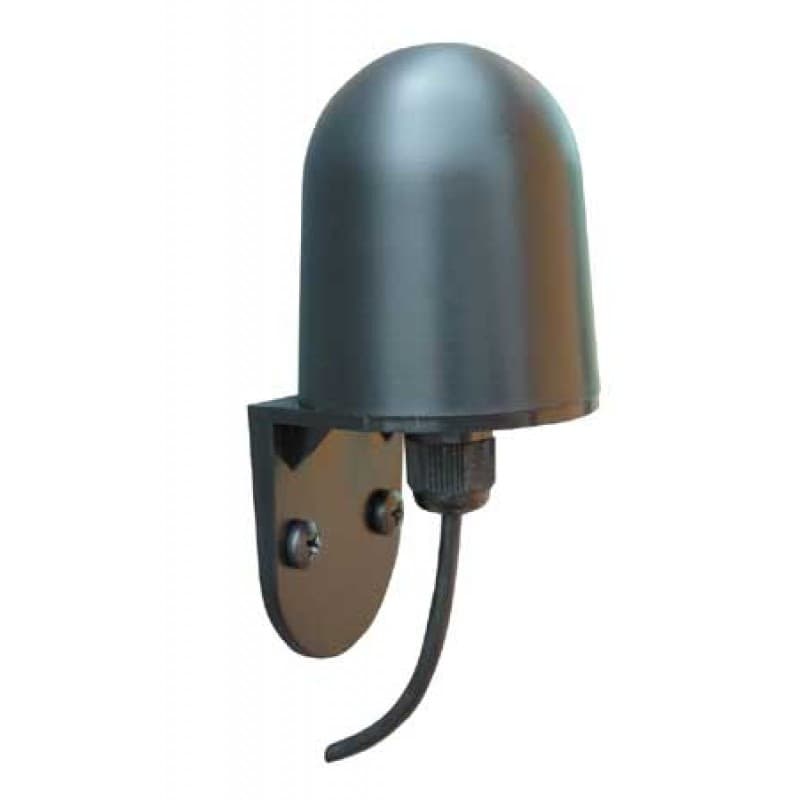
Raymarine T909 compass transducer sharpens heading data for sailing systems
The T909 is a heading fix, not a display upgrade. If wind numbers drift and autopilot behavior wanders, the compass transducer is often the weak link.

A sailboat rarely fails all at once. More often, the trouble starts with one sensor feeding bad numbers into everything else, and the symptoms spread outward: apparent wind looks slippery, true wind stops lining up with the sail trim you can feel, and the autopilot seems to hunt instead of hold a clean course. The Raymarine T909 sits right in that fault line, because it is built to supply the heading data that makes the rest of a sailing electronics network behave.
That is why the T909 deserves to be treated as more than a small add-on. In a Micronet system, heading is the reference point that lets wind, speed, and navigation data agree with one another. Without that reference, the boat can still show information, but the information stops telling the same story.
What the T909 actually does in the system
MAURIPRO identifies the T909 as Raymarine part T909 and places it in its sailing-instruments lineup, which is the right context for it. This is not a chartplotter, a display, or a general-purpose GPS substitute. It is a dedicated solid-state compass transducer for Raymarine’s Micronet wireless instrument network, where it feeds heading data through the T121 Wireless Hull Transmitter.
Raymarine’s T121 is the bridge between the transducers and the wireless instruments. It converts connected depth, speed, and compass transducer signals into wireless data for Micronet displays, and its built-in lithium battery can run the system for up to 300 hours on its own. On multihull vessels, Raymarine says two Hull Transmitters and two sets of transducers can be installed so Micronet wind information can determine which tack the vessel is on. That detail matters because it shows the T909 is part of a broader data chain, not a standalone gadget.
Why heading is the foundation layer
The reason heading matters so much is simple: wind math depends on it. Garmin’s NMEA 2000 documentation says true wind, wind direction, cardinal wind direction, and Beaufort scale calculations are most accurate when the system has a wind sensor, a water-speed sensor, a heading sensor, and a GPS antenna all working together. Garmin also labels some calculations as less accurate when heading or water-speed inputs are missing.
That is the real-world cost of a weak compass transducer. Apparent wind may still look plausible at first glance, but the numbers start to drift as soon as the boat heels, accelerates, or changes course. True wind calculations lose coherence, autopilot integrations can become less dependable, and the crew ends up making sail trim decisions around a moving target instead of a stable reference.

Navico’s B&G messaging points in the same direction. Its sailing processors are built around advanced true-wind calculations, motion correction, calibration, heel correction, boat-speed calibration, and polar-table performance data. Put those pieces together and the lesson is hard to miss: heading is not a side input. It is part of the core measurement stack that makes performance sailing data useful.
What poor installation looks like onboard
A failing or badly installed compass transducer does not always announce itself with a dramatic alarm. More often, it shows up as inconsistency. The autopilot may wander or overcorrect because the heading source is not steady. Wind angle numbers may disagree with what the sails and telltales are doing. True wind can seem to move in a way that does not match the boat’s speed, course, or heel.
That is why interference avoidance matters so much. Raymarine says its autopilot sensor uses solid-state technology with dynamic accuracy to within 2 degrees in all conditions, plus auto-compensation for onboard magnetic fields and reliable heading accuracy in northern and southern extremes. Those are the right features to look for when a boat carries enough wiring, metal, speakers, tools, and refit history to disturb a magnetic sensor. The practical goal is not just installing a compass transducer, but installing one where the system can keep its heading clean.
Where the upgrade pays off
The T909 makes the most sense when the boat already has a Micronet backbone or is being modernized in stages. That is the kind of refit many DIY sailors actually do, one component at a time, and it is where a dedicated sensor can deliver more value than a bigger screen. If the heading source improves, the existing wind display, speed data, and autopilot logic all get better at once.
Raymarine’s current support structure suggests the Micronet and Wireless product line is still an active ecosystem, not a dead-end platform. The company maintains a dedicated Wireless, Tacktick manuals library and a broader support and documentation portal, which helps keep an older but still useful sailing network serviceable. For DIY owners, that support footprint matters because it makes the T909 a realistic retrofit part rather than a one-off orphan.
NMEA 2000 compatibility is another reason the upgrade can be worth doing. On mixed-brand boats, a heading sensor that can share cleaner data across the network helps Raymarine, Garmin, and B&G gear work from the same reference instead of each brand trying to infer its own version of the truth. That is especially valuable on boats that have accumulated gear over several seasons and never had the luxury of a clean-sheet install.
A practical way to think about mounting and calibration
The best installation mindset is to treat the T909 as a reference instrument. Give it the cleanest magnetic environment you can manage, because Raymarine’s own sensor language makes clear that onboard magnetic fields are part of the problem the system is trying to correct. Keep the installation thoughtful, then calibrate it with the same care you would give a new autopilot sensor or wind instrument.
Calibration pays off because it turns raw heading into stable system behavior. B&G’s emphasis on calibration, heel correction, and boat-speed calibration is a good reminder that sailing electronics perform best when the sensor suite is matched to the boat instead of merely powered on. The reward is not abstract. It is steadier wind numbers, less wandering in autopilot behavior, and more confidence that the compass transducer is feeding the rest of the network a heading you can trust.
The bottom line for DIY sailors
If your sailing electronics have started disagreeing with one another, the problem may not be the display you stare at most. It may be the heading source underneath it all. The T909 is built for exactly that layer of the system, where a solid-state compass transducer, a T121 Wireless Hull Transmitter, and a Micronet network work together to keep the rest of the boat honest.
That is the appeal of the T909: it fixes the part of the system that keeps everything else aligned. When the heading data is clean, the autopilot steadies up, the wind numbers make sense, and the whole cockpit feels less like a collection of gadgets and more like a sailboat that knows where it is pointing.
This article was produced by Prism’s automated news system from verified source data, official records, and press releases, then run through automated quality and moderation checks before publishing. The system is built and supervised by the people who set the standards it runs under. Read our full AI policy.
Did this article answer your question?