Seamanship and stewardship go hand in hand for sailors
A clean hull, tight gear, and disciplined fueling do more than protect your boat, they cut the damage you leave behind on every mile.
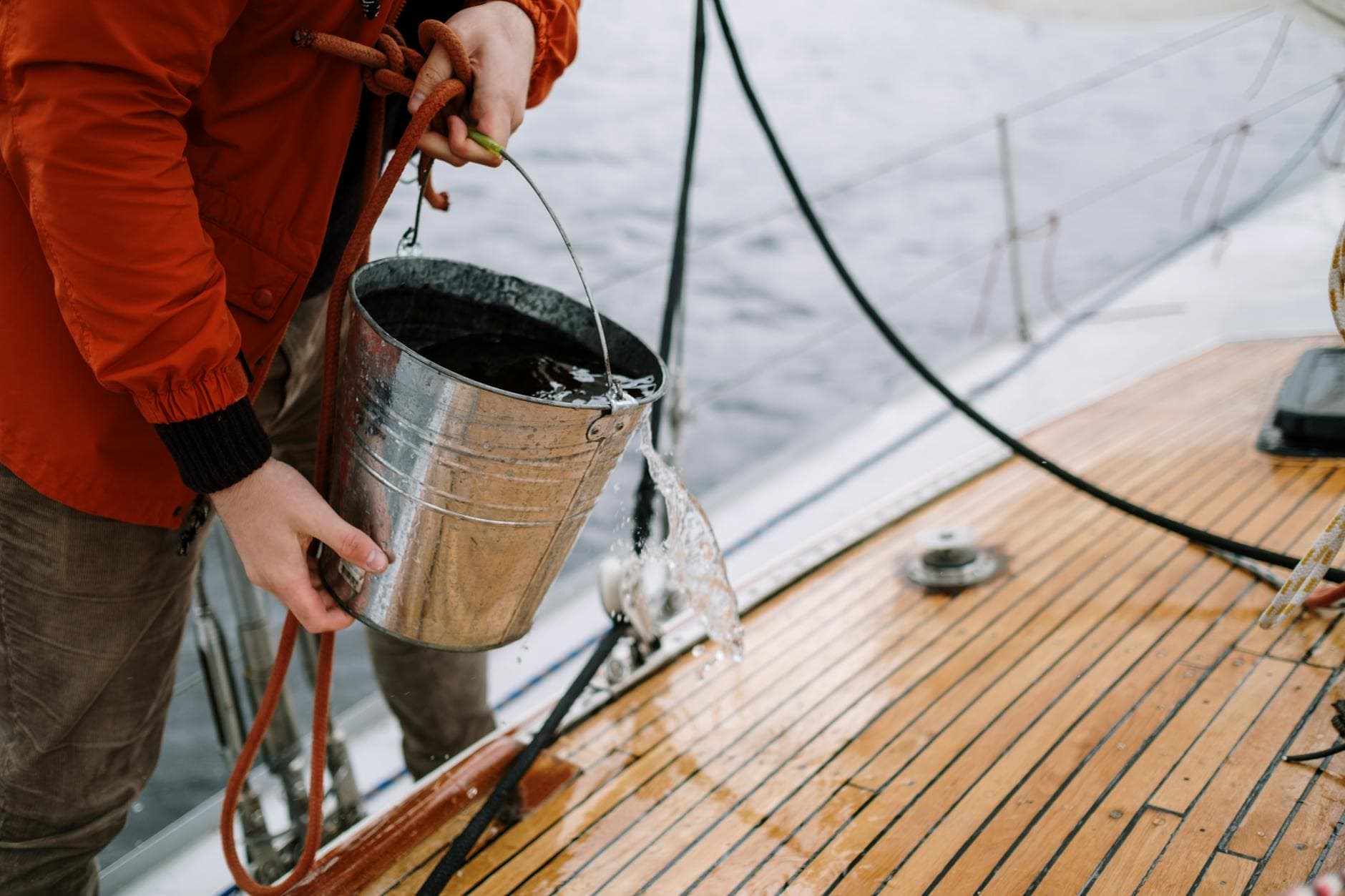
A loose fender, a fouled bottom, or a sloppy fuel fill can look like a minor dockside annoyance. At sea, those same habits decide whether you are just making way or quietly adding to the wear on the places you sail.
Start with the boat you actually maintain
Seamanship and stewardship are the same muscle. If you keep your boat tidy, efficient, and secure, you are already doing a better job of protecting the water beneath you. That is the basic logic behind the Yachting Monthly essay: the sea is not a blank canvas, and the old leave-no-trace ethic, take nothing but photos, leave nothing but footprints, belongs on deck as much as it does on shore.
The practical part matters most. A well-maintained boat is less likely to shed waste, leak fluids, or lose gear overboard. It is also less likely to become the sort of neglected hull that releases fuel, antifouling paint, and other chemicals into the water.
Keep the bottom clean, because drag and damage travel together
Bottom-cleaning is not just about speed. A clean hull reduces the need to push harder through the water, which means less strain on the engine and fewer opportunities to burn extra fuel. It also keeps growth, residue, and old paint where they belong, instead of turning the hull into a slow, leaching surface.
That point matters because antifouling is not a cosmetic choice. The US Environmental Protection Agency identifies antifouling paints as a major source of copper in the marine environment, and the UK Maritime and Coastguard Agency tightened anti-fouling regulations in April 2024 to strengthen ecological protections at sea. If you are hauling out this season, look at the whole system: surface prep, paint choice, application discipline, and whether your maintenance plan is reducing release or simply postponing it.
Treat the cockpit like a place where gear can become debris
Loose gear is not just untidy, it is one gust away from becoming marine debris. NOAA National Marine Sanctuaries says marine debris threatens the ocean and its resources, the economy, and safe navigation, which is why the little habit of tidying the deck has a bigger edge than it seems. A line end, plastic bottle, snack wrapper, or tool that blows out of the cockpit is no longer your problem alone once it is in the water.
This is where seamanship gets beautifully mundane. Tether the essential items, secure anything that can skate, and reduce packaging before it ever comes aboard. The cockpit and foredeck should be places where everything has a home, because the moment gear starts wandering, it can become litter, a snag hazard, or a navigation problem for someone else.
Handle fuel like a spill is part of the logbook
Fueling discipline is one of the clearest onboard choices you can change this season. The US Environmental Protection Agency says marinas and boating can contribute to nonpoint-source pollution through runoff, fuel spills, oils, paints, and cleansers, which means the cleanest marina in the world can still be affected by what happens at the dock.
That makes the routine around fueling matter as much as the fill itself. Slow down, control drips, keep absorbent materials where you can reach them, and do not treat small spills as harmless because they evaporate or disappear from sight. They do not disappear from the system. The same goes for cleaning products and leftover solvents: if they belong in a locker, not the water, keep them there.
Waste streams are a seamanship issue, not a side note
A boat creates waste in obvious and less obvious ways. Some of it is packaging and trash, some of it is discharge, and some of it is the residue of the way you clean, store, and repair gear. The important thing is that individual sailors still have agency, even when the biggest environmental pressures come from outside the marina.
That is why small onboard habits count. Trim packaging before it comes aboard, separate what can be stored cleanly, and avoid the kind of casual mess that makes it easier for waste to blow, leak, or wash away. Stewardship on a cruising boat is not about perfection. It is about stopping preventable waste at the point where you can still control it.
Watch the fabrics and gear that shed
NOAA notes that synthetic clothing and fishing gear can shed microfibers, which makes the clothes and soft goods you use underway part of the environmental picture too. On a boat, that means worn synthetics, fraying line, and tired gear are not just maintenance issues, they are sources of tiny loss that add up over time.
You do not need a dramatic refit to respond. Inspect what is chafing, replace what is breaking down, and keep an eye on the materials that spend the most time exposed to sun, salt, and abrasion. The cleaner and better-cared-for your gear is, the less of it ends up in the water as microscopic debris.
The reef connection is not abstract
This is not stewardship in the abstract. NOAA says coral reefs support at least 25% of marine species, and NOAA Fisheries says the world has already lost 30% to 50% of coral reefs. NOAA also says about 86% are severely stressed. Add marine debris, which can smother, crush, or break coral, and the reason for all this caution becomes painfully concrete.
Coral damage is not a quick fix. NOAA says recovery can take a very long time, which is exactly why boat-owner decisions at the dock and on passage matter. Every clean hull, careful fuel fill, secured piece of gear, and disciplined cleanup is a small refusal to add to a very large problem.
A boat that is sailed well is already a boat that is being respected. When you keep the bottom clean, the deck tidy, the fueling careful, and the waste contained, you are practicing the same seamanship that keeps a passage safe. The difference is that this version also leaves the water quieter, cleaner, and a little more intact than you found it.
This article was produced by Prism’s automated news system from verified source data, official records, and press releases, then run through automated quality and moderation checks before publishing. The system is built and supervised by the people who set the standards it runs under. Read our full AI policy.
Did this article answer your question?