Spring commissioning should include flood, CO and fire alarm checks
The quickest spring safety win is a 30-minute alarm sweep that catches dead sensors, bad placement, weak power, and carbon monoxide risk before launch.
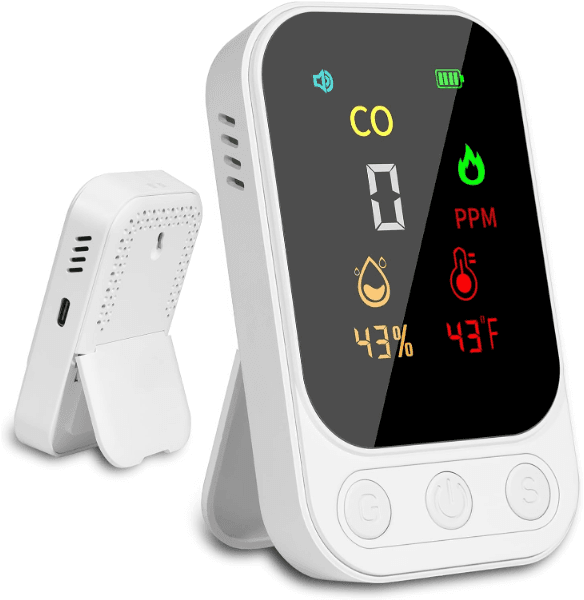
The quiet boat is exactly when these alarms need to speak up
Spring commissioning is the moment to find out whether your boat’s safety net still exists. On a small sailboat, the most useful alarm systems are also the easiest to ignore after layup, which is how dead sensors, tired batteries, corroded connections, and forgotten switches become invisible until they matter.
The best way to treat the job is as a real troubleshooting pass, not a checkbox. Power up the alarms, confirm they sound, check that they are mounted where they can actually do their job, and replace anything that has simply gone stale over the winter. That mindset matters for flood, carbon monoxide, and fire detection alike, because the whole point is to catch a problem while the boat is still tied up and quiet.
Start with the alarms themselves, not the season
The first pass is about whether each unit is alive. A detector that has lost power, suffered a corroded terminal, or quietly expired is no better than no detector at all. On a spring recommissioning, that means checking the supply, checking the wiring, and making sure the alarm is still in the place where it can sense the hazard it was bought to detect.
For CO gear, the U.S. Coast Guard is direct: install and maintain alarms inside the boat, do not ignore any alarm, and replace alarms according to the manufacturer’s recommendation. That is where a lot of spring surprises show up. If a unit has gone stale, if the power feed is weak, or if the alarm has been left in a bad spot, the boat can look ready long before the safety systems are.
Carbon monoxide deserves the most careful test
Carbon monoxide is the stealth hazard in this mix because you cannot see, smell, or taste it. The U.S. Coast Guard says it can build up not just belowdecks but in exterior areas too, including inadequately ventilated canvas enclosures, trapped exhaust areas, blocked exhaust outlets, and even from another vessel’s exhaust. Slow speeds, idling, or being stopped can also let it accumulate in ways that do not feel intuitive when the engine has only just been started.

That is why the useful CO upgrade is not just “an alarm,” but an alarm you can interpret. Practical Sailor points out the value of a monitor with a numeric parts-per-million readout, because it can reveal a slow exhaust leak before the level reaches the standard alarm threshold. For boats that rely on auxiliary engines, generators, cabin heaters, or other fuel-burning gear, that extra information can tell you there is a problem before the beeper becomes the first warning.
How to test CO alarms safely and usefully
The Coast Guard’s checklist is simple and worth following every spring: press the test button on each CO alarm, make sure exhaust clamps are in place and secure, confirm that water flows from the exhaust outlet when engines and generators are started, inspect exhaust clamps monthly, look for exhaust leaks, and have a qualified marine technician inspect exhaust and cooling systems yearly.
That sequence matters because it checks the whole chain, not just the electronics. An alarm can work perfectly and still be pointing at a real exhaust problem, and a healthy exhaust system can still become dangerous if the detector is dead or misplaced. If your boat has a number-display CO monitor, this is also the time to make sure it is mounted where you can actually see it when you are in the cabin, at the nav station, or tucked under a canvas enclosure.
Placement is part of the problem, not just the solution
ABYC’s TH-22 technical report makes a useful point: CO accumulation depends on boat geometry, hatch, window, and door openings, ventilation openings, nearby structures, swim platforms, canvas enclosures, exhaust outlet location, vessel attitude, wind direction, boat speed, and boat system maintenance. In other words, the same boat can behave differently at the dock, under way, in a crosswind, or with the cockpit enclosed.
The report also notes that a cuddy intended for gear storage and open passenger cockpits, with or without canvas enclosures, are not considered enclosed accommodation compartments. That matters when you are deciding where an alarm belongs and how much confidence to place in last year’s placement. A sensor in one part of the boat may be fine for one layout and badly positioned for another, especially after a refit, a new dodger, or changes to exhaust routing.
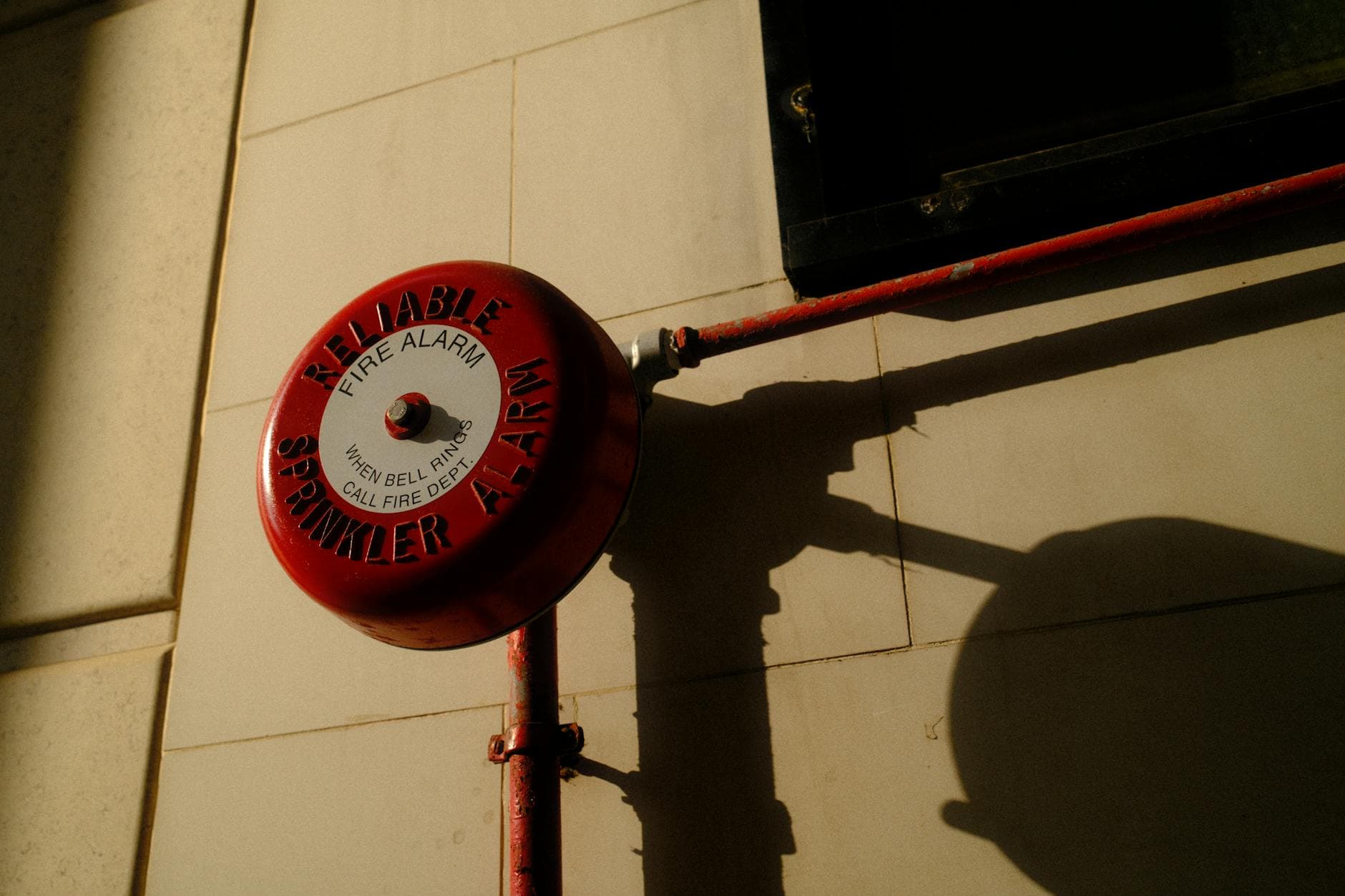
Flood and fire alarms need the same spring discipline
The same recommissioning logic applies to flood and fire detection. If the alarm is silent because the sensor is disconnected, the power feed is weak, or the unit has aged out, it will not help when a hose lets go or an electrical issue starts heating up behind a panel. Spring is the moment to verify that these systems still have power, still sound clearly, and still sit where they can detect water or smoke before the problem spreads.
That is where the hands-on value shows up for DIY owners. You are not just “checking alarms.” You are catching dead sensors, corroded connections, expired units, bad placement, and weak power supply before launch, while the boat is still easy to work on and the stakes are still controllable.
The reason this belongs in commissioning, not later
The Coast Guard’s boating safety materials do not treat CO as a niche concern. Its data says that in calendar year 2024, it verified 3,887 recreational boating incidents involving 556 deaths and 2,170 injuries. The same program has been coordinated since 1971 and says it has helped save an estimated 95,000 lives. Those numbers are a blunt reminder that boat safety systems are not decorative equipment, even when they sit quietly through the winter.
The warning is not abstract, either. Coast Guard safety circular material cites a September 2000 National Institute for Occupational Safety and Health study of Lake Powell houseboat deaths and a National Park Service investigation that found dangerous CO accumulations on houseboats with through-transom generator exhaust systems. That history is exactly why a spring alarm check is not just housekeeping. It is the moment when a boat goes from looking ready to actually being ready.
By the time the season gets busy, the quiet little failures are the ones you least want to discover. A 30-minute commissioning pass that makes the alarms talk, checks the exhaust path, and confirms the sensors are still trustworthy is the kind of dull work that keeps a sailboat from becoming a rescue case.
This article was produced by Prism’s automated news system from verified source data, official records, and press releases, then run through automated quality and moderation checks before publishing. The system is built and supervised by the people who set the standards it runs under. Read our full AI policy.
Did this article answer your question?