Tally Ho refit shows why hybrid sailboats need regular maintenance
A stray wire in Tally Ho’s hybrid drive is a reminder that electric propulsion only works when owners keep inspecting, replacing, and testing before launch.

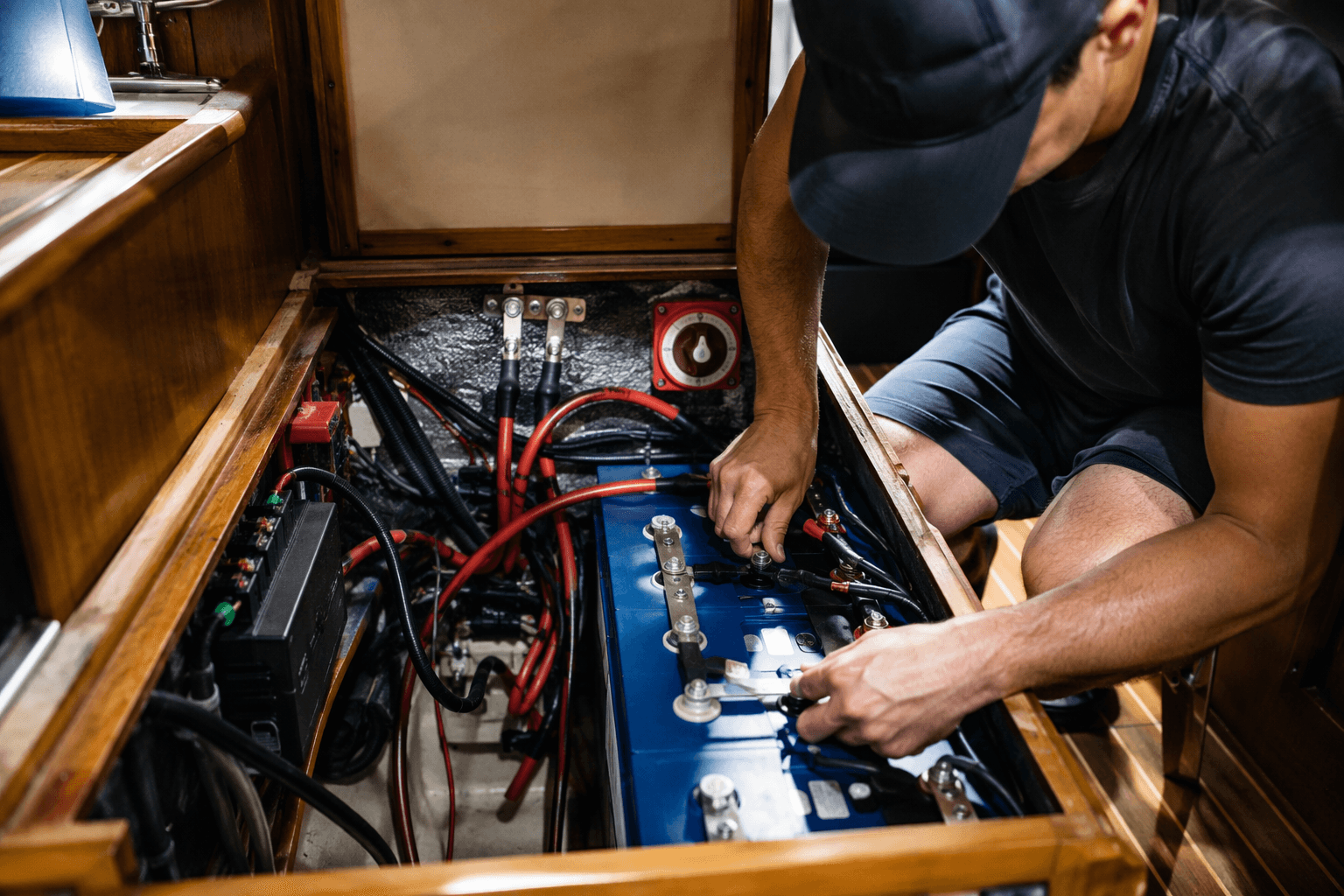
The crew tracing a cable on Tally Ho is stuck on a basic question: where does this wire go? The electric-drive repair puts that reality on display on a historic yacht that still has to go sailing with topsails, not just sit pretty at the dock.
The wire problem is the warning sign
On Tally Ho, that kind of uncertainty can strand a hybrid or electric system when it matters most, because a propulsion setup is only as reliable as the least obvious connection in the chain. On a boat that is being actively sailed and publicly refit, a small electrical mystery is a reliability checkpoint.
Historic Yacht Tally Ho has a dedicated project page titled “Repairing Tally Ho’s electric drive,” placing the work inside an ongoing maintenance narrative rather than a one-off fix. Sampson Boat Co’s public posts describe the boat’s hybrid diesel-electric system. The same rebuild is documented on the Sampson Boat Co YouTube channel, where the technical side of the project is part of the story.
Why hybrid propulsion demands more, not less, attention
The Tally Ho case shows what hybrid propulsion adds to a sailing project: batteries, controllers, wiring, cooling, drive units, and mechanical linkages all become part of the maintenance burden. In a conventional auxiliary setup, you are already watching fuel, cooling, belts, and starting gear; in a hybrid system, you add electrical dependency on top of the mechanical one. That is attractive for reduced noise, lower fuel use, and cleaner operation, but it also means there are more places for a fault to hide.
Proper maintenance and timely replacement of critical components help prevent unexpected failures. On a beautifully restored vessel, that is the rule that keeps a hybrid system usable offshore, where an older hull and heavy sailing loads can expose weak points fast. If a component is old, marginal, or hard to identify, it does not become safer because it still powers up in the berth.
What to inspect before you rely on the system
On a DIY electric or hybrid conversion, the Tally Ho lesson is to treat the whole propulsion train as one system, not a collection of separate gadgets. A healthy-looking motor does not matter much if the cable run is suspect, the controller is overheating, or a connector is brittle from age and vibration. The practical habit is to inspect, log, and replace before the next passage, especially when the boat is expected to move under mixed sail and engine power.
A useful predeparture routine looks like this:
1. Trace every wire and label every end, especially if a cable route is not obvious.
2. Check for chafe, corrosion, loose terminals, and heat discoloration.
3. Test the system under load, not just while the boat is sitting quietly at the dock.
4. Replace wear items before they hit end-of-life, rather than waiting for the first failure underway.
5. Keep a symptom log, so a minor oddity does not get forgotten between trips.
The haul-out lesson matters as much as the repair itself
Tally Ho has also been hauled out in a tropical boatyard, with maintenance routines adapted to life on land. Much of the real work on a hybrid system gets done ashore, with access, tools, and time. Once the boat is afloat and committed to a passage, the range of fixes narrows quickly, especially on a historic vessel that is balancing new propulsion against older structure and older habits of use.
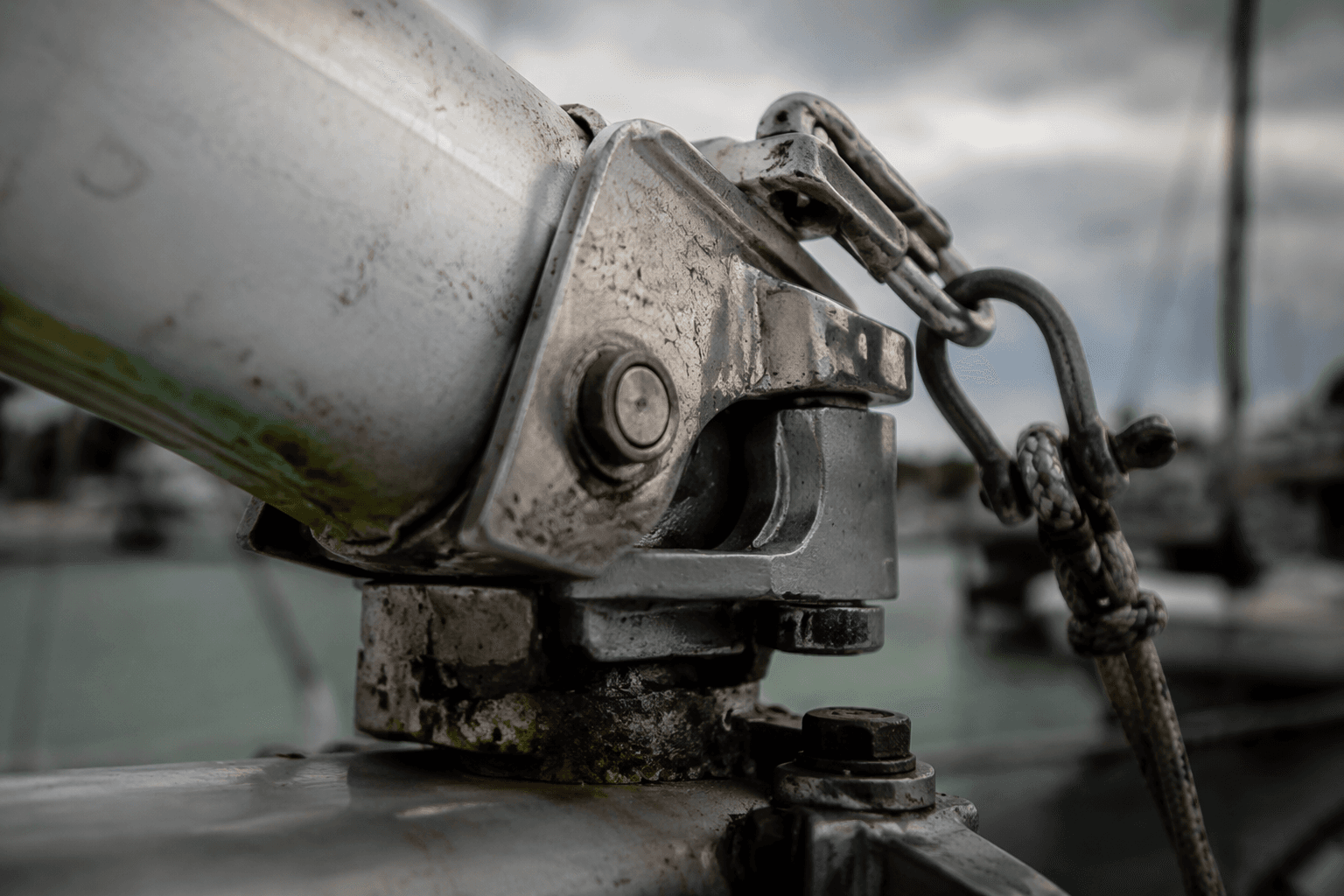
Brittle connectors, tired bearings, or suspect drive components are easier to deal with when the boat is on the hard than when you are trying to keep a schedule, keep charging, and keep the propulsive side of the boat from becoming the weak link.
A public rebuild turns maintenance into seamanship
Tally Ho is not a modern production cruiser where hidden systems can be ignored until the warranty runs out. It is a historic yacht whose engineering choices are visible and discussed, and Sampson Boat Co’s video record documents the repair work.
This article was produced by Prism’s automated news system from verified source data, official records, and press releases, then run through automated quality and moderation checks before publishing. The system is built and supervised by the people who set the standards it runs under. Read our full AI policy.
Did this article answer your question?