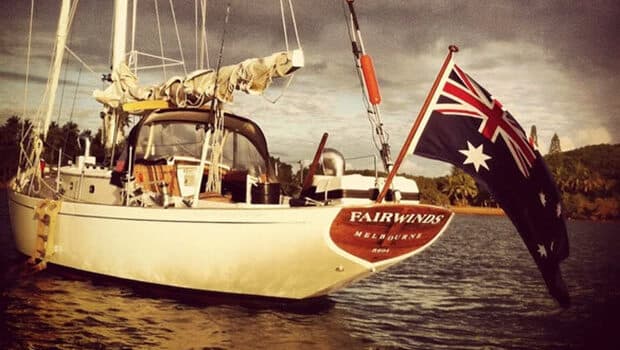
Unreliable masthead light forces costly replacement and mast climb
A flaky masthead light is not a bargain repair project. Once confidence is gone, replacement is often the safer, cheaper move before the next night passage.

When the masthead light stops being trustworthy
A masthead light that only works some of the time is not a minor annoyance anymore. On a cruising sailboat, it has crossed the line from a cheap fix into collision-avoidance equipment you have to trust in the dark, in fog, and every time a passage runs longer than planned.
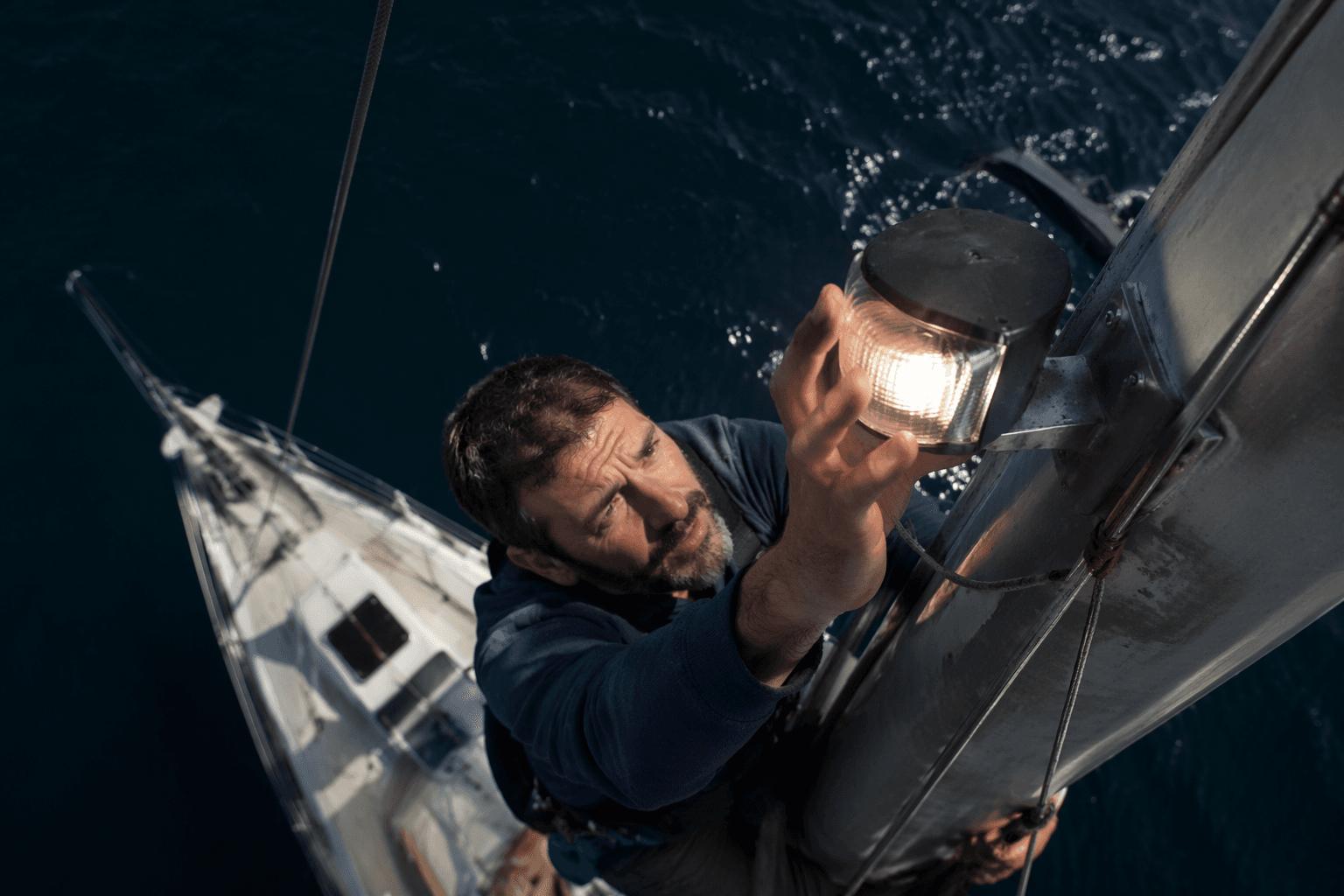
That is the hard lesson in Bill Kinney’s update for fetchinketch, where the light at the top of the main mast had already become unreliable enough that repair no longer felt like the right answer. The plan shifted to replacement, with another trip up the mast scheduled once the new fixture arrives. That is the real cost sailors know well: not just the price of the part, but the climb, the labor, and the risk of going aloft for a job you may have to repeat if the fix is only half done.
What the light is supposed to do
A masthead light is not decorative hardware. Under 33 CFR 83.21, it is a white light mounted over the fore-and-aft centerline of the vessel and showing an unbroken light over a 225-degree arc of visibility. That definition matters because navigation lights tell other boats what you are, how you are moving, and where to avoid you.
The rules are equally clear about when those lights must be on. COLREGs Rule 20 says the lights shall be complied with from sunset to sunrise. For a sailboat under sail, the exact required setup depends on the boat’s size and configuration, but the masthead light remains a core part of the system for many vessels. If the engine is engaged, the vessel is treated as a power-driven vessel and must show the powerboat light pattern instead.
The point is simple: if the fixture at the masthead is unreliable, the boat’s nighttime identity is unreliable too.
Why replacement often beats another patch
The temptation with an intermittent light is to keep chasing the cheap repair. Tighten a connector, clean a terminal, or hope the next outing confirms the fault was just a loose bit of wiring. That can work for a while, but a navigation light is one of the places where “works for now” is not the same as “safe for another season.”
The United States Coast Guard says recreational-vessel navigation lights must meet ABYC A-16 under 33 CFR 183.810, and it has warned that replacement lighting can be improper if it does not meet the technical certification requirements. In plain terms, a bargain fixture that looks right but lacks the proper standard is not a smart shortcut. The American Boat & Yacht Council also recommended compliance with A-16 for boats and related equipment manufactured or installed after July 31, 2017, and later expanded the framework with C-5 coverage for both incandescent and LED navigation lights.
That is where the false economy shows up. A half-working repair can leave you with a light that fails at the wrong time, and a noncompliant replacement can create a second problem before you even leave the dock.
A practical decision tree before you send someone aloft
If the masthead light is acting up, use the fault itself to decide whether repair still makes sense.
- Corrosion is visible: if you see green terminals, rust, cracked seals, or water intrusion at the fixture, replacement starts to look smarter than another cleaning session. Corrosion at the masthead is often a sign the whole assembly has aged out, not just one contact.
- Wiring fatigue shows up when the mast moves: if the light cuts out only when the mast flexes or the rig vibrates, the problem may be fatigue in the wiring or a failing connection. That is the moment to ask whether the internal cable run is still worth trusting, especially if the boat is headed offshore or the masthead is hard to access.
- The plan includes an LED change: if you are converting from incandescent to LED, do not assume any bright white fixture will do. ABYC’s newer C-5 framework recognizes both incandescent and LED navigation lights, but compatibility still matters, especially if the existing wiring, switchgear, or voltage delivery is marginal.
- The climb is already a major effort: if the mast is tall, the conditions are poor, or the crew will need special gear just to get one person up there safely, the labor cost alone can outweigh the savings of a temporary fix. If you have to go aloft twice, the “cheap” repair gets expensive fast.
- You need certainty before a cruise or night passage: if the next trip depends on trusted lights, the safer choice is the one that removes doubt. A masthead fixture that no longer inspires confidence is already costing you something.
Tests worth running before you commit to the climb
Before anyone commits to going aloft, run the simplest checks first. Power the light on at the dock and make sure it works continuously, not just once. Then flex the cable gently, cycle the switch, and see whether the fault appears when the system moves or warms up. If the problem is intermittent, that wiggle test can be the difference between finding a loose connection on deck and discovering a dead fixture 50 feet up.
It also helps to compare the suspect light with any other navigation light on board, because a masthead problem may point to a power supply issue rather than the fixture alone. If the fixture is dim, flickering, or inconsistent under steady power, replacement becomes the more reliable answer. The goal is not just to make it glow again, but to make it dependable enough to trust when visibility drops and the rules say the lights have to be on.
The larger rulebook behind one small fixture
The masthead light sits inside a much bigger collision-avoidance system. The International Maritime Organization says COLREGs is organized into 41 rules divided into six parts, which is a good reminder that even one failing light belongs to a formal safety structure, not an optional convenience. That is why a small electrical issue at the masthead can carry outsized consequences for a cruising boat.
When a fixture has become unreliable, the best maintenance decision is often not the cheapest one. Replace the part, prove the system, and climb once with confidence instead of twice with doubt.
This article was produced by Prism’s automated news system from verified source data, official records, and press releases, then run through automated quality and moderation checks before publishing. The system is built and supervised by the people who set the standards it runs under. Read our full AI policy.
Did this article answer your question?