Why spring lines make docking safer and easier
A spring line can hold the boat steady when wind, current, or boat traffic wants to shove it off target. Used correctly, it turns a shaky dockside arrival into a controlled landing.
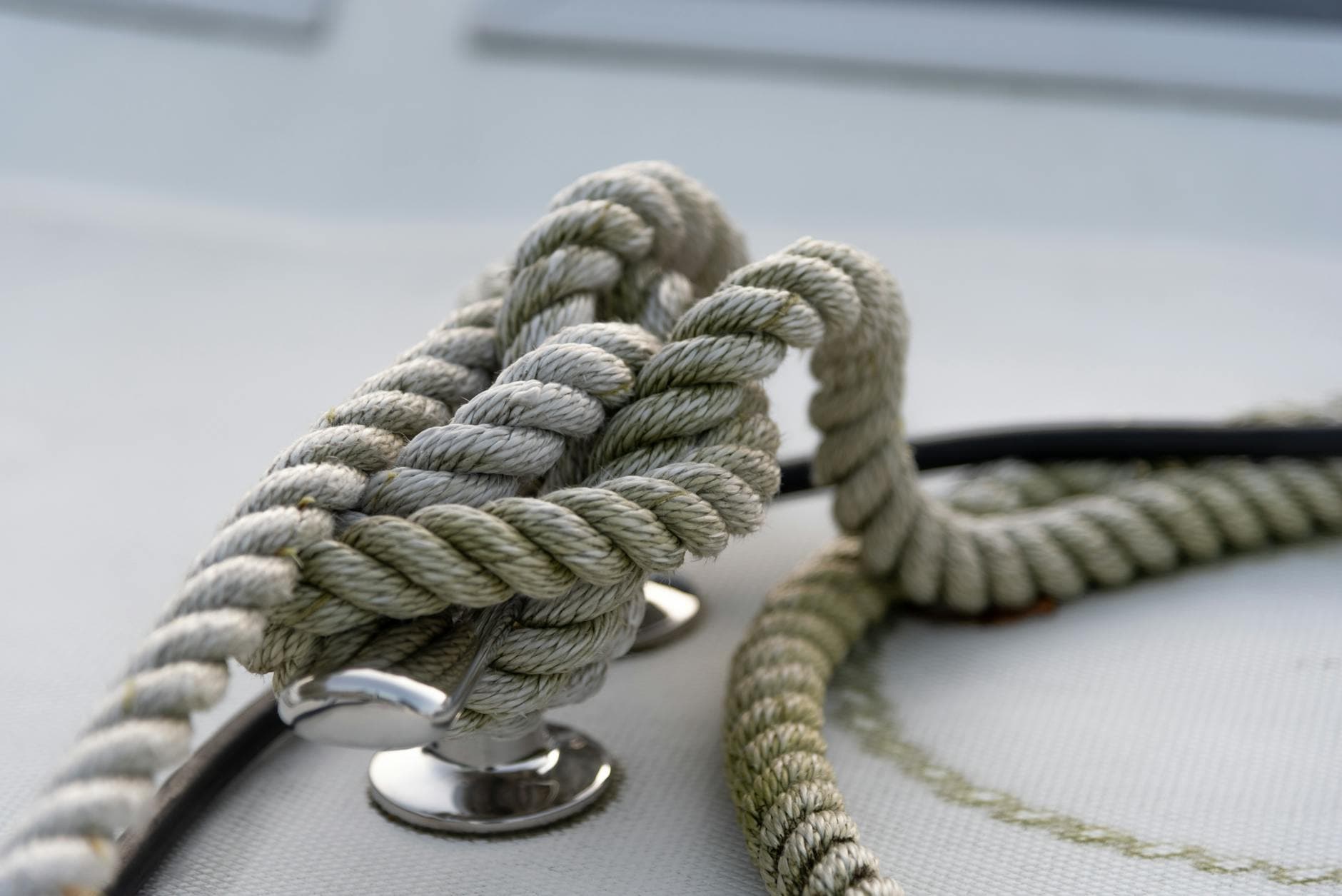
Spring lines are the quiet control tool you reach for when the dock gets tight
The final few feet beside a dock are where good seamanship pays off. A spring line gives you control over a boat’s fore-and-aft movement, which is exactly what you need when wind, current, and nearby traffic start trying to move the hull after the approach is already made.
That is why spring lines matter most in side-to berths and other close-quarters situations. The boat is already near the dock, but the job is not finished until it is held in position, settled enough for crew to step off, and secured without surging away or drifting into the next boat.
What a spring line actually does
Merriam-Webster defines a spring line as a line led diagonally from the bow or stern to a wharf or dock point to keep a vessel from moving fore and aft. That diagonal lead is the whole point. It is not there just to make the boat look tied up, it is there to check movement along the dock while the rest of the lines do their work.
That distinction matters because a spring line works best as part of the full dockline setup, not as a substitute for it. Used deliberately, it can hold the boat in place long enough to make boarding safer, reduce load spikes on fenders, and keep the skipper from fighting a hull that wants to slide ahead or astern at the worst possible moment.
The term itself is hardly new. Merriam-Webster traces the first known nautical use of “spring line” to 1801, which says a lot about how long sailors have relied on the same basic solution for the same docking problem.
Why the spring line becomes a lifesaver in real marinas
BoatUS points out that docking decisions should account for where you intend to tie up, where other boats are, the wind, and to a lesser extent the current. That is the reality in crowded marinas, where even experienced boaters find close-quarters maneuvering much harder once the breeze fills in or the tide starts to run.
The advantage of the spring line is that it gives you something predictable to work with when the environment is anything but predictable. Wind and current continue to act on the hull after the boat is secured, and United States Power Squadrons training materials stress that this is exactly why spring lines are extremely important. They keep the boat from wandering fore and aft while the rest of the lines are set.
That is also why the technique is useful beyond the landing itself. When you are teaching crew or family members, the spring line can turn a messy arrival into a controlled landing, because it creates a stable boat before anyone is asked to step off, fend off, or haul in another line.
The mistakes that make beginners think spring lines do not work
Most spring line failures are really placement failures. If you lead the line in a way that does not create a diagonal hold between the boat and the dock point, you lose the fore-and-aft control that makes the line useful in the first place.
Another common mistake is treating the spring line like an afterthought. The line works best when it is used deliberately alongside bow and stern lines, with fenders already in place and the boat stopped well away from the dock so you can assess drift before committing the hull.

Boat Ed recommends that approach for a reason. Stop the boat well away from the dock, check how it is drifting, and if possible approach into the wind or current, whichever is stronger. That gives the spring line a manageable job instead of asking it to rescue a bad approach angle or an uncontrolled last-second surge.
How to use it while docking
The practical setup is straightforward. Have your bow and stern lines ready before you make contact, and get the fenders in place first. Once you are alongside, the spring line can hold the boat temporarily while the other lines are secured, which is especially useful when wind and current keep pressing on the hull.
In side-to dockage, the spring line is often the line that keeps the boat from sliding out of position while the crew handles the rest. That is why it belongs in the same conversation as safe boarding and controlled stopping, not in a separate bucket of “advanced tricks.” It is a simple piece of seamanship with a big job: hold the boat where you put it.
The value is practical from the first use. You reduce stress on cleats, you reduce the violence of load changes on the fenders, and you give yourself a calmer boat to finish tying up. For short-handed crews, that can be the difference between a clean arrival and a docking that turns into a scramble.
Using a spring line to depart cleanly
Spring lines are not only about arriving. BoatUS notes that when conditions favor pulling out and moving ahead, a long spring line can be run from a cleat astern to a piling or cleat forward of the boat. That setup lets the boat pivot and move away under control instead of simply breaking free and hoping the wind or current is kind.
United States Power Squadrons training materials reinforce that departure skill by listing “Leave a Dock or Slip (Bow, aft, spring line)” as a standard inland navigator task. In other words, this is not a niche trick for special situations. It is a core close-quarters maneuver that belongs in the same skill set as tying up.
That matters because leaving a slip safely can be just as tricky as entering one. If wind or current is pushing you toward the dock, the spring line gives you a controlled way to create separation and keep the boat from scraping or drifting into a neighbor as you get clear.
The bottom line for DIY sailors
A spring line is one of those pieces of dockside seamanship that looks simple until you need it. Led diagonally from bow or stern to a dock point, it keeps the boat from moving fore and aft, which is exactly what makes docking safer, boarding calmer, and departure more controlled.
When the dock is crowded, the breeze is up, or the current refuses to sit still, the spring line gives you a way to turn a nervous landing into a predictable one. That is why experienced hands keep treating it as a standard part of the system, not an optional extra, and why the smartest place to learn it is in the real conditions where a boat actually has to stay put.
This article was produced by Prism’s automated news system from verified source data, official records, and press releases, then run through automated quality and moderation checks before publishing. The system is built and supervised by the people who set the standards it runs under. Read our full AI policy.
Did this article answer your question?


