wifi gateways let sailors use phones for navigation on a budget
A cheap Wi-Fi gateway can turn older instruments into phone-friendly nav, but the best DIY pick depends on whether you need simple data out or two-way control.
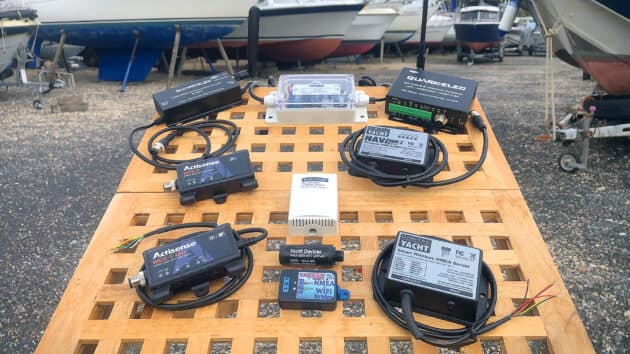
A small Wi-Fi gateway can do a big job on an older boat: feed live NMEA data to your phone or tablet without replacing the whole nav suite. For many owners, that is the sweet spot between a tired chartplotter and a full electronics refit, especially when the goal is better cockpit usability rather than a complete overhaul.
Why this budget upgrade is catching on
The Practical Boat Owner test set out to answer a very familiar question in the Sailing DIY world: how do you make existing instruments more useful without spending a fortune? Its gateways were judged on ease of connectivity and signal strength, which is exactly where these upgrades succeed or fail in real use. If setup is awkward or the wireless link is patchy, the bargain quickly stops feeling like one.
That matters because a gateway does more than just mirror data. It can receive NMEA information from onboard instruments and rebroadcast it wirelessly to phones, tablets, or laptops. In some setups, it can also send waypoints and routes back to an autopilot, which turns it from a one-way display trick into a genuinely useful network bridge.
The protocol question under the surface
The real value of these devices becomes clearer once you look at the standards behind them. The National Marine Electronics Association says NMEA 0183 is a 4,800-baud serial standard built around one talker and multiple listeners. It is simple and familiar, but it is also limited by its slower, older architecture.
NMEA 2000 is a different world. It uses a 250,000-bd CAN-based backbone with a more plug-in style of networking, which makes it much easier to add and share devices across the boat. For owners of mixed systems, that difference is why gateways matter so much. They bridge older talkers and listeners with newer backbone networks, so you can keep useful kit in service instead of ripping it all out.
That is the practical retrofit case in one sentence: if your boat still has solid legacy instruments but you want modern screen access on a tablet or phone, a gateway can translate between the old serial world and the newer networked one.
What the main budget gateways are doing well
Actisense’s WGX-1 is aimed squarely at this mixed-fleet problem. It can transfer data from an NMEA 2000 backbone to a device connected by Wi-Fi, including a laptop, tablet, or smartphone, and it can convert data bidirectionally between NMEA 0183 and NMEA 2000. The WGX-1-ISO version goes a step further by adding NMEA 0183 input and output to the Wi-Fi gateway, which makes it especially relevant if your boat still leans on older instruments.
Yacht Devices takes a similar approach but emphasizes easy display access. Its NMEA 2000 Wi-Fi Gateway can show vessel course, speed, position, wind, depth, and AIS messages on a PC or smartphone. It also creates its own Wi-Fi network with about 30 metres range in open spaces, or it can join an existing Wi-Fi network. For a DIY install, that flexibility is valuable because it lets you choose between a self-contained setup and a gateway that plugs into the boat’s wider wireless environment.
Those differences matter in the cockpit. If you want quick visibility on a tablet at the nav table, either style can work. If you want a more integrated system that shares data smoothly across devices, the ability to join an existing network can reduce clutter and make the boat feel more coherent.
Where the tradeoffs really sit
Cheap integration is attractive, but reliability is what makes it usable. A gateway that is easy to connect but weak on signal strength can become one more frustrating box in a crowded electronics locker. That is why the test’s focus on connectivity and signal strength is so useful: those are the two factors that decide whether the upgrade feels slick or merely cheap.
There is also a difference between sending data out and controlling systems back in. If all you want is wind, depth, AIS, and position on a phone, the job is straightforward. If you want bidirectional control, such as feeding routes or waypoints back to an autopilot, you need to be much more careful about compatibility, protocol matching, and how the gateway handles a mixed NMEA 0183 and NMEA 2000 setup.
For many owners, the best compromise is not the most feature-packed box, but the one that fits the boat’s existing network cleanly. A simple NMEA 2000 backbone with Wi-Fi output may be enough on a newer boat. On an older one, the extra NMEA 0183 input and output on a unit like the WGX-1-ISO can save a lot of headaches.
Why the broader navigation guidance backs this up
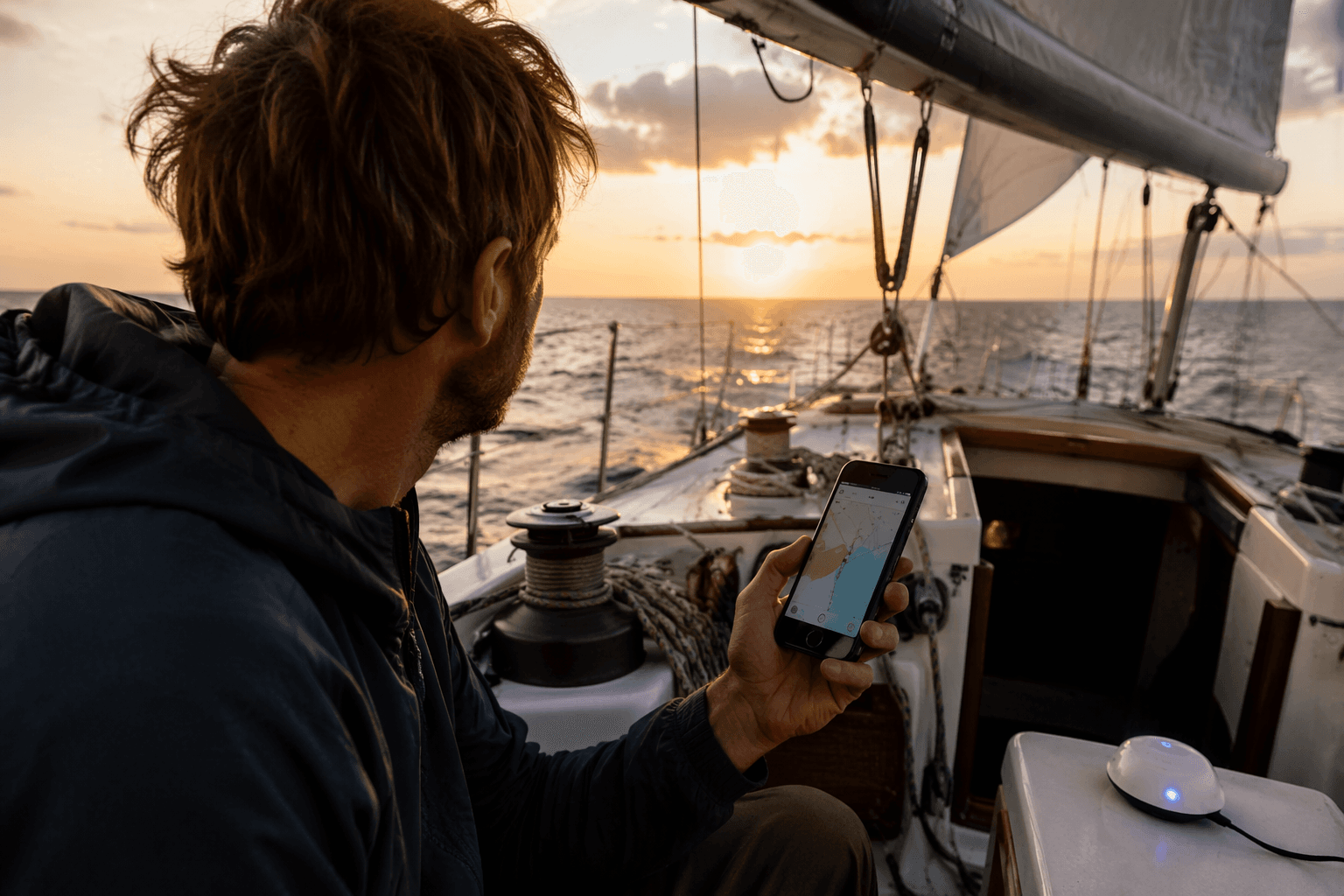
This shift is not happening in isolation. The Royal Yachting Association says the way people navigate has changed dramatically, and many sailors and motorboaters now regard electronic instruments as their primary choice for navigation. That helps explain why Wi-Fi gateways are moving from niche accessory to practical upgrade.
At the same time, the RYA is clear that mobile phones are not designed for the marine environment and that coverage may be absent when you need it most. That is the key balance for anyone using a phone as a nav screen: a gateway can make the phone far more capable, but it does not turn the phone into the only system that matters.
The Royal Institute of Navigation’s Electronic Navigation Systems booklet, produced with the RYA, the Maritime and Coastguard Agency, the RNLI, the Pilotage Foundation and Trinity House, underlines the same point. The aim is to help skippers use electronic aids safely and understand the strengths and weaknesses of different systems. Add in the Maritime and Coastguard Agency’s new 2024 guidance for safe navigation in the digital age, and the direction of travel is obvious: digital tools are central now, but they still need to be used with proper judgement.
The practical takeaway for DIY owners
If you are trying to stretch an older electronics fit, a Wi-Fi gateway is one of the smartest small upgrades you can buy. It can extend the life of existing instruments, put useful data on devices you already own, and give you a cleaner bridge between legacy NMEA 0183 gear and modern NMEA 2000 networks.
That is why the best budget gateway is not simply the one with the lowest price. It is the one that connects cleanly, holds its signal, and matches the way you actually sail. For owners who want better nav capability without a full refit, that is a rare upgrade that earns its keep the first time the old chartplotter stays in place and the tablet becomes the screen you actually want to use.
This article was produced by Prism’s automated news system from verified source data, official records, and press releases, then run through automated quality and moderation checks before publishing. The system is built and supervised by the people who set the standards it runs under. Read our full AI policy.
Did this article answer your question?