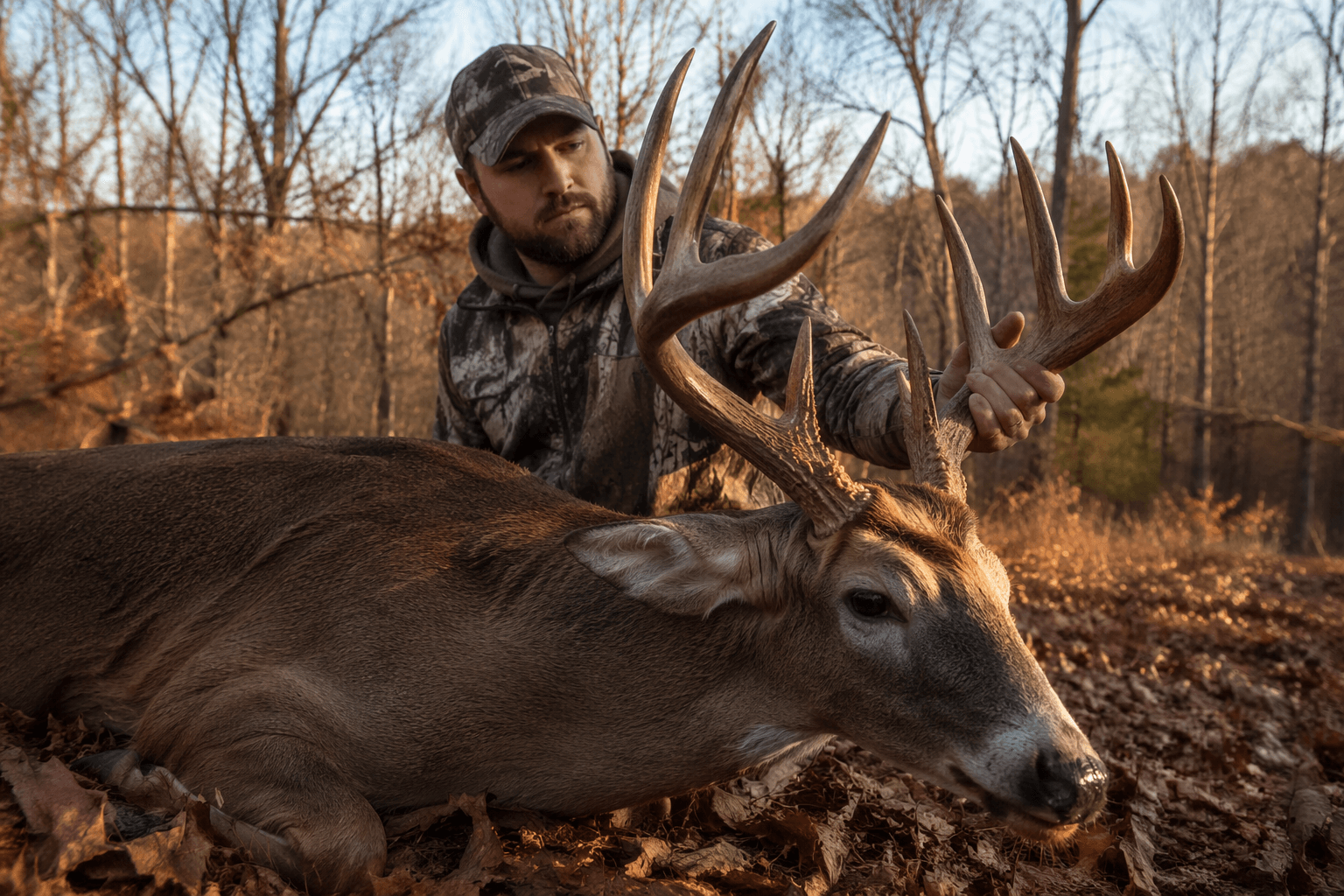
How to find deer sheds without stressing winter wildlife
Read the winter map, not just the woods. The best sheds come from deer trails, pinch points, and patient timing that keeps stressed wildlife out of harm’s way.
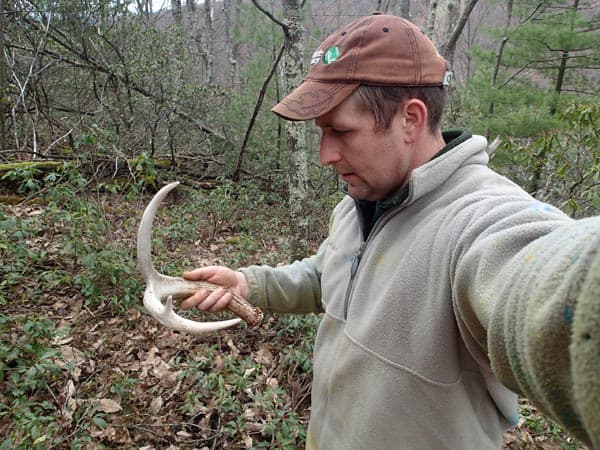
The best shed hunters do not start by marching deeper into the timber. They start by reading winter survival, then moving only where deer already want to travel. That approach puts antlers within reach while keeping pressure off animals that are still burning energy through the late-winter recovery period.
Start with the calendar, not the truck
Timing is the first ethical edge in shed hunting. Colorado Parks and Wildlife prohibits shed antler and horn collection on all public lands west of I-25 from January 1 through April 30, a restriction built to reduce stress on wintering big game such as deer, elk, pronghorn, and moose. Oregon Department of Fish and Wildlife advises waiting until May or June, when most deer are moving off winter range, and Idaho Fish and Game warns that late-winter shed hunting can have deadly implications for animals already weakened by winter.
That advice lines up with deer biology. The U.S. Fish & Wildlife Service says male white-tailed deer shed sometime between late winter and early spring, and general deer references place the typical window roughly from January through March, sometimes into April, as testosterone falls after the rut. In practical terms, white-tailed deer can drop antlers as early as mid-January, but March and April are the sweet spot for whitetails, while mule deer and elk usually call for a later start, often mid-April or May.
Read the terrain deer already use
Once the season opens, you gain more by learning travel than by covering miles. Deer tend to reuse the same runways, especially in spring, and antlers are most likely to turn up where movement is concentrated. Fences, brush, branches, and other pinch points matter because a loosened antler can catch, bump, and drop in those tight spots.
That makes the search more about pattern recognition than random wandering. Look for the same corridors deer use to move between wintering cover and nearby habitat, then slow down where the landscape narrows. A small, accessible patch of public forest can be productive if it sits on a repeated route, while open ground that looks easy to walk may hold little if deer rarely cross it.
Learn the biology behind the shed
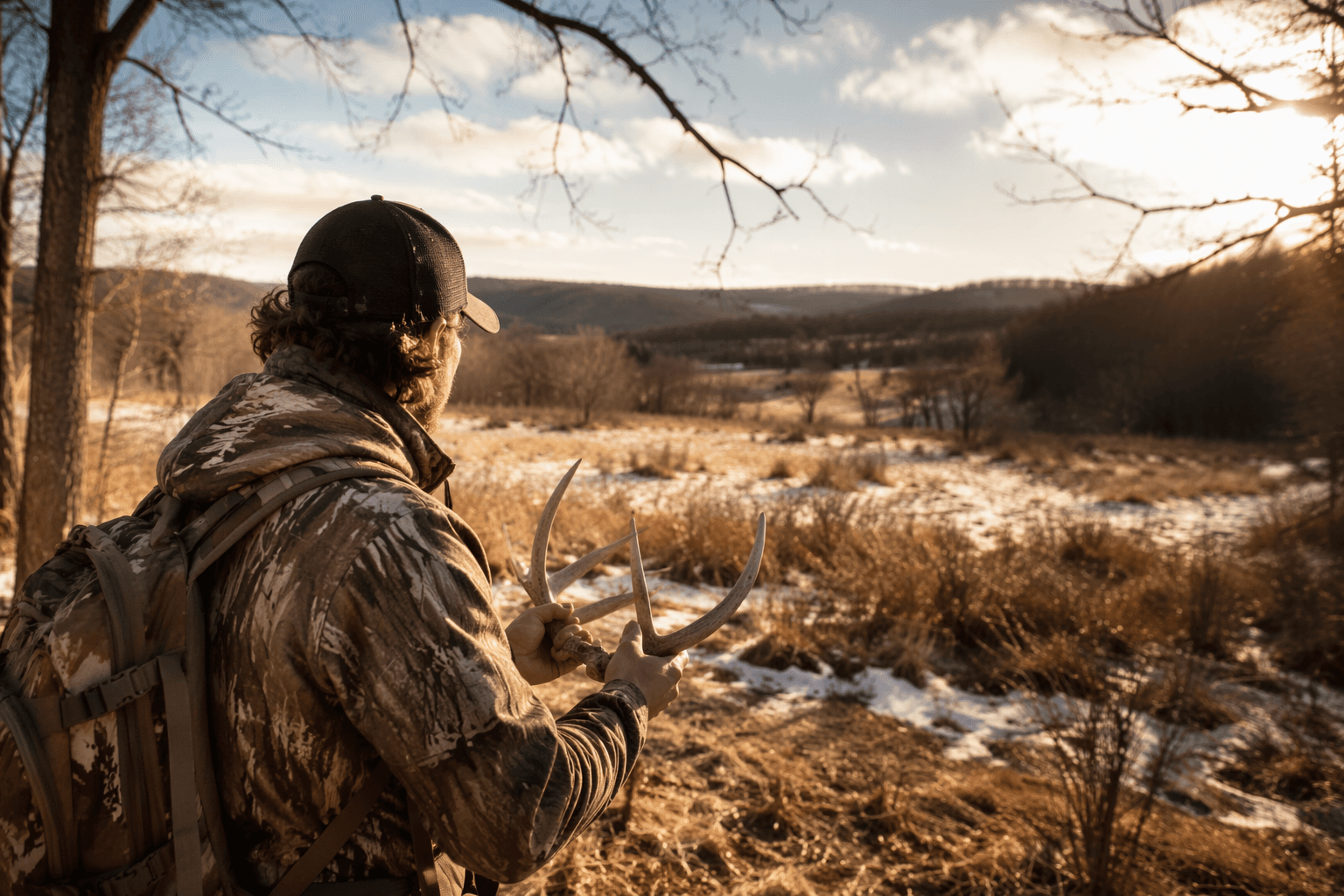
The deeper you understand deer behavior, the better your odds get. Valerius Geist, described in a recent academic tribute as a world-renowned deer biologist and major contributor to deer conservation, is a strong reference point for that kind of thinking. Leonard Lee Rue III and Joe Hutto’s PBS Nature work, Touching the Wild, also push the same lesson: antlers are not random debris, they are part of a seasonal system built around habitat, movement, and survival.
That perspective changes how you hunt sheds. Instead of chasing every open hillside, you start asking where deer fed, where they bedded, and where they had to move through constricted terrain. The better you read the animal, the less ground you waste and the less likely you are to turn a recovery period into a disturbance event.
Keep pressure off wintering animals
The welfare side of shed hunting is not a side note. Oregon Department of Fish and Wildlife specifically warns that late-winter shed hunting, especially with dogs, can stress big game animals when they are most vulnerable. Idaho Fish and Game makes the concern even sharper, noting that wintering big game animals are very susceptible to disturbance.
That means the low-impact habits matter as much as the search image. Keep your pace quiet, avoid pushing into the heart of winter range before the season window opens, and think twice about bringing a dog into heavy cover when deer and elk are still trying to conserve calories. If you bump animals, you are in the wrong place at the wrong time, even if the antlers are nearby.

Know the rules before you step onto public ground
Shed hunting has become formalized enough that the rules now vary by place, not just by season. On national wildlife refuges, removing shed antlers is generally illegal, and the U.S. Fish & Wildlife Service points to Wyoming’s National Elk Refuge as a specific exception, where the local Jackson District Boy Scouts collect antlers under a special use permit for an annual auction. That auction has grown into a 59th-anniversary tradition in Jackson, Wyoming.
That example says a lot about where shed hunting sits today. It is not just a spring hobby, it is part of wildlife management, public-land regulation, youth fundraising, and local tradition all at once. If you are hunting sheds on public land, the first question is not how far you can walk, it is what the land manager allows and what the animals can handle.
Walk the woods like a steward
The most successful shed hunters think in layers: species timing, winter range, travel corridors, and the obstacles that make a dropped antler likely. They know white-tailed deer can shed from mid-January into early spring, but they also know Colorado’s January 1 to April 30 closure west of I-25 exists for a reason, and that Oregon and Idaho both push hunters to wait until the animals are less vulnerable. That is the difference between collecting antlers and pressing wildlife.
When you put the calendar, the terrain, and the deer’s recovery needs together, the search gets cleaner and more rewarding. You find sheds by following the animals’ routes, not by forcing them to make new ones, and the woods stay quiet enough for winter herds to make it through.
This article was produced by Prism’s automated news system from verified source data, official records, and press releases, then run through automated quality and moderation checks before publishing. The system is built and supervised by the people who set the standards it runs under. Read our full AI policy.
Did this article answer your question?