Shed finds guide North Carolina hunter to years-long buck chase
A pair of sheds turned Johnny from a mystery buck into a years-long target, and Kasey Ferguson’s Dec. 8 harvest shows how offseason clues become a hunt plan.
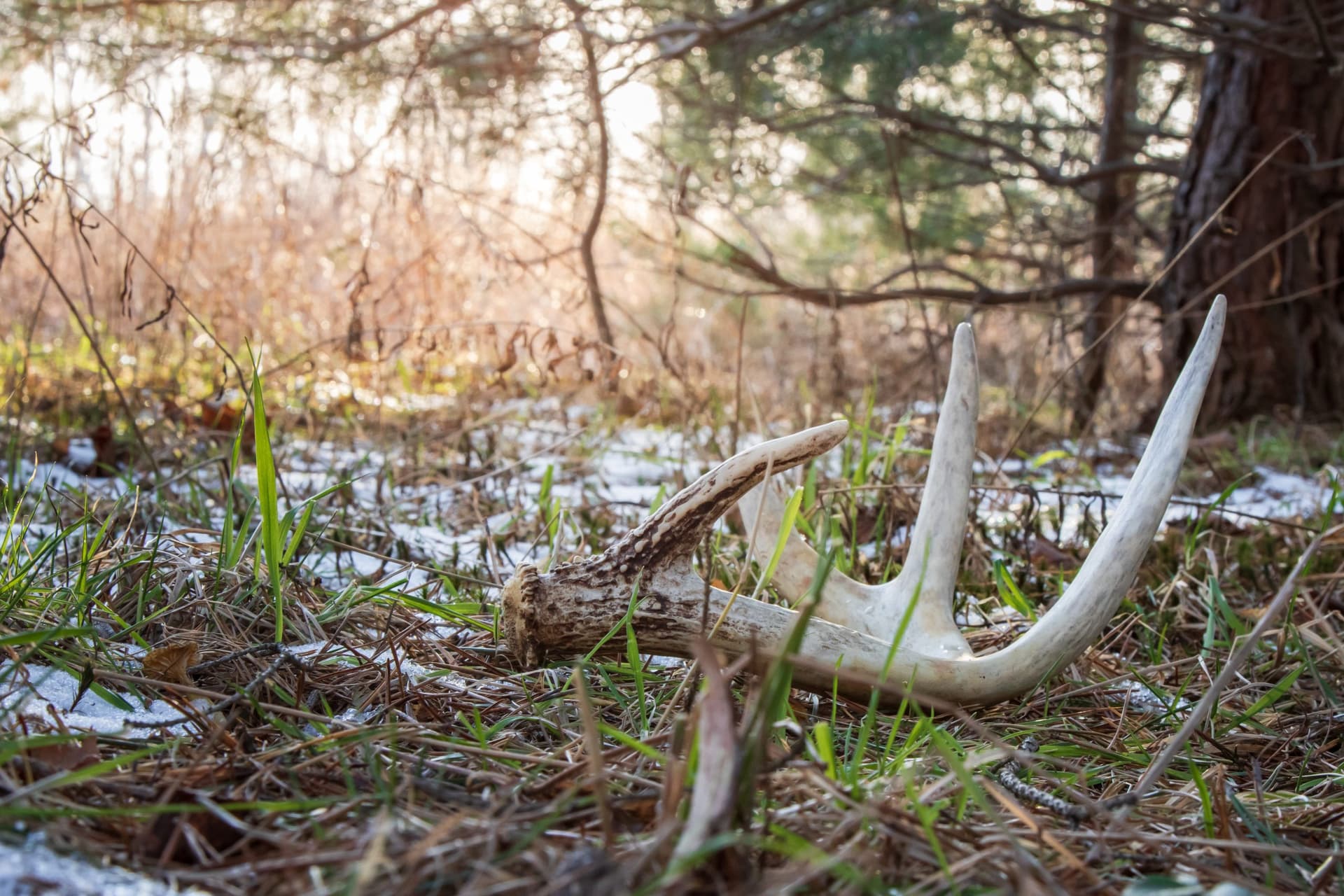
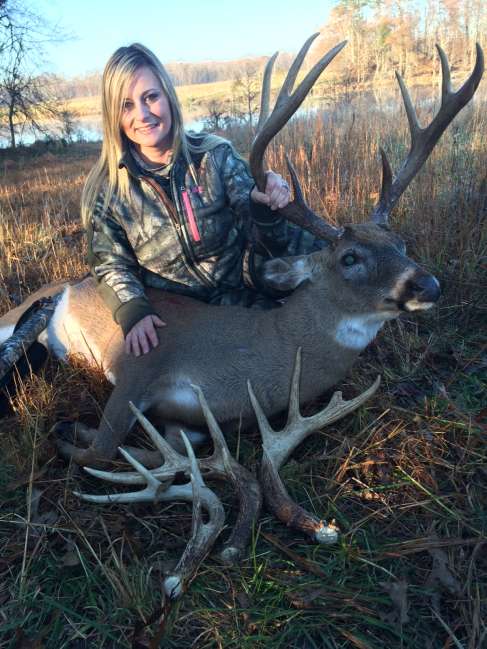
A pair of shed antlers turned Kasey Ferguson’s mystery buck into a named target, then into a years-long chase that ended with a Dec. 8 harvest on a small farm straddling Alamance and Randolph counties. Ferguson and her husband used one right-side shed one year and the matched pair the next to confirm the deer lived on their ground, then built their plan around the buck they called Johnny.
From one shed to a full picture
The first find mattered because it confirmed the deer was real, present, and using the property. The second season’s matched pair turned that hunch into something much stronger, giving the couple a full view of the buck’s frame and leaving no doubt that the same animal had survived another year. In shed hunting terms, the antlers became inventory, not souvenirs.
That is what makes this story useful beyond the harvest photo. A single shed can tell you a buck passed through; a matched set can tell you he made it through the season, held the area, and added enough antler to be worth building a fall strategy around. Ferguson’s experience shows how a careful keeper of sheds can move from guessing to tracking.
Why Johnny became a long-term target
Once the pair of sheds was in hand, Ferguson decided she wanted to harvest that deer. The buck earned the nickname Johnny, taken from the previous landowner, and from there he became a specific goal on a small private farm instead of just another deer on camera. That kind of naming matters in a shed-to-hunt system because it turns abstract trail-cam photos and scattered antlers into one identified animal with a history.
Johnny did not make the chase easy. He stayed cautious, moved mostly at night and very early in the morning, and kept the hunt frustrating enough to stretch across multiple seasons. Ferguson kept after him anyway, and she also passed other deer rather than press the ground too hard and risk pushing him off the farm.
What the timeline says about shed hunting
The sequence is the lesson. First came the right-side shed from a buck Ferguson and her husband already had on camera. The following year they found the complete pair, and that changed the way they hunted the property because the sheds gave them confidence they were tracking the right deer across seasons.
For shed hunters managing their own ground, that timeline suggests a simple approach:
- Keep each shed tied to a date, a place, and a camera picture if you have one.
- Treat a matched pair as a full profile, not just a lucky pickup.
- Revisit the same bedding edges, travel lanes, and feeding areas the next winter and spring to see whether the buck returns.
- Use the antlers to decide whether a deer is worth a season of patience or a quick one-and-done shot.
Ferguson’s chase shows how a shed pile can become a property ledger. One antler confirms presence, two antlers confirm continuity, and both together can shape the decision to wait for a harvest opportunity that fits the buck, not just the calendar.
Why the harvest felt bigger than the shot
Ferguson described the process as surreal and bittersweet, and that tracks with the kind of emotional weight shed hunting can carry when it runs for years. Her husband was part of the find-and-watch routine from the start, and the hunt only became more meaningful because the family had spent so much time seeing the deer, finding the sheds, and talking about what he was doing long before the shot was ever taken.
That emotional layer is part of the value in a good shed system. When you build a memory bank around a buck, the harvest is no longer a random end point. It becomes the last chapter of a story that already has seasons, sightings, and antlers attached to it.
How to use the same playbook on your own ground
Ferguson’s hunt offers a practical model for anyone trying to turn shed finds into a long-term inventory. Start by treating every shed like data, not just a trophy. A side, a location, and a date can tell you where a deer survived winter and where he is likely to show up again when the next season opens.
The other key is discipline. Ferguson did not blow up the property chasing every deer that stepped out. She stayed selective, let other animals walk, and kept Johnny from getting pressured out of the picture before she had a clean chance at him. That patience is what turns offseason scouting into a real strategy instead of a one-weekend hope.
North Carolina tools that keep the trail honest
North Carolina gives hunters a way to back up what they are seeing on the ground. The North Carolina Wildlife Resources Commission handles deer harvest reporting through the Go Outdoors North Carolina app and other methods, so a finished hunt can be recorded cleanly after the season ends. Its county harvest pages also track totals for places like Alamance and Randolph counties, which helps put a single buck chase in the context of the broader deer herd.
The commission’s hunter toolbox also addresses a common point of confusion, whether a deer should be tagged as antlered or antlerless, and that matters when hunters are trying to stay organized while managing a target buck over multiple years. Season timing matters too. In North Carolina’s Western Antlered Deer Season, archery ran Sept. 13 to Nov. 14, 2025, and gun season ran Nov. 29, 2025 to Jan. 1, 2026, which puts a Dec. 8 harvest squarely inside the main hunting window.
Ferguson’s success also fits her broader profile as a serious deer hunter. She already won a 2026 Dixie Deer Classic non-hunting typical division with a 152 1/8-inch Alamance County buck at the North Carolina State Fairgrounds in Raleigh, and that kind of resume explains why the Johnny hunt was built on patience, memory, and exact identification instead of wishful thinking.
That is the real takeaway from the shed trail that started it all: one antler can be a clue, two can become a map, and a well-kept shed history can carry a buck from winter bedding cover all the way to a finished harvest on the calendar months later.
This article was produced by Prism’s automated news system from verified source data, official records, and press releases, then run through automated quality and moderation checks before publishing. The system is built and supervised by the people who set the standards it runs under. Read our full AI policy.
Did this article answer your question?