March shed hunting puts elk and mule deer survival at risk
March sheds come at the cost of winter fat, and Utah, Wyoming, Colorado and Idaho have all tightened rules to keep elk and mule deer on critical range.
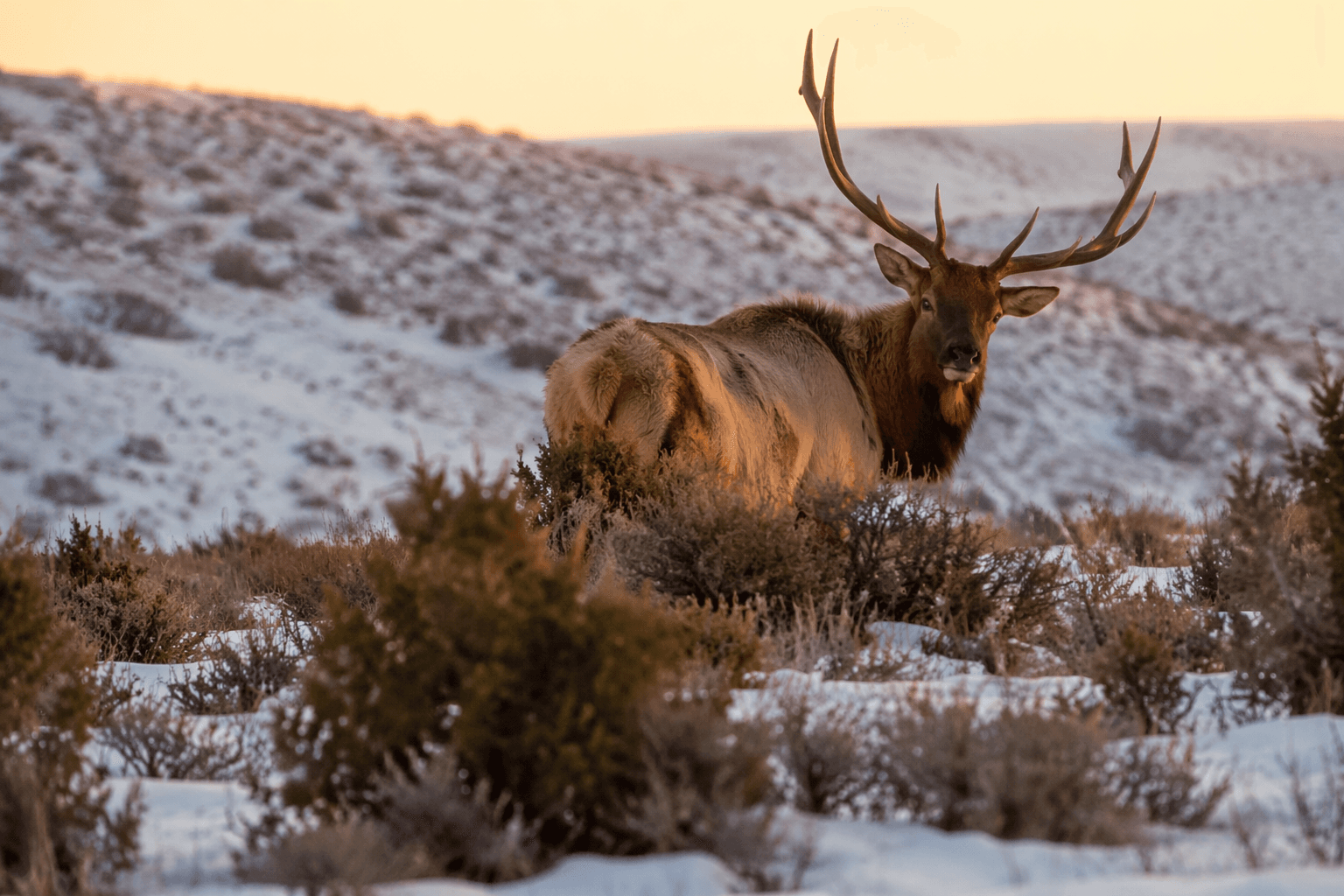
By late winter, elk and mule deer have mostly body fat left, not forage, and every extra move off winter range can burn reserves they cannot easily replace before spring green-up.
Research from the University of Wyoming Monteith Shop shows that late-winter body fat in mule deer does strongly predicts whether pregnancies carry to term and how well fawns survive.
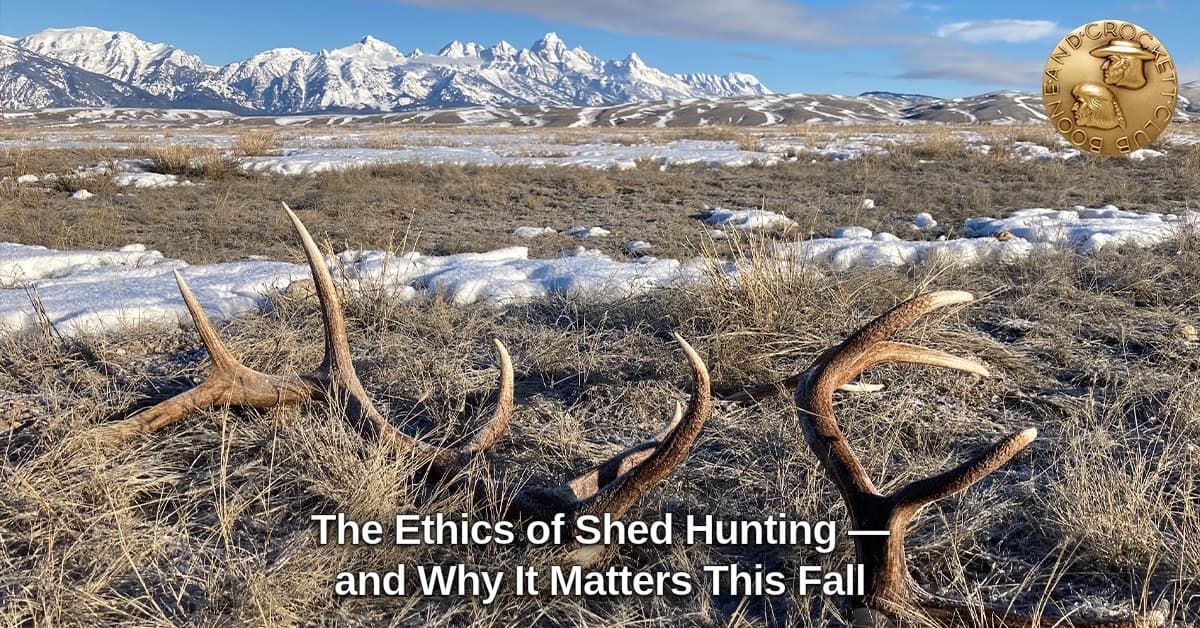
Shed hunting rules are tightening across the West. A 2021 Western Association of Fish and Wildlife Agencies briefing paper linked shed hunting to the dog-chew and antler market, with hunters traveling state to state to chase opening days. In Utah, anyone collecting shed antlers from January 1 through May 31 must complete a free Antler Gathering Ethics Course and carry proof of completion in the field. The Utah Wildlife Board extended that requirement beyond the earlier February 1 through April 15 window to better protect wildlife in late winter and early spring.
Public lands west of the Continental Divide have been closed to shed antler and horn collection from January 1 through April 30 since 2009, and Wyoming Game and Fish keeps its 44 wildlife habitat management areas closed until listed opening dates to minimize disturbance and protect habitat from resource damage. Colorado Parks and Wildlife uses the same calendar on a large chunk of country, prohibiting shed antler and horn collection on all public lands west of I-25 from January 1 through April 30 to reduce stress on wintering deer, elk, pronghorn and moose.

On July 1, 2024, nonresidents must have a valid Idaho big game hunting license before searching for, collecting, possessing or transporting shed antlers or horns from deer, elk, moose or pronghorn. Idaho Fish and Game's season-setting process weighs wildlife population assessments, management-plan objectives and thousands of public comments. In Wyoming, Deputy Chief of Wildlife Justin Binfet called that balancing act “a delicate dance.”
This article was produced by Prism’s automated news system from verified source data, official records, and press releases, then run through automated quality and moderation checks before publishing. The system is built and supervised by the people who set the standards it runs under. Read our full AI policy.
Did this article answer your question?