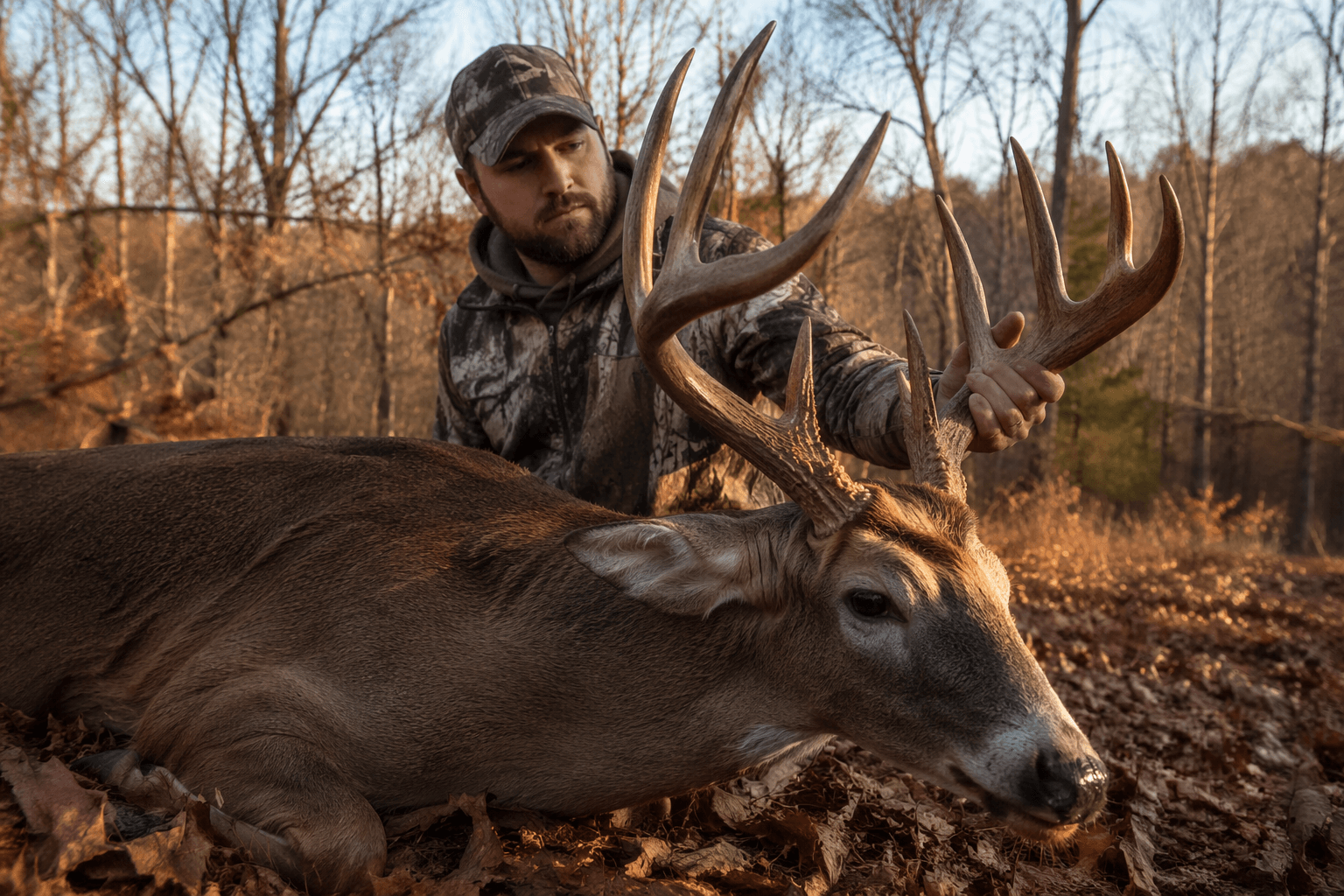
Maryland DNR says spring is prime time for shed hunting
Spring shed hunting in Maryland starts with deer travel corridors, then turns on one crucial check: know the land rules before you pocket a find.
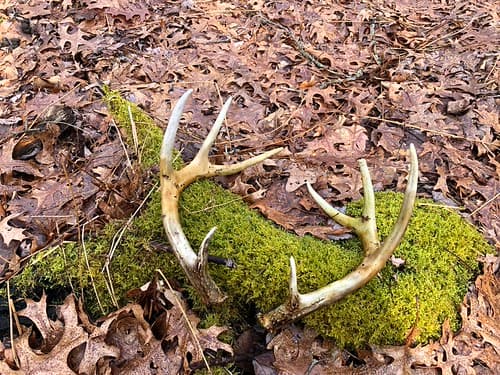
The best spring shed hunts in Maryland begin where deer already live their daily lives: bedding cover, travel corridors, and feeding sites. That is where antlers are most likely to turn up after white-tailed and sika deer drop them following the breeding season, and that is why Maryland DNR frames shed hunting as a between-seasons outing that works for hunters, families, and anyone who wants a reason to get outside.
Start with the highest-odds ground
If you want to find sheds instead of just covering miles, think like a deer. Bedding areas, travel routes, and feeding sites are the core habitat features Maryland DNR points to, because deer keep returning to them day after day. That matters even more in a state with a deer herd of roughly 200,000 animals, where a productive patch of cover can hold plenty of traffic without looking obvious from the road.
The rookie mistake is treating shed hunting like a random treasure hunt. Deer often drop only one antler at a time, so a matched pair is less common unless you already know the individual animal and its movement pattern. The National Deer Association uses sheds for exactly that reason, because a find can help you scout a specific buck and identify which animals made it through the hunting season.
Read Maryland’s calendar before you burn daylight
Spring gets the spotlight, but Maryland’s own deer-antler guidance gives you a better window than a vague season label. Sheds are typically dropped from early December through March, and timing shifts with the stress on a buck after the rut, heredity, and nutrition. That is the practical clue first-time shed hunters need: by the time you are seeing more antlers on the ground, the calendar has already been set in motion by winter conditions and post-rut recovery.
Maryland DNR also ties the hunt to the rhythm of the off-season, which is part of why it fits so well with the broader deer community. You are not just wandering woods in the hope of getting lucky. You are looking for a biological pattern that repeats every year, then narrowing it to the places deer spend the most time when winter starts loosening its grip.

Know what you can keep, and what stays on the ground
Maryland’s shed-antler policy is straightforward on the possession side: shed antlers may be possessed at any time and do not require a permit. If you have permission from the property owner, you can collect them on private land, but antlered skulls are a different case and do require a confirmation number. That distinction is easy to miss in the field, and it is exactly the kind of detail that keeps a clean outing from turning into a problem.
Public land is where most mistakes happen. Maryland warns that some public lands do not allow any finds to be removed, and U.S. Fish & Wildlife Service guidance says removing shed antlers from national wildlife refuges is generally illegal unless a special permit is issued. Blackwater National Wildlife Refuge and Eastern Neck National Wildlife Refuge are clear examples of places where you should expect that rule to matter.
Why the woods can empty out fast
A shed does not sit untouched for long. Other collectors get there quickly, and so do small mammals such as squirrels and chipmunks, because antlers contain calcium and phosphorus that make them a food source. Penn State Deer-Forest Study puts that chemistry in plain numbers, with white-tailed deer antlers made up of about 22 to 24 percent calcium and 10 to 11 percent phosphorus.
That is also why shed hunting carries a real wildlife angle, not just a collector’s angle. The National Park Service says disturbing deer, elk, and moose in early spring can stress animals when food is scarce and fat reserves are low, which can matter for pregnant females. High Country News has also noted that as shed hunting has grown, pressure on wintering deer and elk has increased, forcing animals to burn more calories during a vulnerable period.

When a public hunt becomes a managed event
Wyoming’s National Elk Refuge shows how far shed hunting can go when demand builds around a famous wintering herd. The refuge has a long-running antler auction that has been held for 57 years and is part of ElkFest in Jackson, where the 2023 sale moved 9,696 pounds of antlers at an average of $22.53 per pound. It is also one of the clearest examples of the activity being tightly managed, with the Jackson District Boy Scouts collecting antlers under a special-use permit.
That refuge model is a useful contrast for Maryland hunters. On one hand, shed hunting can feel like a simple walk in the woods. On the other, the rules can change sharply once you cross onto regulated public land, where access and removal are controlled much more closely than on a private farm edge or a permission-only timber tract.
A first-trip checklist that keeps you legal and efficient
- Focus on bedding cover, travel routes, and feeding sites instead of random open woods.
- Time your search for the late winter to early spring window, with Maryland drops running from early December through March.
- Get landowner permission before you step onto private ground.
- Do not assume a public tract allows collection, especially on national wildlife refuges.
- Leave antlered skulls alone unless you have the required confirmation number.
- Move slowly and give wildlife space, especially where deer are still carrying winter stress.
Before you head out, run through the basics:
Spring shed hunting works best when you combine patience with restraint. Start where deer actually move, respect the land underneath your boots, and remember that the best finds are the ones you collect without guessing at the rules.
This article was produced by Prism’s automated news system from verified source data, official records, and press releases, then run through automated quality and moderation checks before publishing. The system is built and supervised by the people who set the standards it runs under. Read our full AI policy.
Did this article answer your question?