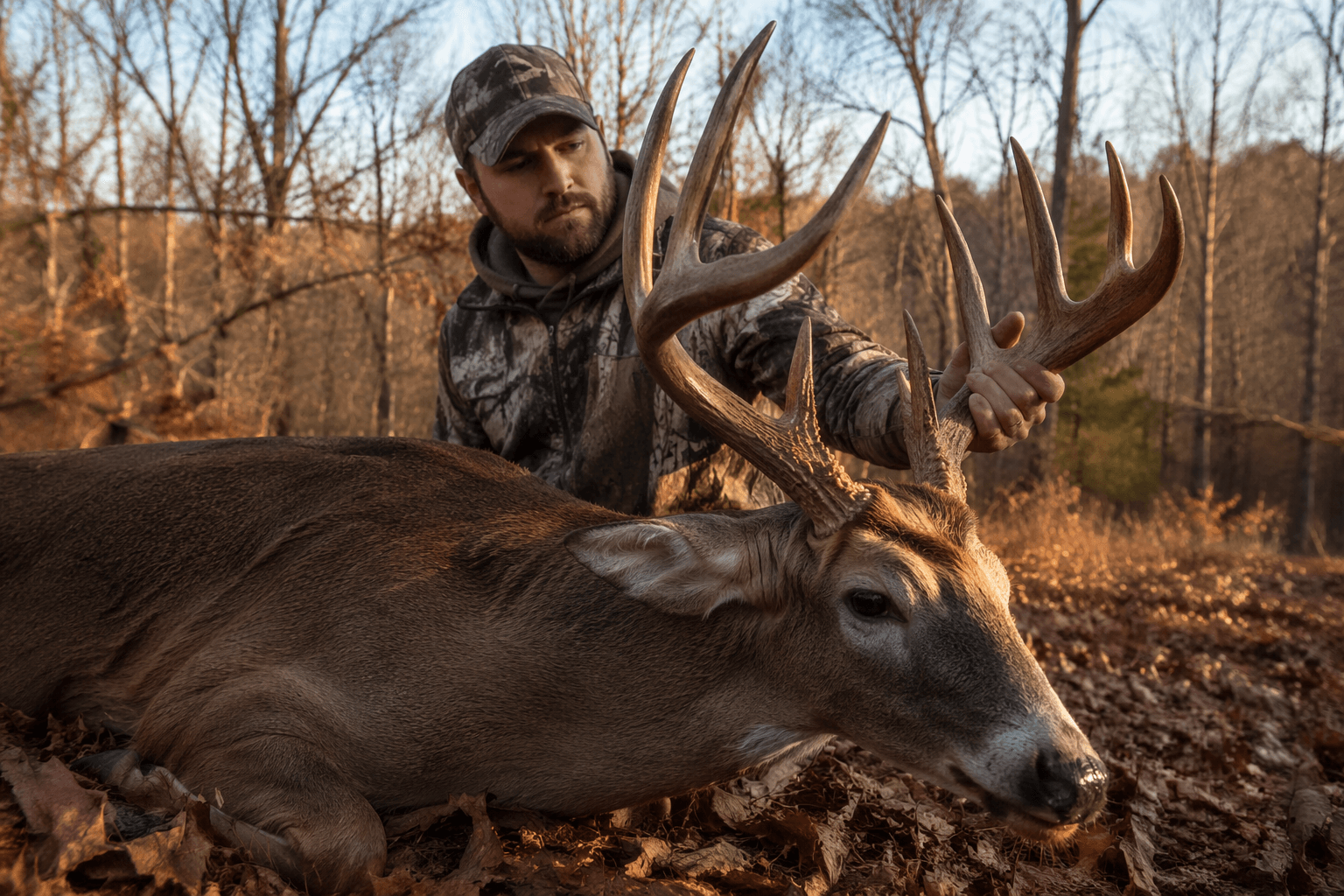
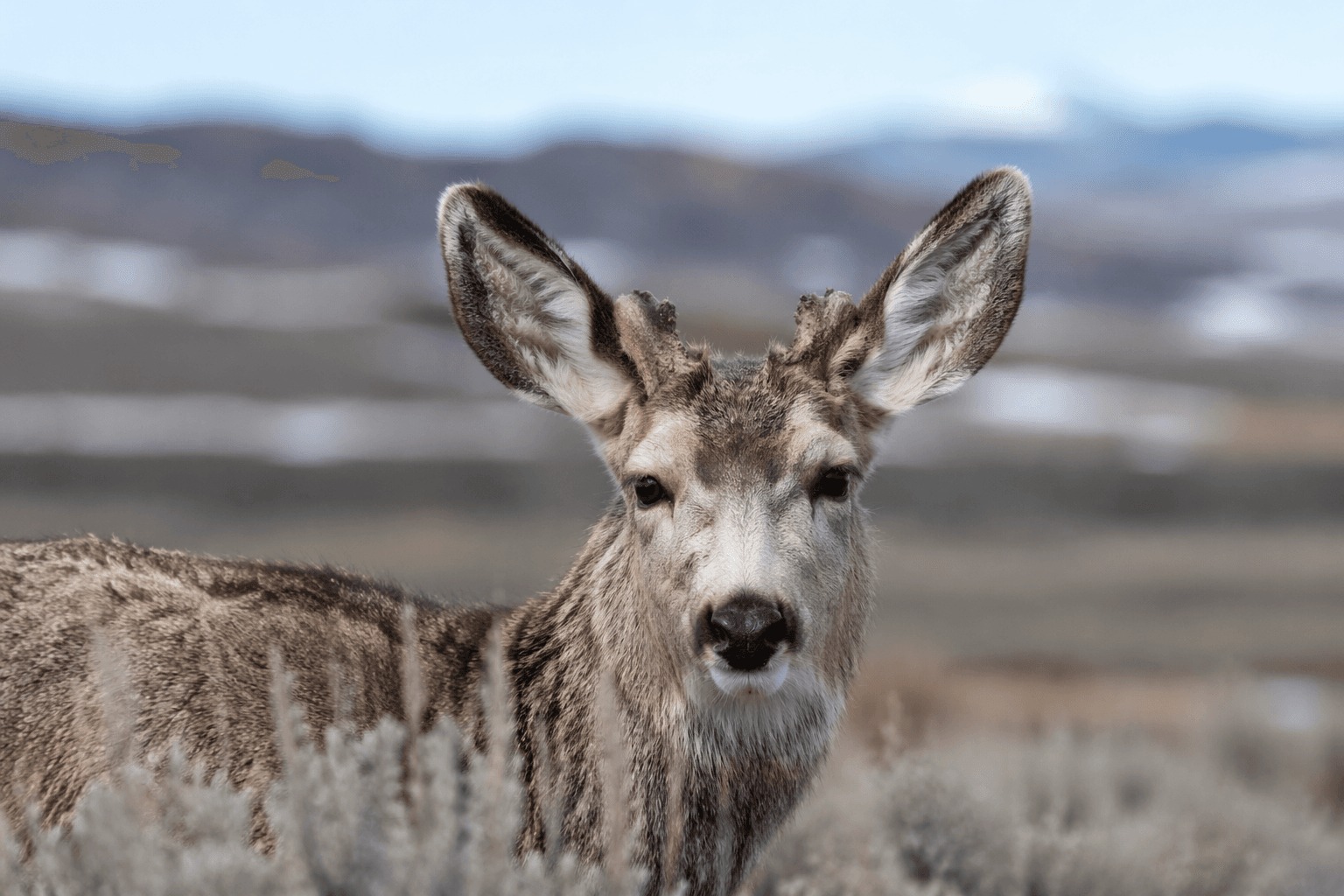
Mule deer buck shows new antler growth after February shed
A mule deer buck was already growing a new rack after a late-February shed, showing how fast spring antler growth can put shed hunters behind the curve.

A mule deer buck was already pushing new antler growth after a late-February shed, a fast turnaround that gave shed hunters a live look at how quickly the window can close once spring growth starts. The clip drew strong engagement because it showed the biology, not just the find.
Mule deer antlers shed and regrow every year. After they drop, the new set starts from the pedicle, then builds as living bone fed by blood flow while the antlers are still in velvet. Wyoming Game and Fish Department says the cycle is driven by changing hormone levels and seasonal cues, which is why a deer that has already dropped can show visible regrowth within weeks when daylight and nutrition improve.
That timing matters in the field. Wyoming Game and Fish says most shed hunting happens in winter and early spring, when deer are concentrated on crucial winter ranges. In parts of the West, antler hunting begins in November for people who start scouting and can run through June with shed collection, but Wyoming also regulates public-land collection west of the Continental Divide, excluding the Great Divide Basin. Once new growth is underway, a shed hunter is no longer looking at where a buck was in late winter, but where he has moved as spring conditions change.
Texas Parks & Wildlife Department frames that same stretch of the calendar as a growth period. Bucks recover from the rut and shift toward spring green-up to rebuild body condition and support antler development. Its mule deer materials also note that antler spread generally increases as bucks mature, and that public support for antler-restriction management has been favorable in Texas experiment areas.
The habitat piece is just as important as the calendar. Wyoming Game and Fish says quality forbs and shrubs support mule deer reproduction, body maintenance and antler growth. Mississippi State University Deer Ecology & Management Lab adds a hard number to that spring surge: peak antler growth can reach about three-quarters of an inch per week in yearlings and 1 1/2 inches per week in adults. Put together, those figures explain why a buck that dropped in late February can look noticeably different by early spring, and why shed hunters who read deer biology stay ahead of the crowd.
This article was produced by Prism’s automated news system from verified source data, official records, and press releases, then run through automated quality and moderation checks before publishing. The system is built and supervised by the people who set the standards it runs under. Read our full AI policy.
Did this article answer your question?