North American Shed Hunters Club preserves record antlers since 1991
NASHC is the rulebook behind North American shed bragging rights. Since 1991, it has set the standard for what gets measured, recorded, and remembered.
The North American Shed Hunters Club sits at the center of North American shed culture because it does more than collect photos and trophy talk. Since 1991, NASHC has served as the official scoring, measuring, and record-book authority for big-game shed antlers across the continent, giving hunters a place where a found set can be documented against a recognized standard.
What NASHC really does for shed hunters
NASHC is not just a club in the social sense. Its homepage presents it as the official scoring and record-keeping authority for North American shed antlers, and that role shapes how serious hunters think about legitimacy, comparison, and bragging rights. The site also points visitors toward a measurer directory, gallery, downloads, a shop, and social channels, which makes it both an archive and a working hub for the hobby.
That matters because shed hunting blends personal adventure with benchmark culture. A shed can be meaningful because of where it was found, how old it is, or what it says about a buck or bull, but NASHC gives hunters a way to preserve that find in a standardized format. The club also collects record shed photos and user-submitted as-they-lay shed hunting photos from across the United States and Canada, which gives the organization a continental reach that matches the scope of the pastime.
How the scoring system keeps records clean
If you want a shed entered the right way, NASHC’s entry guidelines leave little room for improvisation. All entries must be measured and recorded on official NASHC score sheets by a qualified NASHC measurer or by a volunteer Boone & Crockett Club or Pope & Young Club measurer. That cross-over with other well-known big-game record traditions helps explain why NASHC carries weight far beyond casual collecting.
The rules are strict on purpose. No spread credits are allowed, which means the score is built on the antler itself rather than extra generosity in the measuring room. For the biggest entries, the standard rises again: all shed antlers that fall within the top ten all time must be scored by a two-person panel of qualified measurers.
Why the record book still matters
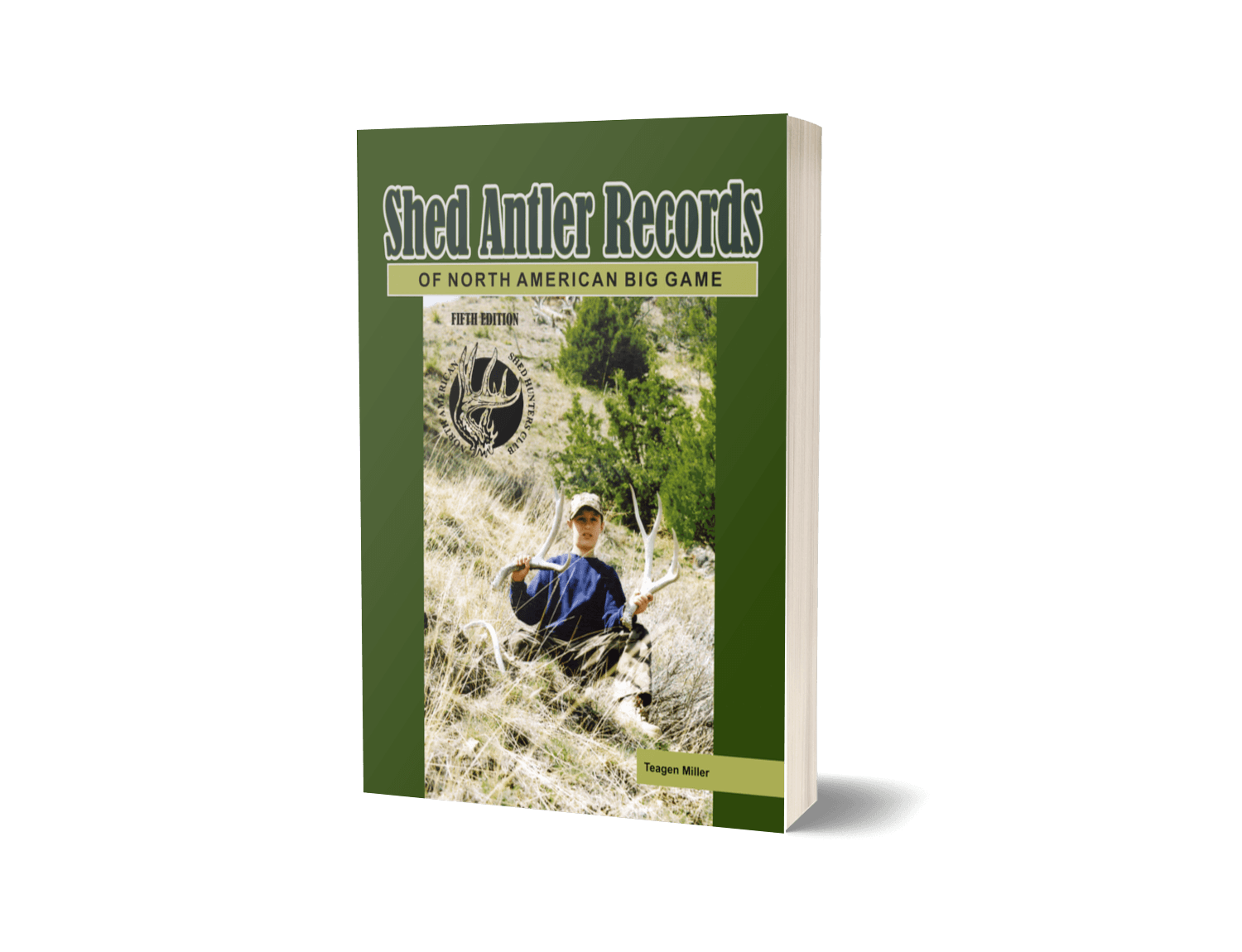
NASHC publishes a record book titled *Shed Antler Records of North American Big Game*, and the fifth edition is sold through the club’s website. That publication gives the hobby something a lot of trophy pursuits depend on but few actually maintain well: a durable paper trail that preserves the biggest verified finds instead of letting them fade into campfire legend.
The club’s records page and score sheets show that it tracks more than one animal, and that broadens the meaning of a top-tier find. White-tailed deer, mule deer, elk, moose, and caribou/reindeer all appear in the system, which tells you NASHC is not built around whitetails alone. A 2019 top-10 PDF also shows that the club maintains species-specific all-time rankings, so a set that climbs the board does so inside a clearly defined category, not a generic bucket.

The people and network behind the measurements
A record book only works when the measuring network is trusted, and NASHC leans on names that carry that credibility. The club’s about page identifies Matt Beard as a current public-facing figure and notes that he was raised in southwest Missouri’s Ozark Mountains and still lives in Hollister. That kind of rooted presence helps explain why the club feels like part of the hunting community rather than an outside referee.
The continuity runs deeper through Dave Beard, who began officially measuring antlers for Pope and Young in 1972, Boone and Crockett in 1979, and NASHC in 1991. He has also served as chairman or co-chairman of Big Game Records for the shed club since the beginning. That long overlap with established big-game record systems is part of what gives NASHC its authority when a shed set is close to record-book territory.
NASHC’s downloads page shows how the club keeps that network functioning in the field. Hunters can find a measurer list by state, a measurer application, entry guidelines, and a two-person panel form, which turns the record system into something practical rather than theoretical. A distributed list of named measurers across states means the club relies on local expertise, not just one central office, to keep records moving.
More than a scorecard: conservation and legitimacy
NASHC’s influence reaches beyond the measuring tape. Its about page says the organization has been a vital resource to several federal and state wildlife agencies, and it also says members advocate for legislation and initiatives that advance conservation efforts nationwide. That gives the club a policy role as well as a record-keeping one, linking shed culture to broader wildlife stewardship.
The club’s contact details reinforce that it is a real operating organization with a fixed base, not a loose online brand. NASHC lists PO Box 338, Indianola, IA 50125, and a phone number of 515-442-7030. For hunters who need to verify a measurer, submit an entry, or understand how a find will be judged, that concrete structure is part of the value.
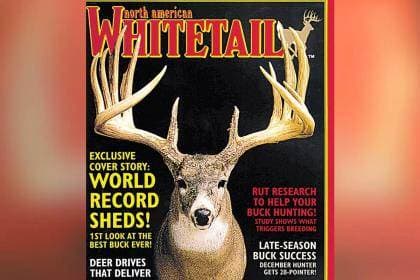
The wider hunting world has also treated shed hunting as a growing off-season pursuit, which only increases the need for a dependable standard. NASHC’s place in that ecosystem is hard to overstate, especially when stories like “The General” still circulate. One hunting outlet reported that NASHC recognized those sheds in 1998 as the biggest typical antlers a wild buck had ever worn at that time, a reminder that the club helps define the milestone moments everyone else remembers.
In a hobby built on tracking, finding, and proving, NASHC is the quiet authority that decides whether a shed becomes a story or a benchmark. Since 1991, that has been its real job: preserving the record side of shed hunting so the best finds in North America have somewhere official to land.
This article was produced by Prism’s automated news system from verified source data, official records, and press releases, then run through automated quality and moderation checks before publishing. The system is built and supervised by the people who set the standards it runs under. Read our full AI policy.
Did this article answer your question?