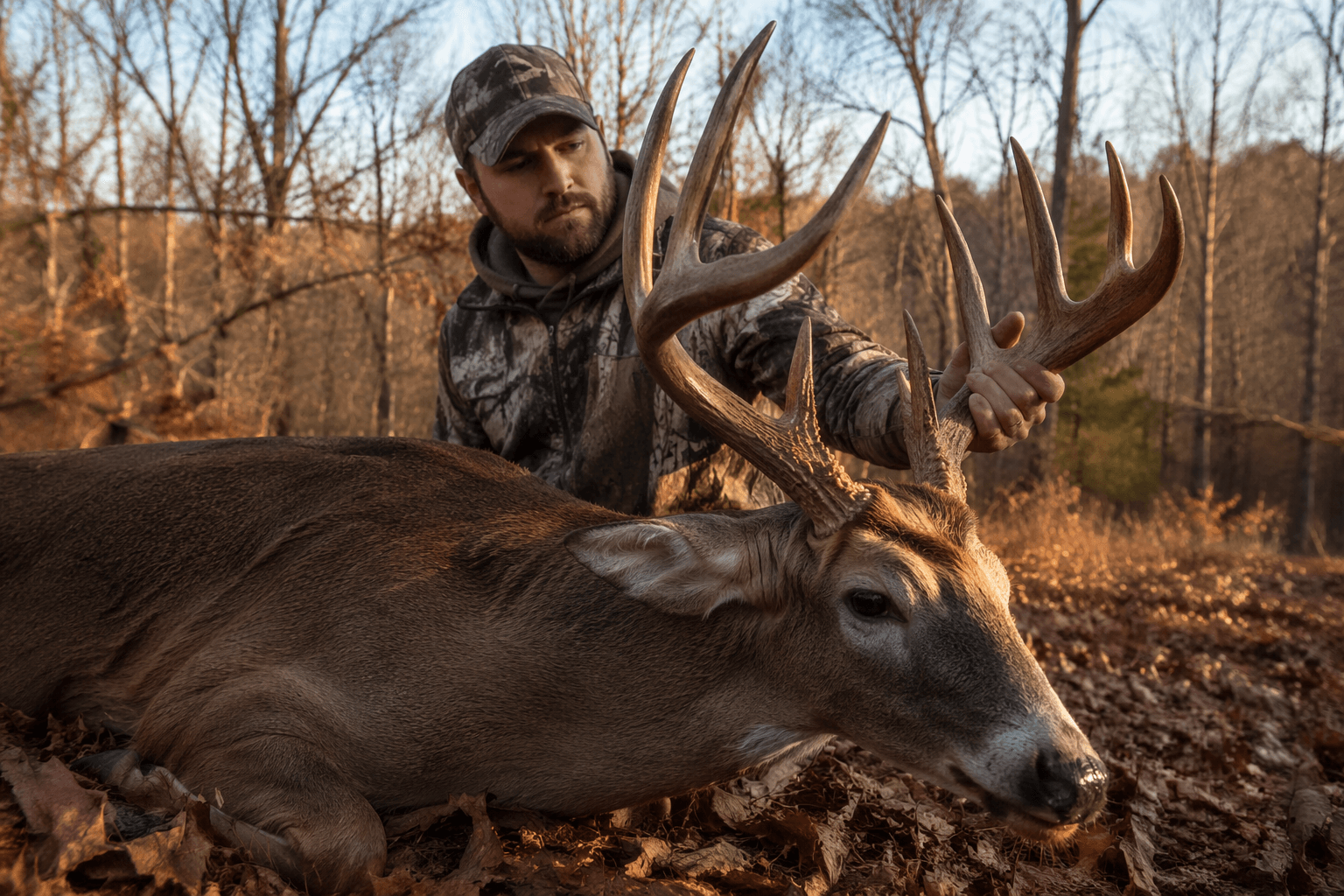
Shed antler value rises with size, condition and market demand
Fresh brown matched sheds fetch the best prices, while chalky, chew-scarred pieces slide toward bargain-bin rates.
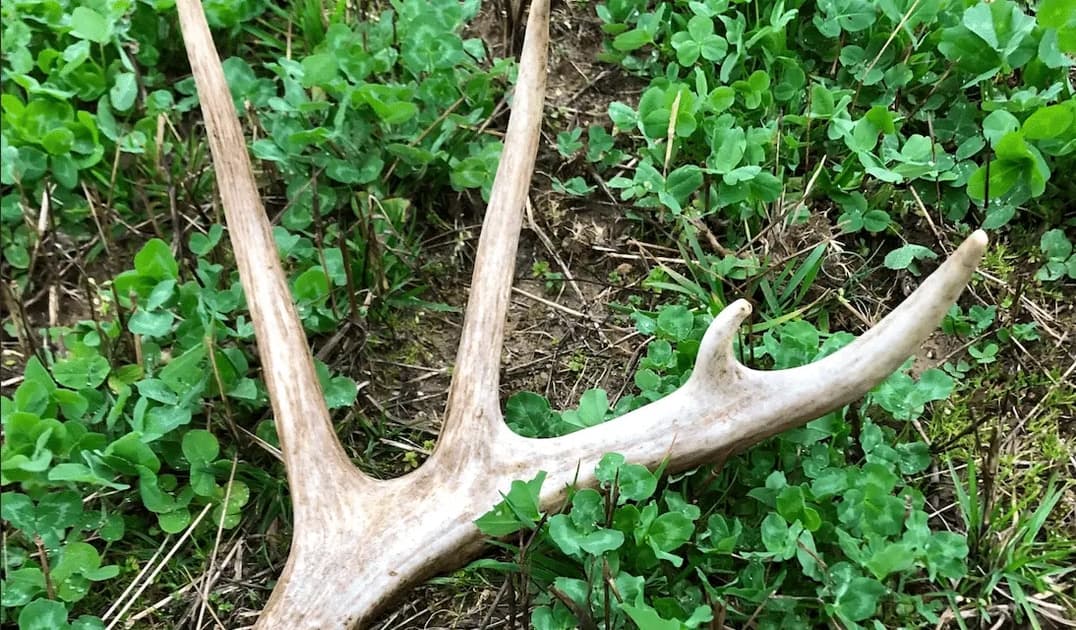
Fresh brown antlers with clean points, matched pairs, and no chew damage sit at the top of the market, while chalky, weathered singles sink fast. A shed antler can be worth a few dollars a pound or the kind of money that turns a casual find into a real sale. That spread is why some sheds stay on the wall, some become knife handles or lamp parts, and some go straight to a buyer.
How the shed market works
The Utah Division of Wildlife Resources treats shed-antler hunting as both a growing recreation and a highly competitive business enterprise. Antlers are not just collectibles. They move into décor, furniture, crafts, medicinal uses, and pet chews, which gives even an ordinary shed more than one possible buyer.
Most sheds are sold by the pound, so weight matters as much as the look of the rack in your hand. In the broad retail and wholesale market, prices can run roughly from $2 to $15 per pound. Older, white, chalky pieces usually land at the low end, while antlers with cleaner surfaces and better structure bring the strongest money.
Species also matters because the market is not one pile of antlers. Mule deer dominate Utah’s shed-antler fact sheet, while Rocky Mountain elk dominate the National Elk Refuge auction. The type of animal, the size it tends to grow, and the kind of buyer chasing it all shape what a shed can bring.
What pushes value higher
Condition is the first thing serious buyers notice. A shed that is still brown, intact, and unscarred by weather is more desirable than one that has been bleached by sun and snow. Chew damage cuts value too, especially when teeth have hit the tines or gnawed the base, because that damage hurts both display value and craft use.
Freshness matters because a newer drop keeps more color and texture. An antler that looks recently shed is more likely to sit in the higher part of the pound-price range than one that has spent a long time on the ground. That is why a smaller shed can outprice a bigger one if the larger rack has been badly weathered or chewed.
Matched sets carry a premium all their own. A matching pair tells a cleaner story for collectors, decorators, and brokers, and a rare giant rack can pull far more than the ordinary market rate. In this market, a 180-inch set can bring about $150 to $200, while a 200-inch set can reach around $400, depending on the buyer and the market.
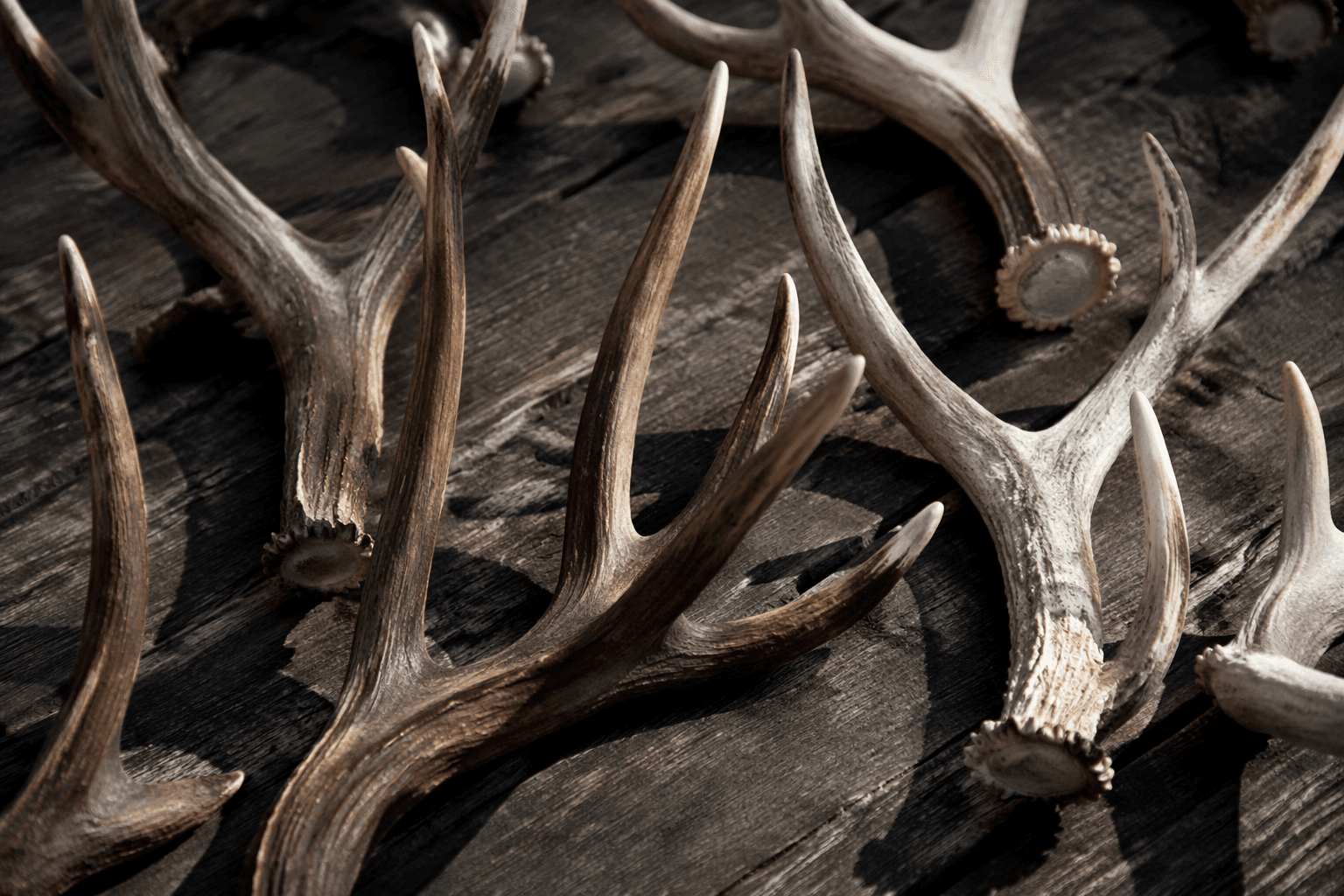
Why demand keeps climbing
Demand has grown so strong that hundreds of cars line up at the National Elk Refuge on opening day, May 1. The U.S. Fish and Wildlife Service ties that turnout to higher antler values and to more theft and trespassing around the refuge.
Congress established the refuge on August 10, 1912, and it winters an estimated 5,000 to 7,000 Rocky Mountain elk each year. The annual ElkFest auction in Jackson’s Town Square marked its 57th year in 2024, drew 140 registered bidders, and averaged $26.73 per pound. The 2023 auction sold 9,696 pounds of antlers, and the refuge’s local Boy Scouts collect the antlers under a special permit, keeping 25% of the proceeds while 75% goes back to refuge habitat projects.
What to check before you contact a buyer
Before you ask for a price, sort the shed the way a buyer will see it:
- Species: note whether it is mule deer, Rocky Mountain elk, or another antler type.
- Weight: weigh it, because most sales are still built around the pound.
- Color: brown usually beats white or chalky.
- Condition: check for cracks, broken tines, and damaged bases.
- Chew damage: look closely for dog marks or gnawed points.
- Freshness: newer sheds usually hold more color and better surface quality.
- Match: keep paired sheds together, because matched sets bring more than singles.
- Use potential: decide whether it belongs in décor, craft work, a display room, or the pet-chew pile.
The American Kennel Club warns that antlers are common dog chews, but they are not always the safest choice for dogs, so chew-market value does not mean every antler belongs in a pet bowl. Clean, intact sheds also have stronger options for bookends, lamps, chandeliers, knife handles, and other decorative or functional pieces.
The rules now shape the trade, too
High demand has pushed state agencies to manage shed season as a resource. Wyoming expanded shed-antler closure areas and set a noon opening time on public land to protect wintering big game. Utah requires an Antler Gathering Ethics Course during the Feb. 1 to Apr. 15 shed-hunting period, and commercial antler buyers need a Certificate of Registration.
This article was produced by Prism’s automated news system from verified source data, official records, and press releases, then run through automated quality and moderation checks before publishing. The system is built and supervised by the people who set the standards it runs under. Read our full AI policy.
Did this article answer your question?