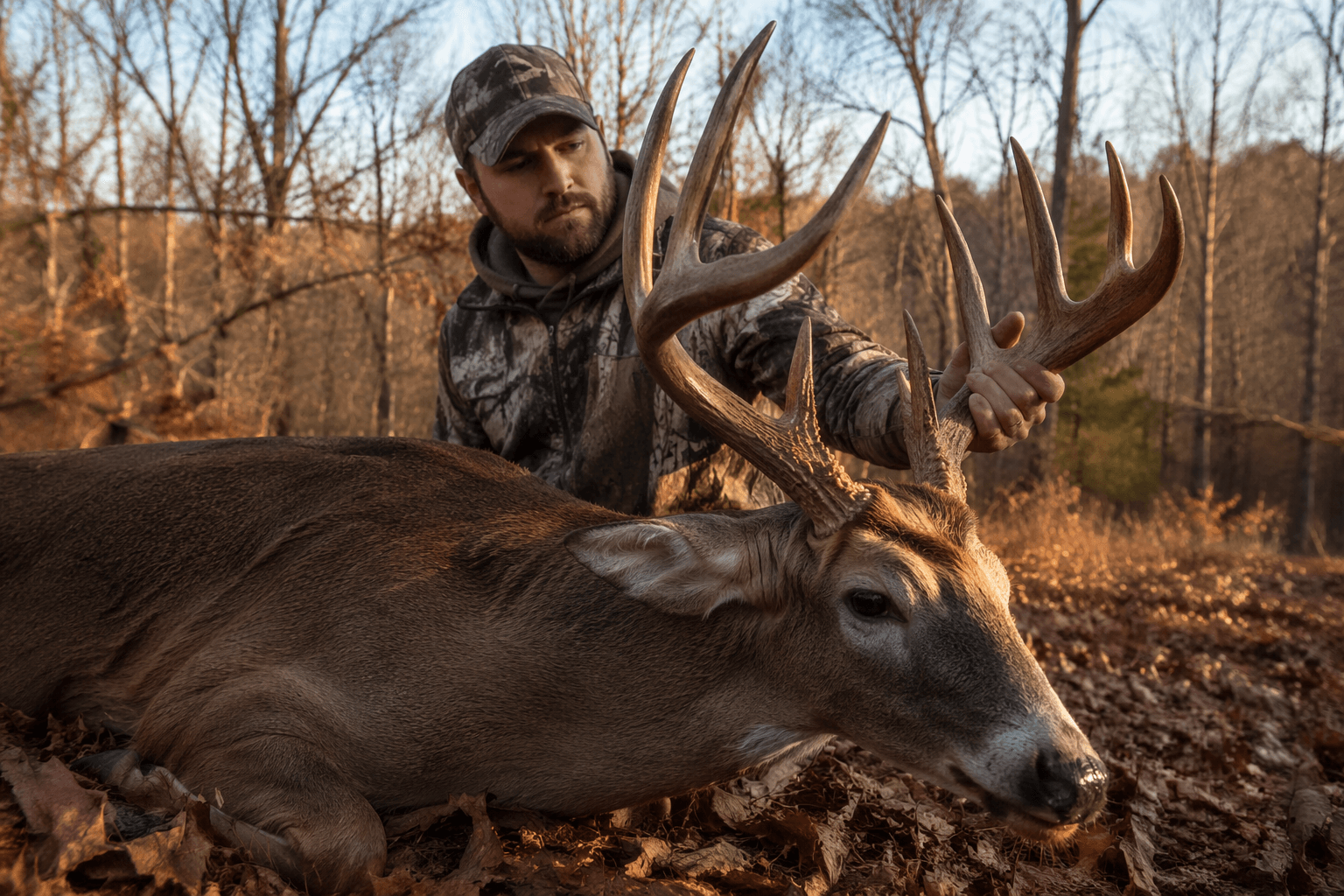
Shed hunting’s ancient roots meet a booming modern market
Shed hunting is part ancient ritual, part modern market. The real divide is whether you treat it as money, scouting, or a spring tradition.

Shed hunting looks like a simple spring search, but its appeal runs much deeper than a walk for antlers in the timber. The draw reaches back into prehistory, when antlers showed up in cave art and ceremonial objects as symbols with real cultural weight, and that old fascination still shapes the way today’s hunters talk about sheds. What feels fresh is the market built around it: guided week-long trips in prime country can run $2,500 or more with food and lodging, even as plenty of hunters still find sheds for free on public land or their own ground.
The split between romance and reality is why shed hunting keeps growing. For some, it is a seasonal tradition tied to the same woods they hunt in fall. For others, it is a scout’s tool, a way to learn which bucks survived the season and where they spent late winter. And for a smaller but very active slice of the community, antlers are an item with hard dollar value, not just campfire value.
Why antlers keep changing the game
Antlers are not static trophies. The U.S. Fish and Wildlife Service calls them the fastest-growing bone in the world, and the numbers explain why the search window matters so much. White-tailed deer antlers can grow about a quarter-inch per day, while elk antlers can add about an inch per day. Virginia’s Department of Wildlife Resources says growth typically starts in April as daylight increases, then reaches full development in about four months.
That biology gives shed hunting its rhythm. By late winter and early spring, the antlers that carried a buck through the season are coming off, and the new set is already on the way. The same broad pattern also applies beyond deer and elk: caribou and reindeer are the only deer species in which females also grow antlers, and newer 2026 reporting notes that female caribou shed theirs just before giving birth, with scientists still studying why.
The market is bigger than most hunters think
A lot of people still think of sheds as camp decor or something that ends up on a mantle, but the market reaches far past that. Antlers are used for dog chews, decor, furniture, chandeliers, knives, jewelry, and supplements, which helps explain why buyers keep chasing supply. One antler-market source says antlers are bought by dozens of buyers across the United States, Canada, and Mexico, and that hundreds of thousands of antlers are shipped from the U.S. each year.
That commercial demand has changed the way some hunters see the season. A guided shed hunt is no longer just a boot-leather hobby; in some places it is a packaged outdoor trip with lodging, meals, and local knowledge folded into the price. At the same time, the free side of the tradition still matters, because public land and private hunting ground keep the practice accessible to anyone willing to cover ground and read winter sign.
Scouting tool, side hustle, or spring ritual
The most useful way to understand shed hunting is to separate the reasons people do it. If you want the money angle, the antler itself has value once it enters the market. If you want the hunting angle, sheds are a clue trail, not just a find. If you want the community angle, they mark the turn from winter to spring and give hunters a reason to be back in the woods before green-up.
- As a side hustle, sheds can be sold into the antler trade or turned into finished goods.
- As a scouting tool, a shed tells you a buck lived through the season and where he spent late winter.
- As a spring tradition, the search itself is the reward, especially on familiar ground.
A lot of experienced hunters run all three ideas at once:
That mix is why the hobby keeps widening. It is not only about what the antler is worth at market, but also about what it reveals on the ground and what it means to the people walking for it.
Dogs, discipline, and a niche that keeps expanding
Shed hunting has also developed its own specialized help: dogs trained to find antlers much like bird dogs point or retrieve game birds. Mossy Oak has written about shed hunting with a dog, and the rise of shed dogs was significant enough to help spur the North American Shed Hunting Dog Association. That is the kind of detail that shows how far the pastime has moved from an informal afterthought.
The dog side of the sport fits the larger story. Once a hobby has gear, training, organized interest, and a named association behind it, it stops looking fringe. It becomes a community with its own methods, its own shorthand, and its own expectations about how to cover country efficiently.
Rules now shape where and when hunters can search
The growth of shed hunting has also brought regulation, especially where wintering big game need space and low stress. Colorado Parks and Wildlife closes shed antler and horn collection on all public lands west of I-25 from January 1 through April 30 each year to reduce stress on wintering big game. Boone and Crockett points to Wyoming as another example, noting the closure on public lands west of the Continental Divide has been in place since 2009.
Those dates matter because they define the practical calendar for anyone hunting sheds in the West. If you are on public land in Colorado or Wyoming, the season is not simply about finding antlers first. It is about knowing where collection is allowed, where animals are vulnerable, and why wildlife managers treat shed traffic as a disturbance issue at the end of winter.
Why the story still feels current
Shed hunting’s staying power comes from that collision of old and new. The antler is ancient in cultural meaning, fast-growing in biological terms, valuable in trade, and useful as a scouting clue in the field. That is a rare combination, and it is why the pastime now ranges from a free walk in familiar cover to a premium guided trip with food, lodging, and local expertise.
The bigger lesson is that shed hunting is never just one thing. The old fascination with antlers still lives in the spring search, but the modern market, the dog work, the wildlife rules, and the scouting value have all pushed it into a more complicated place. That is exactly why the tradition keeps finding new ground.
This article was produced by Prism’s automated news system from verified source data, official records, and press releases, then run through automated quality and moderation checks before publishing. The system is built and supervised by the people who set the standards it runs under. Read our full AI policy.
Did this article answer your question?