Wyoming wardens use decoy sheds to catch antler poachers
A shed can look like it is just lying there, until a warden’s decoy turns it into evidence of trespass, closed-season violations, or theft.

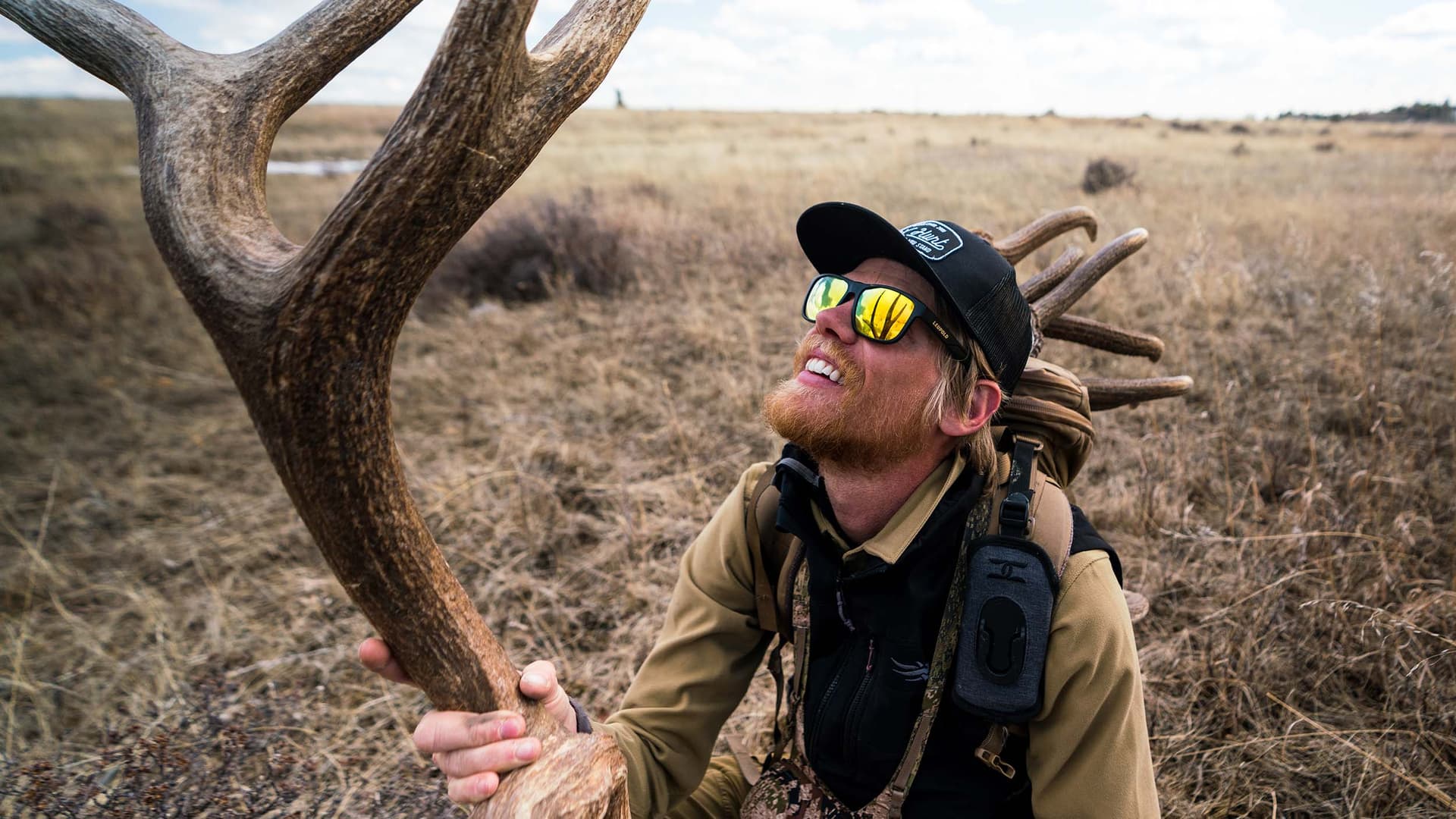
A shed can look harmless on the ground, but in Wyoming it can also be a trap, a clue, or a crime scene. Wardens have been using decoy antlers, including one with a metal chip sealed into the base with epoxy, to catch people who cross the line from shed hunting into poaching, trespass, and harassment of winter-stressed wildlife.
Where a shed turns into a case
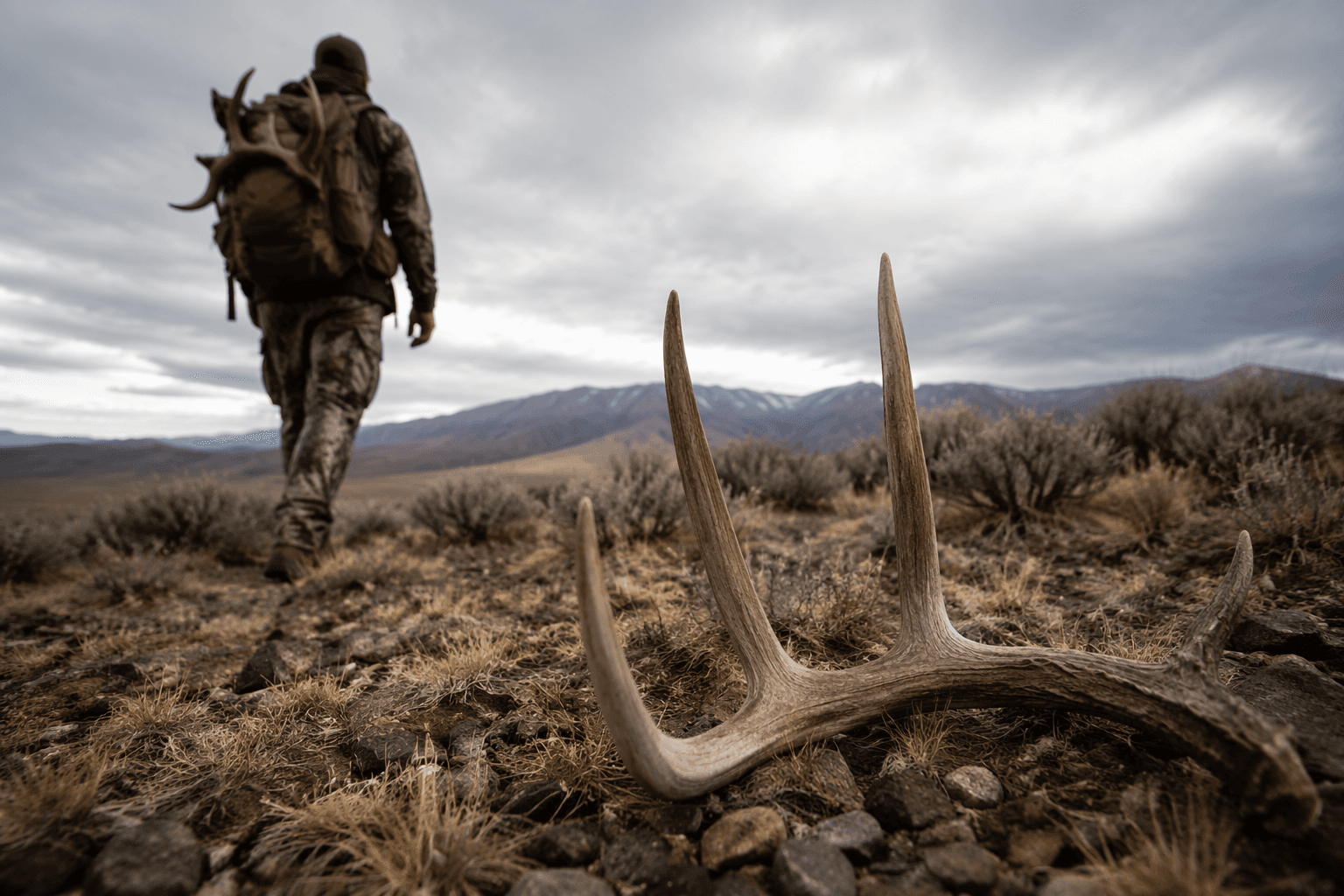
The legal line in Wyoming starts with land status and timing. On public land west of the Continental Divide, excluding the Great Divide Basin, the regulated shed-antler area has been closed since 2009, originally from Jan. 1 through April 30, with the opening time later revised to 12 noon in the regulated area. The Wyoming Game and Fish Department imposed the restriction to protect wintering big game, which is exactly why a “quick look” on snow-covered country can become a wildlife disturbance issue fast.
Shed country is often the same country big game is trying to survive in. If you are moving through winter range before the season opens, or collecting where the closure applies, timing, access, and the pressure on animals all carry legal weight.
How wardens catch antler poachers
The decoy shed is not there by accident. Wardens plant it where pressure is high, then wait to see who treats it like a free find versus who treats the ground like rules do not apply. A metal chip in the base, sealed with epoxy, gives investigators a way to tie the antler back to the setup and prove the object was a decoy.
The newer GPS-tagged example is even more blunt. A 7-year-old picked up an elk shed that had been planted on private land, and his father was cited for trespassing after the antler was collected. Wardens investigate antler crimes through the details that shed hunters often think do not matter: where the antler sat, whose ground it was on, and whether someone crossed the boundary to get it.
Trespass is not the only problem
Shed hunting gets framed as harmless because the antler has already fallen off, but that does not erase the rules around it. In hot-pressure country, wardens are watching for closed-season violations, trespass onto private ground, and conduct that pushes wildlife while animals are already stressed from winter.
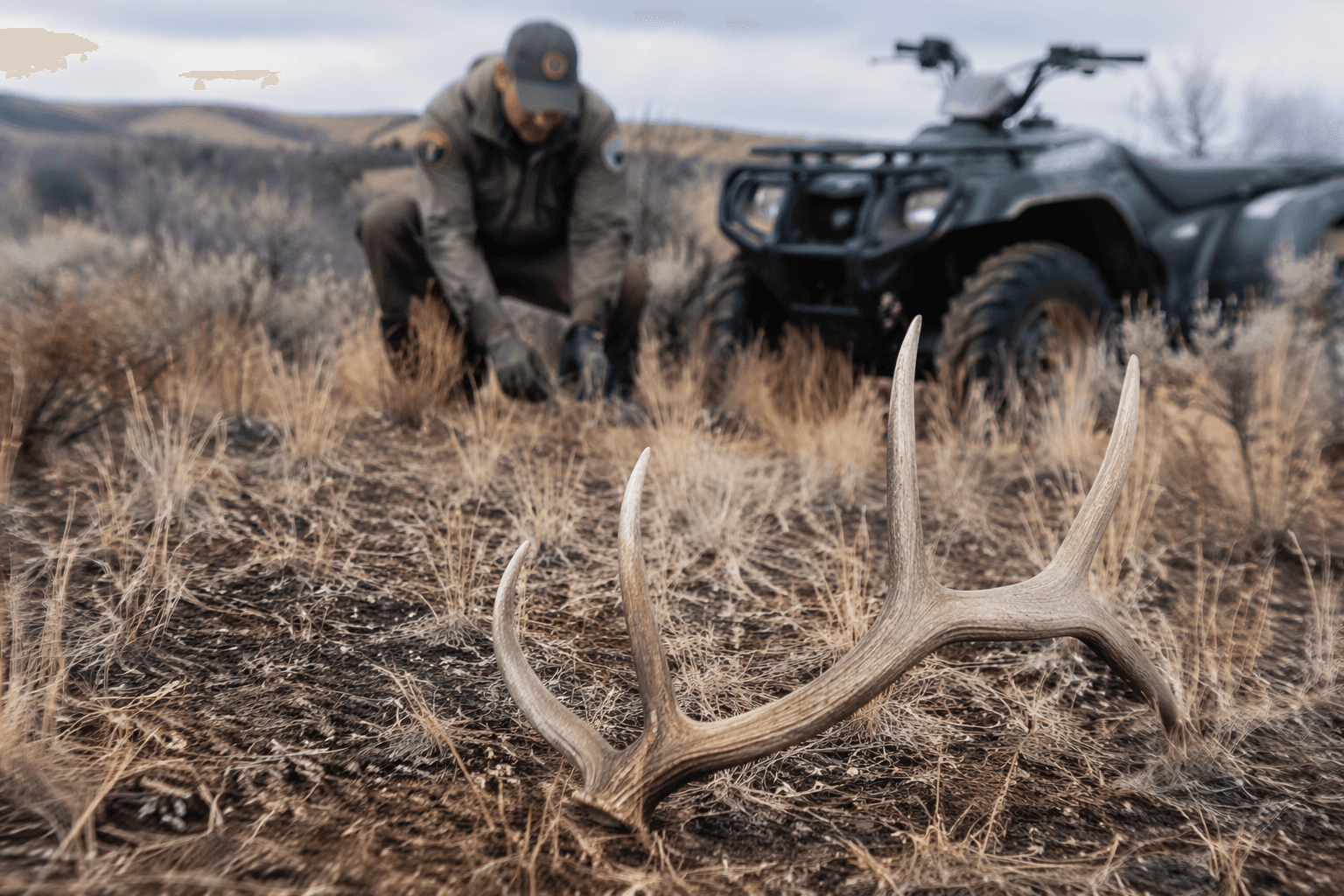
If a shed comes from a place that is closed, or from land you had no right to enter, the antler itself becomes the evidence trail. In a state like Wyoming, where antler season is tightly managed west of the Divide, a property line or a clock can mark the difference between legal and illegal collection.
Wyoming’s rules are now tighter than before
Wyoming did not stop at the seasonal closure. In 2024, the state added requirements for nonresidents in priority areas, including buying a conservation stamp and waiting a week before collecting. The added requirements continued a longer tightening of state rules in prime shed country.
A 2025 University of California-Berkeley-backed survey found that 64% of shed hunters favored Wyoming’s new restrictions, 87% of Wyoming residents supported them, and 22% of residents said they would not have shed hunted otherwise without the new rules.
The regional rulebook is getting more complicated
Wyoming is not alone. Colorado Parks and Wildlife bars shed antler and horn collection on all public lands west of I-25 from Jan. 1 through April 30, a closure built around the same winter-stress concern. In the Gunnison Basin and nearby units, Colorado also bars collection before 10 a.m. from May 1 to May 15 to reduce disturbance to Gunnison sage-grouse during lekking and nesting.
Utah takes a different tack. Antler collection is otherwise legal statewide year-round, yet the Utah Division of Wildlife Resources requires an online antler-gathering ethics course from Feb. 1 to April 15. The 2021 Western Association of Fish and Wildlife Agencies briefing paper noted that Utah’s antler-collector participation grew from 18,187 in 2016 to 21,184 in 2020, and 81% of nonresident certificates came from neighboring states, especially Colorado and Wyoming.
The same briefing paper noted a larger policy question hanging over the West: wildlife agencies have discussed a formal shed-hunting season, but the commission had not officially pursued one.
A clean checklist for staying on the right side
The safest shed hunter is the one who treats every antler like it may carry a rule with it. Before you step off the truck, build your plan around land status, closure dates, and the possibility that an easy-looking patch of snow is actually winter range.
- Know whether you are on public land, private land, or a boundary where access changes fast.
- In Wyoming, understand that the regulated public-land area west of the Continental Divide, excluding the Great Divide Basin, is closed from Jan. 1 through April 30, with collection opening at 12 noon in the regulated area.
- If you are a nonresident in Wyoming priority areas, account for the conservation stamp and the seven-day wait.
- In Colorado, remember that public lands west of I-25 are closed from Jan. 1 through April 30, and the Gunnison Basin has the extra morning restriction from May 1 to May 15.
- In Utah, do the ethics course before you head out, even though collection is otherwise legal year-round.
This article was produced by Prism’s automated news system from verified source data, official records, and press releases, then run through automated quality and moderation checks before publishing. The system is built and supervised by the people who set the standards it runs under. Read our full AI policy.
Did this article answer your question?