Amy Bakes Bread shares buttery Italian herbs and cheese sourdough croissant bread
Amy Coyne turns sourdough into a buttery, savory croissant-style loaf, built for brunch plates, gifting, and the kind of loaf that disappears warm.
A hybrid loaf that does more than fill the bread basket
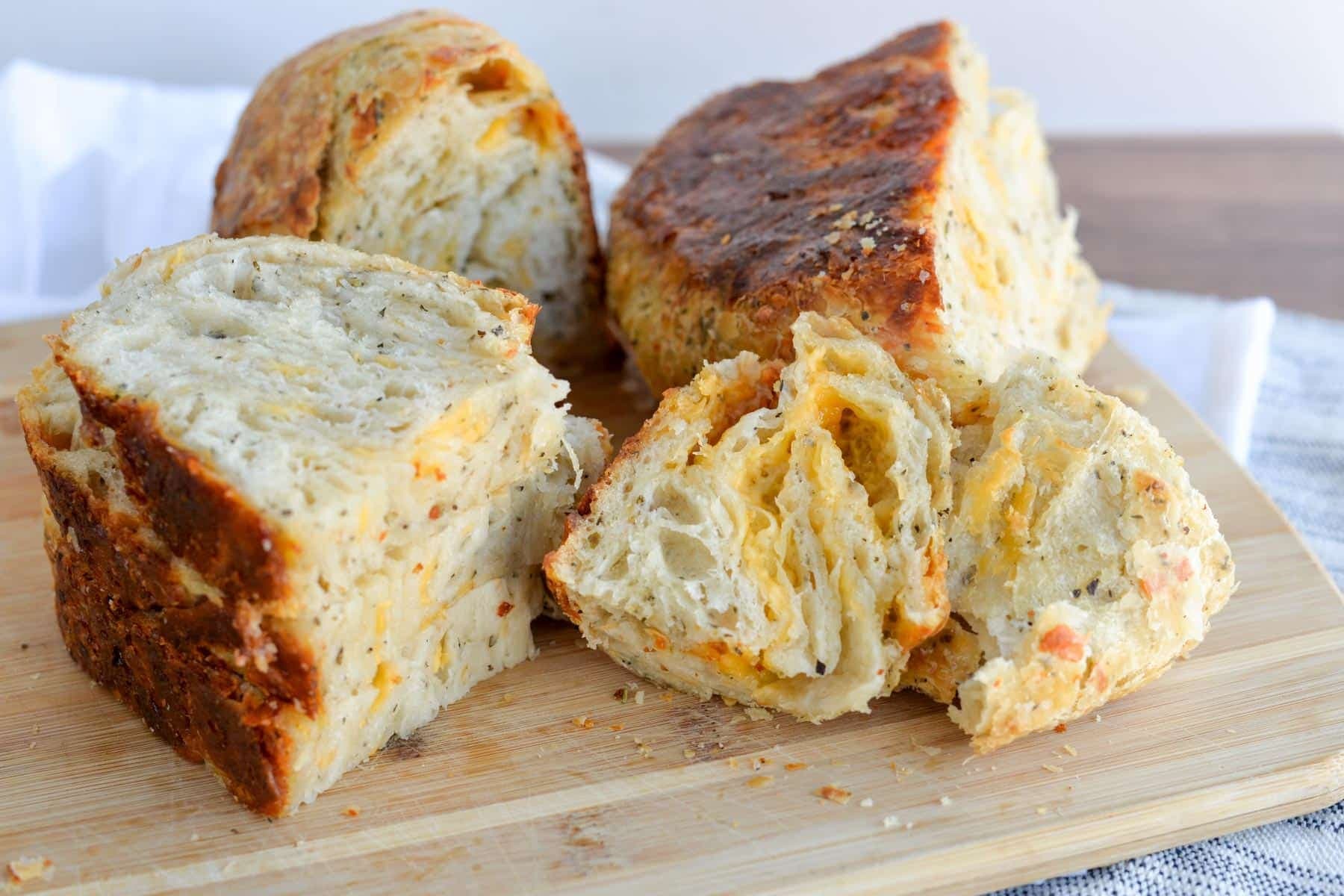
If your starter has already earned its place on the counter, this is the kind of loaf that makes the routine feel worth it. Amy Bakes Bread’s buttery Italian herbs and cheese sourdough croissant bread takes the familiar tang of sourdough and pushes it into richer, flakier territory, with Italian herbs, Parmesan, sharp cheddar, and buttery laminated layers.
That combination is the whole point. Instead of another plain artisan boule, this is bread that shows up like a centerpiece, with enough savory depth to work for brunch, gifting, or entertaining without feeling fussy. It is the rare sourdough bake that reads as both comfort food and occasion bread.
Why croissant-style sourdough hits so hard
The appeal of this loaf is not subtle. Laminated dough brings a croissant-like texture, which gives you a richer bite and a more dramatic slice than the usual lean sourdough loaf. In plain terms, it is the difference between a good everyday bread and one that gets attention the second it comes out of the oven.
That format also makes sense technically. Challenger Breadware notes that lamination is a strong way to distribute inclusions evenly, especially small add-ins like seeds, grated cheese, herbs, or spices. That matters here because the cheese and herbs are not just sprinkled on top for show. They are built into the dough in a way that should deliver flavor throughout the loaf, not just in the first few bites.
The result is exactly why savory hybrid breads keep taking off. They keep the sourdough identity intact, but they borrow the buttery richness people usually associate with pastry. If standard artisan sourdough is your weeknight loaf, this is the weekend upgrade.
Amy Coyne has been building toward this kind of bake for years
This recipe did not come out of nowhere. Amy Coyne has already positioned croissant-style sourdough as part of her recipe line, with an earlier sourdough croissant bread published on March 5, 2025. The new Italian herbs and cheese version feels like a logical next step, taking the same crossover idea and steering it toward a more savory, more meal-ready loaf.
Coyne’s bio helps explain why these recipes land so well with home bakers. She says she has been developing and testing recipes since 2020, and she describes herself as a self-taught baker in the Lexington, Kentucky area. That is useful context because her work reads like it comes from someone who has spent real time in the dough, refining recipes for bakers who want something ambitious but still approachable.
Amy Bakes Bread also offers online and in-person sourdough classes, which fits the way she presents her baking world: practical, teachable, and not overly precious. Her cookbook, The Beginner’s Guide to Sourdough, is described as a 50-recipe resource with QR-code video tutorials and step-by-step photos. That combination tells you the brand is built for home bakers who want to level up without getting lost in technical theory.
The flavor profile is built for the table, not just the cooling rack
The biggest advantage of this loaf is that it earns a place in a meal. Amy Bakes Bread suggests serving it warm with pasta, soup, salad, or simply straight from the counter, and that is the right framing. This is not a bread you need to justify with a long ingredient list or a complicated spread.
The Italian herbs, Parmesan, sharp cheddar, and buttery layers give it enough richness to stand beside a main dish, but the sourdough backbone keeps it from feeling heavy in the wrong way. It has the kind of savory pull that works at a brunch table, on an entertaining board, or as the one loaf you bring when you do not want to show up with something ordinary.
That is why this style has so much staying power. It feels special without being niche. If you already make sourdough, this loaf gives you a reason to lean into it for a dinner party, a gift loaf, or a weekend bake that feels a lot closer to bakery case luxury than standard home bread.
Why the sourdough crowd keeps moving toward hybrids like this
The broader trend lines back this up. Puratos reports that crunchy and crusty textures rose 15% in 2025 in online discussions and are forecast to rise another 19% in 2026. Its Taste Tomorrow research draws on insights from more than 23,000 consumers across 56 countries, and sourdough remains firmly part of that bakery conversation.
There is also real market momentum underneath the trend. One sourdough market report puts the category at $3.11 billion in 2025 and $3.31 billion in 2026, with artisanal baking and home baking helping drive that growth. That does not mean every loaf needs to chase a trend, but it does explain why recipes like this keep performing: they offer something familiar, but with enough richness and visual drama to feel like an upgrade.
For home bakers, that is the sweet spot. You get the satisfaction of sourdough, the payoff of laminated layers, and a loaf that can move from breakfast to dinner without changing personality. It is exactly the kind of bake that makes a starter feel useful instead of merely maintained.
The kind of loaf that makes sourdough feel like a treat again
What Amy Coyne gets right here is the same thing that makes the best hybrid breads memorable: the loaf is indulgent, but not random. The croissant-style structure gives you the flaky richness people want, while the Italian herbs and cheese keep the flavor grounded and savory.
That is why this one stands out from a standard artisan sourdough. It solves the same old bread problem with a better answer, turning a familiar starter into something that feels right for brunch, worth gifting, and welcome at the center of the table.
This article was produced by Prism’s automated news system from verified source data, official records, and press releases, then run through automated quality and moderation checks before publishing. The system is built and supervised by the people who set the standards it runs under. Read our full AI policy.
Did this article answer your question?