Baking Blogger Rebekah Parr Ranks the Best Sourdough Bannetons for Home Bakers
Rebekah Parr's banneton buyer's guide cuts through the Amazon minefield, ranking rattan, wood pulp, silicone, and budget colander alternatives by real baking performance.
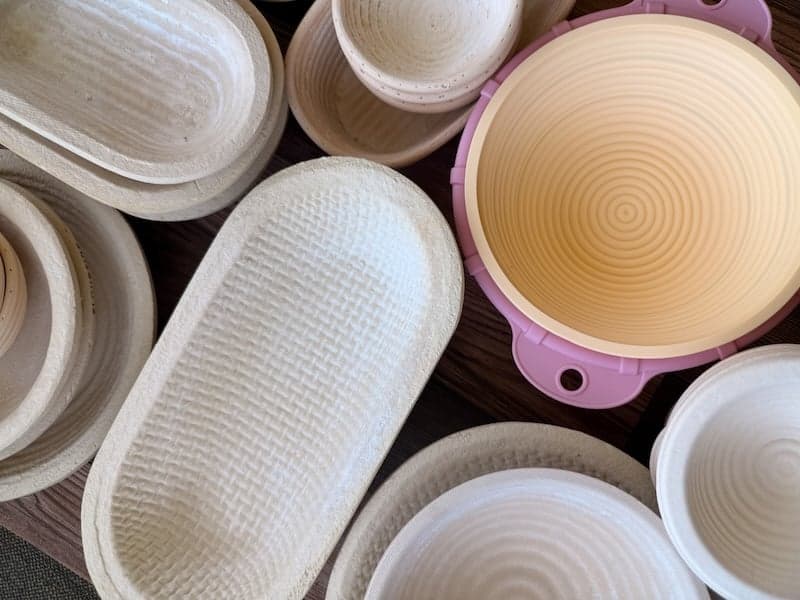
If you've ever typed "banneton" into Amazon and immediately felt overwhelmed, you're not alone. The sourdough community knows the feeling: one baker put it plainly, "I'm checking Amazon but it feels like a minefield!" Baking blogger Rebekah Parr published a detailed, experience-driven buyer's guide to sourdough bannetons on 18 March 2026, evaluating materials, shapes, sizing, and cleaning considerations so you don't have to guess. Combined with practical community wisdom from home bakers who've been doing this for years, here's what actually works.
Before getting into the rankings, the function of a banneton is worth stating plainly: "The purpose of a banneton basket is to wick away the surface moisture. This helps form a nice crust on your loaves." Every material and shape choice flows from that core job. Here's how each option stacks up.
Materials
1. Rattan
Rattan is the traditional choice, and it earns that status. These baskets are effective at wicking moisture from the dough during cold fermentation, which directly supports crust formation. The spiral pattern left on a boule from a rattan banneton has become something of a sourdough signature, and the material does its job consistently when properly maintained with rice flour and a brush.
2. Wood pulp
Wood pulp bannetons have built a loyal following in the home baking community, largely because they are easier to clean and hold up well over time. One baker who sources directly from Flourside put it simply: "I got my wood pulp banettons directly from Flourside and adore them!" For bakers who bake frequently and want less maintenance friction, wood pulp is worth the investment.
3. Sugarcane/bamboo blends
Parr explicitly includes sugarcane and bamboo blends in her evaluated materials, placing them alongside rattan and wood pulp as options worth considering. While the Reddit community excerpts don't offer direct commentary on this category, the material appeals to bakers looking for more sustainable sourcing in their kitchen tools without sacrificing the structural support a banneton needs to hold dough shape during proofing.
4. Silicone
Silicone is the newest material category Parr evaluates in her guide, and it represents a significant departure from the moisture-wicking logic of natural fiber bannetons. Silicone doesn't breathe the way rattan or wood pulp does, which affects how the dough surface develops during proofing. It's worth considering if you bake infrequently or prioritize easy washing over traditional crust formation.
5. Plastic colanders lined with cloth
This is the budget tier, and it works better than you'd expect. "A colander works. It has the same air function as the banneton." One baker went further with a specific setup: "I bought 2 Betty Crocker brand plastic colanders from the dollar store, line it with some linen napkins I already have and dusted with a mix of AP flour and rice flour." If you're still deciding whether sourdough is a long-term commitment, this is a legitimate starting point, not a compromise.
Shapes
6. Boule (round)
Parr lists the boule as one of the two primary shapes to evaluate. The round banneton suits recipes that go into a Dutch oven, which is most home baker setups. It's the most widely available shape and the right default for anyone buying their first banneton.
7. Batard (oval)
The batard shape is Parr's second evaluated form, and it's worth having once you're baking regularly. It accommodates longer loaves and scores differently, giving you more surface area to work with. The sourdough community sees it as a natural second purchase rather than a first, as one baker noted: "I'm pretty happy with my normal boule and batard bannetons but sometimes it would be fun to bake smaller loaves."
Sizing
8. 9-inch baskets
For a standard home loaf, the community is clear: "You probably want the 9", there are quite a few different ones." A 9-inch banneton accommodates the typical 900g to 1kg dough weight that most home sourdough recipes target, and it fits comfortably inside a standard Dutch oven. If you're buying one banneton, this is the size.
9. Non-standard and smaller sizes
Once you have a 9-inch boule and batard covered, smaller and nonstandard sizes open up the baking possibilities. The same baker who expressed satisfaction with standard shapes added: "Offer sizes or shapes that aren't standard. I'm pretty happy with my normal boule and batard bannetons but sometimes it would be fun to bake smaller loaves." Miniature bannetons for individual-sized loaves are increasingly available and worth exploring once your standard loaves are dialed in.
Usage and maintenance
10. Rice flour for preventing sticking
This is non-negotiable, and the community agrees without reservation: "Get yourself some rice flour. It's a complete game changer." Unlike all-purpose flour, rice flour doesn't absorb into the rattan or wood pulp fibers and hydrate, which means it actually stays between the dough and the basket. Dust generously, especially in the spiral grooves, and your dough will release cleanly every time.
11. Liner cloths as an alternative or complement
A linen or tea towel liner serves two purposes: it gives you an alternative to rice flour dusting if you'd rather not deal with the mess, and it protects the basket from absorbing strong odors over time. One baker with six years of home sourdough experience uses a simpler version of this approach: "I use a tea towel in a plastic bowl. I've been baking sourdough at home for six years, and the bread is excellent." The results speak for themselves.
12. Brush cleaning after each bake
Washing a rattan or wood pulp banneton with water is asking for warping, mold, and a shortened lifespan. The correct move is dry cleaning with a stiff-bristled brush: "After baking I use a stiff bristled brush to clean the excess rice flour of the banneton." Knock out the excess flour while the basket is still warm, brush down the spirals, and let it air dry fully before storing. Parr's guide also addresses drying and cleaning considerations, which aligns with what the community practices.
Where to buy
13. Flourside for wood pulp bannetons
When the community rallies around a specific vendor, it's worth noting. Flourside gets an explicit endorsement for wood pulp bannetons from at least one baker who went direct: "I got my wood pulp banettons directly from Flourside and adore them!" Buying direct from a specialty source, rather than sorting through generic Amazon listings, gives you more confidence in material quality and consistent sizing.
14. Dollar store plastic colanders as a starter option
Before committing to a proper banneton, the Betty Crocker plastic colander setup from the dollar store is a genuine proof-of-concept approach. Line it with linen, dust with a mix of all-purpose and rice flour, and you've replicated the core air-circulation function at minimal cost. If you find yourself baking every weekend six months from now, upgrade to rattan or wood pulp with confidence.
The banneton market is cluttered, but the decision tree is actually straightforward: start with a 9-inch round in rattan or wood pulp, add rice flour to your pantry immediately, and buy from a specialty source rather than scrolling through undifferentiated Amazon listings. Everything else is refinement.
This article was produced by Prism’s automated news system from verified source data, official records, and press releases, then run through automated quality and moderation checks before publishing. The system is built and supervised by the people who set the standards it runs under. Read our full AI policy.
Did this article answer your question?