Biohacker Gary Brecka Says Sourdough With Butter Beats Commercial Bread
Gary Brecka says long-fermented sourdough with butter beats commercial bread for digestibility and nutrient absorption.

Gary Brecka, the biohacker and human biology researcher known for his work on optimizing health through nutrition and lifestyle, is throwing his weight behind traditionally fermented sourdough as a legitimate upgrade from commercial bread. His position is specific: long fermentation, real butter, and none of the shortcuts that make modern sandwich loaves so problematic.
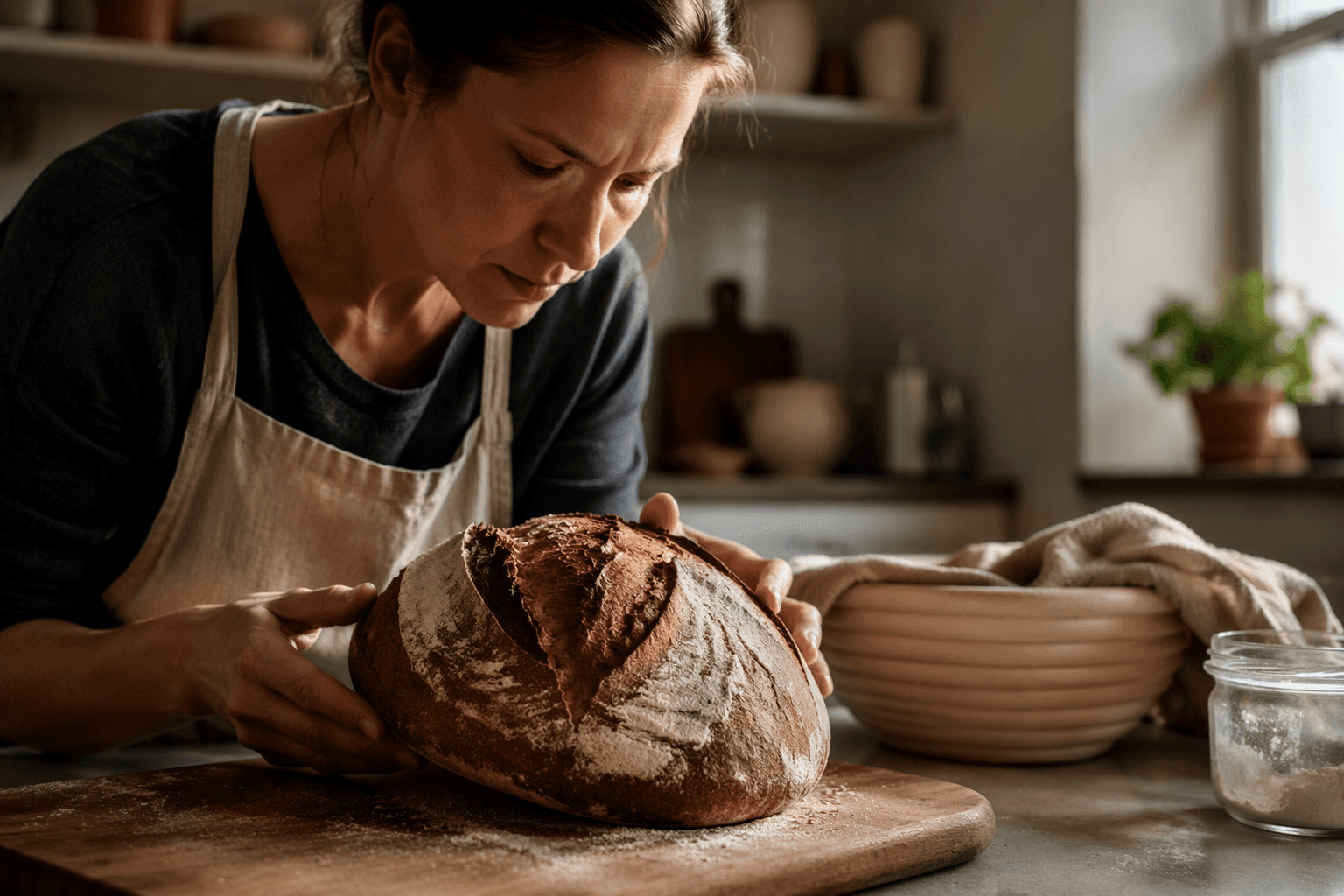
Brecka's argument centers on what extended fermentation actually does to the dough. The process breaks down gluten and antinutrients, two of the main reasons so many people report feeling wrecked after eating conventional bread. Commercial loaves are typically produced with rapid-rise yeasts and no meaningful fermentation window, which means the grains arrive in your gut largely intact, antinutrients and all. Sourdough made the traditional way, with a live starter and a proper long ferment, is a fundamentally different product by the time it hits the crust stage.
The butter recommendation is notable because it cuts against the fat-phobic framing that dominated nutrition advice for decades. Brecka is explicitly telling people not to skip it. Fat slows digestion and aids in absorbing fat-soluble vitamins, so pairing a well-fermented loaf with quality butter isn't indulgence, it's the point.
For anyone already maintaining a starter and baking with a 12 to 24-hour cold retard or a multi-day levain build, Brecka's endorsement lands as confirmation of what the sourdough community has argued from experience for years. The long ferment isn't just about flavor development and open crumb structure. It's doing real biochemical work on the flour itself, reducing phytic acid and making minerals like zinc, magnesium, and iron more bioavailable.
Brecka's comments have sparked significant discussion online, pulling sourdough baking further into mainstream health and biohacking conversations. Whether that translates into more people actually building and maintaining starters remains to be seen, but the underlying science he's referencing has solid footing among bakers who've been doing this the slow way all along.
This article was produced by Prism’s automated news system from verified source data, official records, and press releases, then run through automated quality and moderation checks before publishing. The system is built and supervised by the people who set the standards it runs under. Read our full AI policy.
Did this article answer your question?