Blender sourdough pancakes turn starter into a flexible breakfast wrap
Blender sourdough pancakes turn extra starter into a roll-up breakfast that is fast, flexible, and filling enough for real family mornings.
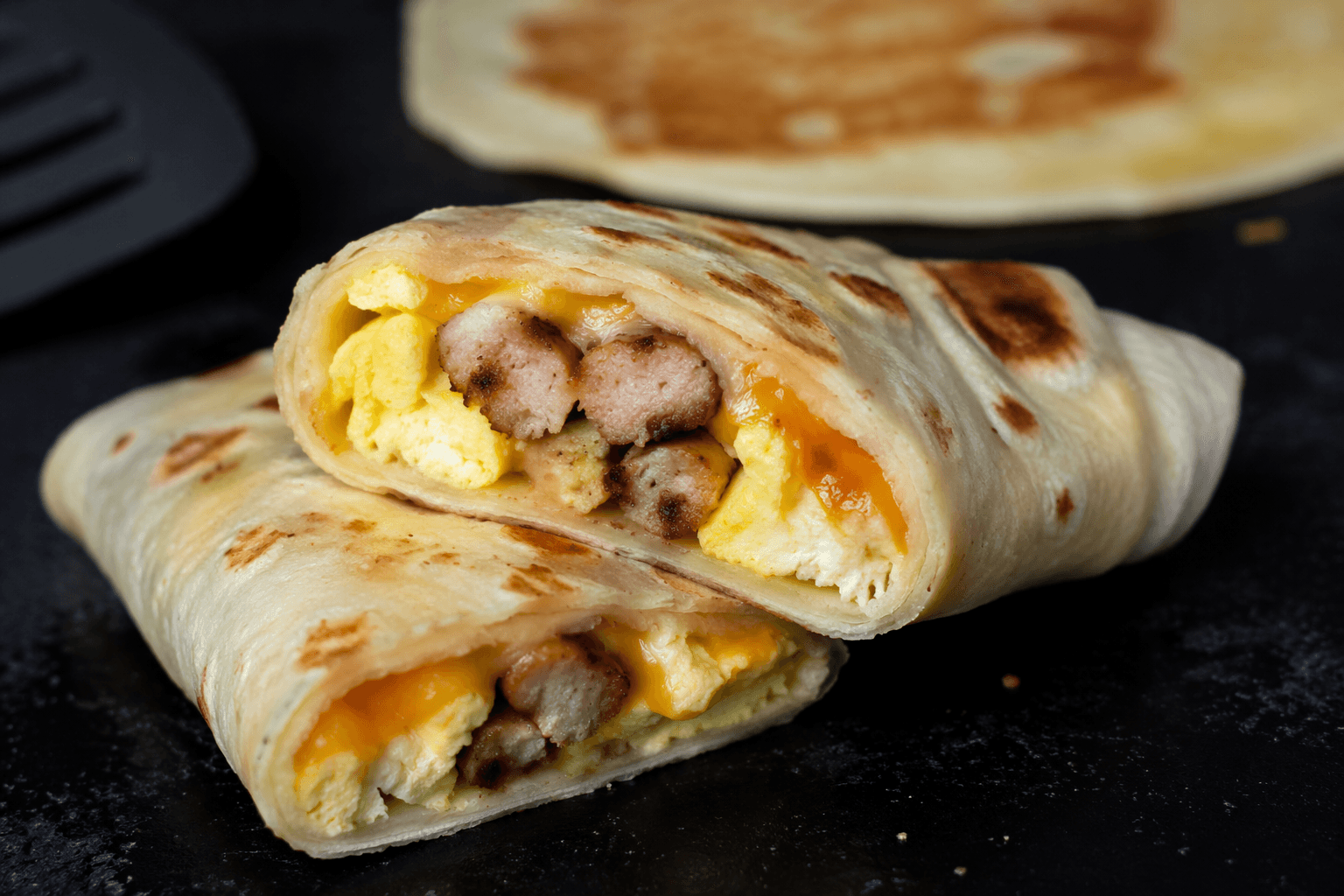
If your starter keeps multiplying and breakfast needs to happen now, this is the kind of recipe that earns a permanent spot in the rotation. The Catchy Meals version from Rossi Anastopoulo, Tatiana Bautista, and Charlotte Rutledge takes sourdough in a direction that actually solves a problem: blend the batter, pour thin pancakes, fill them, roll them up, and serve them like a sweet breakfast wrap.
Why the roll-up format works
The big win here is flexibility. Instead of stacking pancakes and hoping everyone wants the same toppings, you get large, thin rounds that can be customized one by one with jam, fruit, syrup, whipped cream, or a dusting of powdered sugar. That makes the recipe feel less like a novelty and more like a smart family-format breakfast, the kind that works for slow weekend mornings, brunch, birthday breakfasts, and even school mornings when you need something filling without a lot of drama.
It also solves the sourdough problem that comes up every day in real kitchens: what do you do with starter that is active, or thick discard that would otherwise sit in the fridge? This recipe gives you a use for what you already have on hand, which is exactly why it lands better than a standard pancake formula. You are not committing to a loaf schedule, a long proof, or a bread project. You are turning starter into breakfast.
Starter, discard, and what sourdough is actually doing
King Arthur Baking draws a useful line here. Sourdough discard is the excess starter left after feeding, and it does not need to be thrown away just because it is no longer at peak strength. It can be used in recipes that call for unfed or discard starter, and it brings flavor even though it does not do much for leavening.
That is why discard pancakes have such staying power in sourdough kitchens. King Arthur Baking’s classic sourdough pancakes are described as light and buttery with a mild tang, and the same logic applies here, only with a more playful shape. The batter is still sourdough-forward, but the payoff is different: more flexible serving, less plate-and-fork formality, and a texture that is built for rolling.
Sourdough itself is not some new internet trick. Britannica defines it as a leaven made from flour, water, and wild yeasts through fermentation, and fermentation is an ancient process that dates back at least 10,000 years. Bread has been a major food since prehistoric times, with the first bread reaching back to Neolithic times nearly 12,000 years ago. This recipe works because it pulls an old preservation-and-fermentation tradition into a modern breakfast format that fits the way people actually cook now.
What makes the batter different
The blender matters. Instead of whisking forever, you get a smooth batter with less prep time and less fuss, which is exactly what makes this feel doable on a weekday. The goal is a batter that is smooth and pourable, not thick enough to behave like a dense griddle cake.
A few ingredients also push the recipe beyond plain pancakes. Cottage cheese and eggs make the batter rich and high-protein, so the result is substantial enough to carry a morning, not just sweet enough to count as a treat. That fits the way cottage cheese is used now, since Healthline describes it as low in calories but very high in protein and nutrients, and notes that it has become more popular in healthy eating and athlete-oriented breakfasts.
That combination explains why these pancakes work so well as a family breakfast. You get a sourdough use-up recipe, but you also get a breakfast that feels more filling than a typical sweet pancake stack.
Getting the texture right the first time
The recipe is forgiving, which is the point. If the batter looks too thick, loosen it with a splash of milk. If it feels too thin, add a little more starter or a bit more flour until it lands somewhere smooth and pourable.
- Too thick: add milk a little at a time.
- Too loose: add more starter or flour.
- Looking for the right finish: aim for soft pancakes with buttery edges, not heavy, stiff rounds.
- Filling them: keep the inside simple so the pancake can still roll cleanly.
That kind of adjustment is what makes the recipe feel like a keeper rather than a one-off. You are not trying to hit a fragile, bakery-style target. You are aiming for a batter that behaves well enough to pour thin, cook evenly, and wrap around whatever filling your household wants that day.
The best fillings are the easiest ones
The roll-up format invites improvisation without making breakfast messy. Jam gives you sweetness and spreadability, fruit brings freshness, syrup adds the familiar pancake hit, whipped cream makes it feel brunchy, and powdered sugar keeps things simple if you want something fast.
Because each pancake is meant to be rolled, not piled, it works especially well when different people want different breakfasts from the same pan. One person can go heavy on fruit, another can keep it plain and buttery, and someone else can lean into the classic sweet side. That is the real strength of this format: it respects the sourdough habit of using what is already in the jar while making the finished breakfast feel customizable and quick.
When the starter is sitting there and the morning needs to move, blender sourdough pancakes give you a smarter answer than another loaf attempt. You get a soft, rollable breakfast that uses discard or active starter, feeds a crowd without slowing down, and turns an old ferment into the kind of breakfast wrap that actually disappears off the plate.
This article was produced by Prism’s automated news system from verified source data, official records, and press releases, then run through automated quality and moderation checks before publishing. The system is built and supervised by the people who set the standards it runs under. Read our full AI policy.
Did this article answer your question?