Bread machine sourdough recipes make tangy loaves easier for home bakers
A bread machine can make sourdough realistic on a weeknight, if you still watch the dough early and let the loaf cool long enough to set.
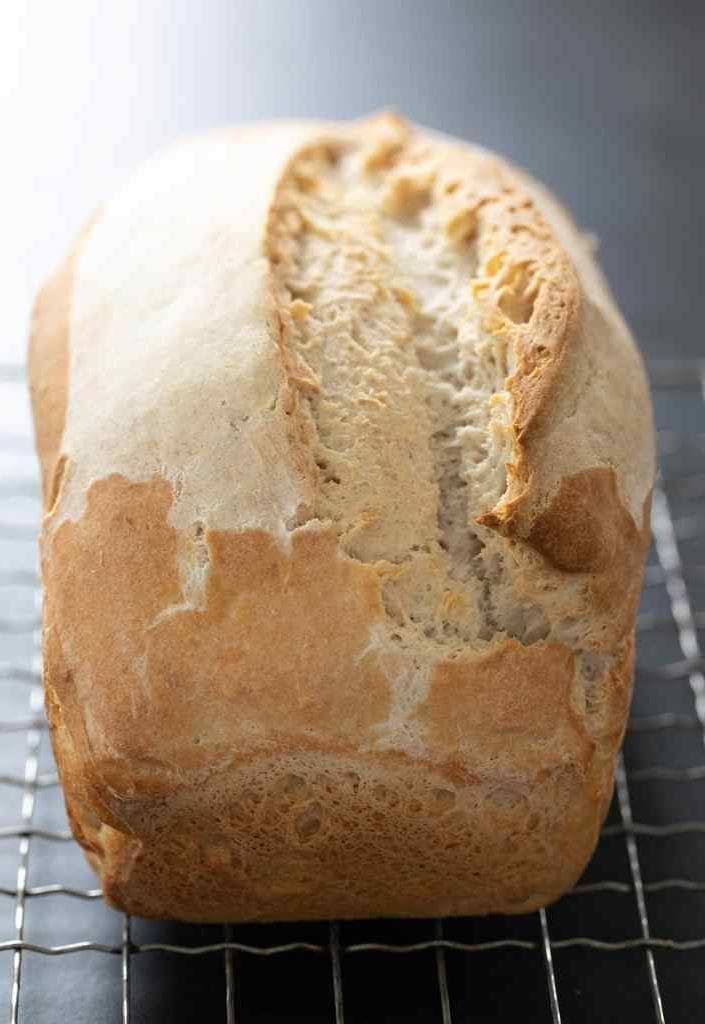
A bread machine does not erase the craft of sourdough, but it does make the bake fit real life. This roundup starts with a classic country loaf and then moves into whole wheat and more flavor-forward variations for bakers who want tangy, crusty bread without committing to a fully manual process. The payoff is convenience, but the real trick is knowing when to let the machine work and when to step in.
Why the bread machine earns its place
For a lot of home bakers, sourdough gets framed as a weekend project, something that asks for time, attention, and a lot of shaping and handling. A bread machine changes that equation by turning sourdough into a more predictable, hands-off workflow. That matters if you are baking for a busy household, learning the basics, or simply trying to get dependable bread on the table with less fuss.
The best machine sourdough recipes do not pretend the loaf makes itself. They treat the machine as a tool for mixing and kneading, then still ask you to pay attention to the dough and the finished loaf. That is the honest version of convenience: you save labor, not judgment.
Start with the classic country loaf
The most useful place to begin is the classic country sourdough recipe, because it shows what a bread machine does well without piling on extra variables. A good country loaf already gives you the chewy crumb and tangy flavor people want from sourdough, so you can focus on the process instead of juggling too many add-ins or grain blends.

From there, the recipe set broadens in a smart way. Whole wheat versions bring a deeper flavor and a different dough feel, while more flavor-forward loaves give you room to move beyond the basic white country loaf once you understand how your machine handles the dough. That progression makes sense. If you try to push straight into complicated formulas before you know how your machine behaves, you end up blaming the recipe when the real issue is timing or hydration.
The first minutes of kneading are where the batch is won or lost
The most practical advice in the whole guide is to check the dough early, right after the machine starts kneading. The target is a soft, slightly tacky ball. That one texture tells you almost everything you need to know about whether the loaf is on track.
If the dough looks too sticky, add flour. If it looks dry and shaggy, add a little water. That small intervention is the difference between a machine loaf that bakes up balanced and one that comes out heavy, tight, or oddly slack. The machine can mix and knead, but it cannot tell you whether your starter, flour, or kitchen conditions have shifted the dough out of range.
Filtered water is another detail that deserves more attention than it usually gets. Chlorine can interfere with natural fermentation, so using filtered water when you can is a small change that helps preserve both flavor and starter behavior. In a bread machine sourdough bake, that kind of detail matters because the whole point is to keep the loaf tasting like sourdough, not just like bread that happened to include a starter.
Which sourdough loaves are actually worth making in a machine
Not every sourdough formula belongs in a bread machine, and that is where a lot of disappointment starts. The recipes that make the most sense are the ones that benefit from a reliable mix and knead cycle and do not depend on elaborate shaping or bench technique. In other words, use the machine where it removes friction, not where it strips away the part of the bake you enjoy most.
- Classic country sourdough is the natural fit, because it lets the machine handle the heavy lifting while still giving you the tangy, crusty result you came for.
- Whole wheat sourdough works well when you want a heartier loaf and are comfortable checking the dough early, since whole grain formulas can behave differently in the bowl and in the pan.
- More flavor-forward loaves are worth the machine when you want to explore beyond the plain country loaf without turning the bake into a full manual project.
That is the useful filter: if the loaf is defined by flavor and dependable structure, the machine can help. If it is defined by delicate shaping or a highly managed fermentation schedule, the machine starts to feel more like a compromise.
Cooling is part of the recipe, not an afterthought
One of the easiest mistakes to make with machine bread is assuming the job is done when the cycle ends. It is not. The loaf should come out promptly after baking and cool fully on a wire rack for at least two hours, because rushing that step can leave the interior gummy.
That cooling window is not a suggestion for perfectionists. It is part of the bake itself. Even when the crust looks done and the loaf feels finished, the crumb is still setting, and cutting too early can wreck the texture you worked for. A bread machine saves time in the kneading stage, but it does not shorten the patience required at the end.
The convenience tradeoff is real, and it is worth it for the right baker
A fully manual sourdough bake gives you maximum control over mixing, shaping, fermentation, and final form. A bread machine gives you something different: less time with your hands in the dough, more predictability, and a much easier path to an everyday loaf. That tradeoff is exactly why these recipes make sense for busy households and newer bakers who want dependable bread without building an entire afternoon around it.
If you already love the ritual of manual sourdough, the machine may feel like a shortcut. If what you want is a reliable way to get tangy bread on the table with far less fuss, it is a very good shortcut. The machine does not replace the craft, but it does compress it into the moments that matter most: the first dough check, the right cycle, and the patience to let the loaf cool before you slice in.
This article was produced by Prism’s automated news system from verified source data, official records, and press releases, then run through automated quality and moderation checks before publishing. The system is built and supervised by the people who set the standards it runs under. Read our full AI policy.
Did this article answer your question?