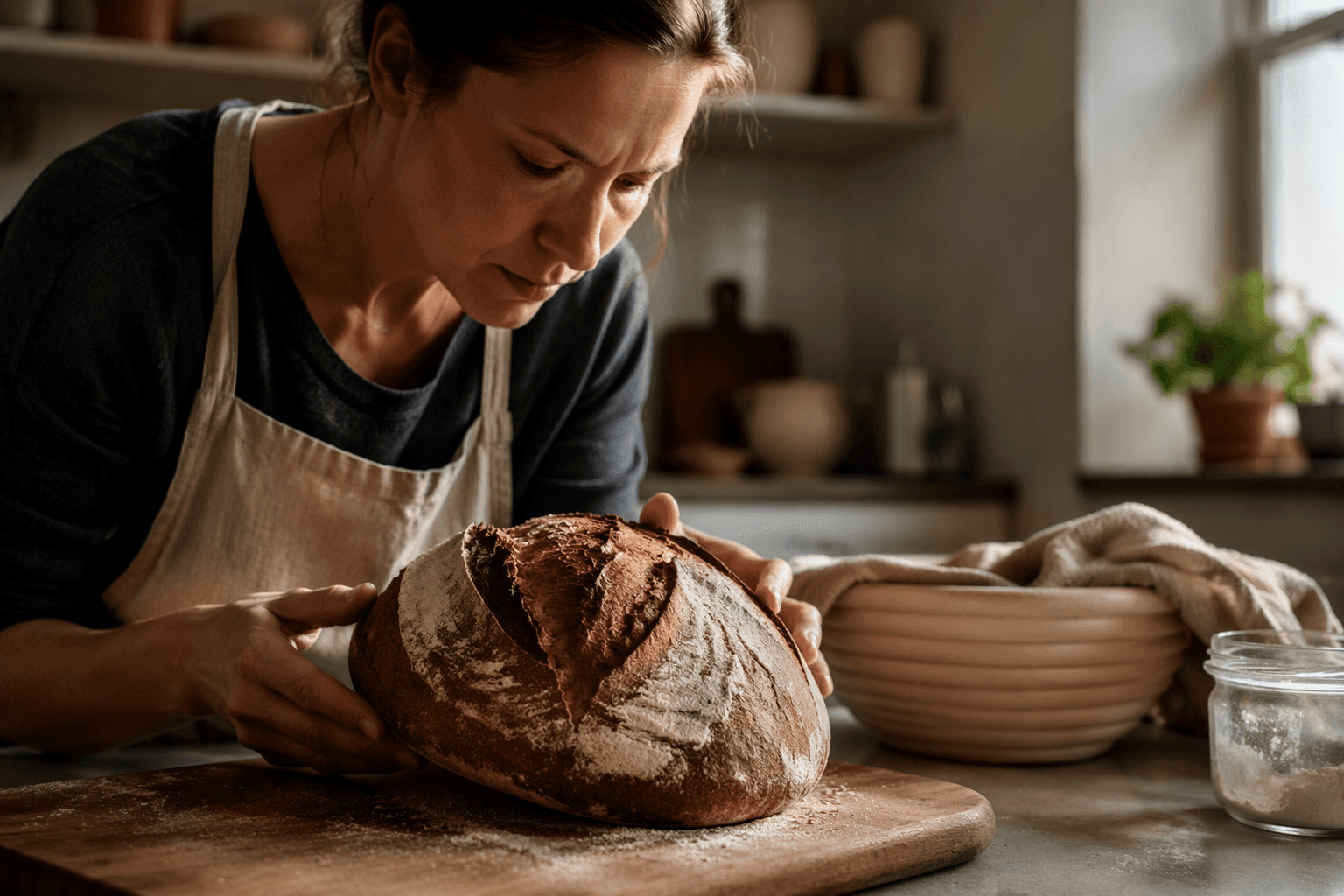
Cobb County sourdough workshop teaches beginners to bake artisan loaves
Cobb County’s sourdough class packs starter care, shaping, and baking into one morning. The $99 workshop shows beginners still want hands-on help, not just online clips.
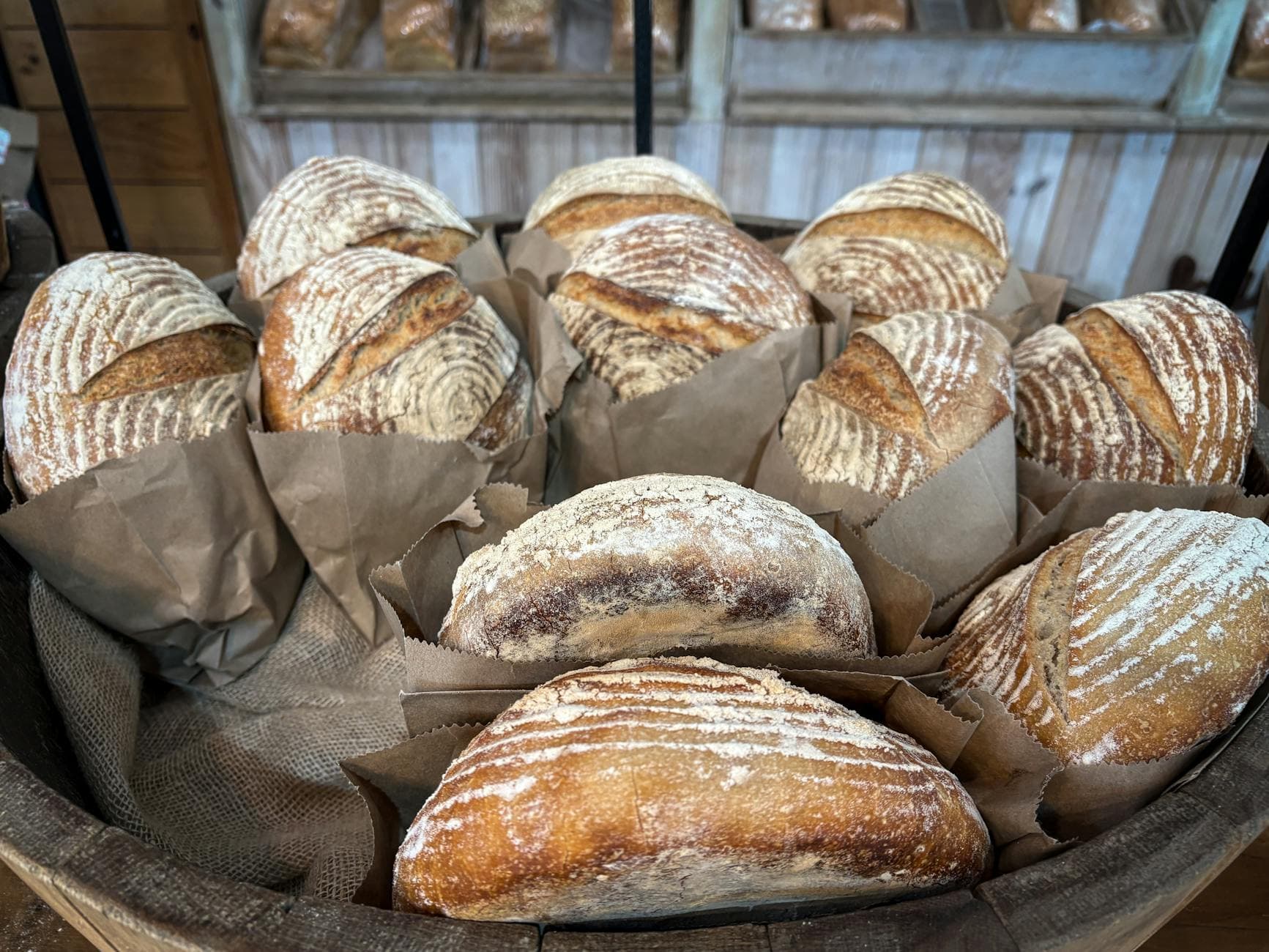
A $99 morning class in Cobb County says a lot about sourdough right now: beginners still want a real person in the room when fermentation, timing, and shaping start to get complicated. Breaking Bread & Company’s beginner workshop is built to take someone from mixing bowl to finished artisan loaf in a single hands-on session, and that is exactly the kind of local instruction many new bakers keep looking for when a starter refuses to behave.
Why this class matters for beginners
The workshop runs Thursday, April 30, 2026, from 9:00 AM to 12:00 PM, with registration due by Wednesday, April 29. It is priced at $99, which places it in the paid-workshop tier but still below at least one comparable sourdough class that lists at $120 per person. That matters because the market is not just selling bread anymore. It is selling confidence, structure, and a shortcut through the early mistakes that make sourdough feel mysterious.
The draw is easy to see. Beginner sourdough is rarely one problem, it is several at once: starter maintenance, knowing when the dough is ready, shaping a loaf that holds its form, and setting up a home bake so the oven actually delivers the crust and rise people are chasing. A class that bundles those pieces into one morning answers the exact pain points that make many first loaves stall out before they ever reach the Dutch oven.
What participants actually learn
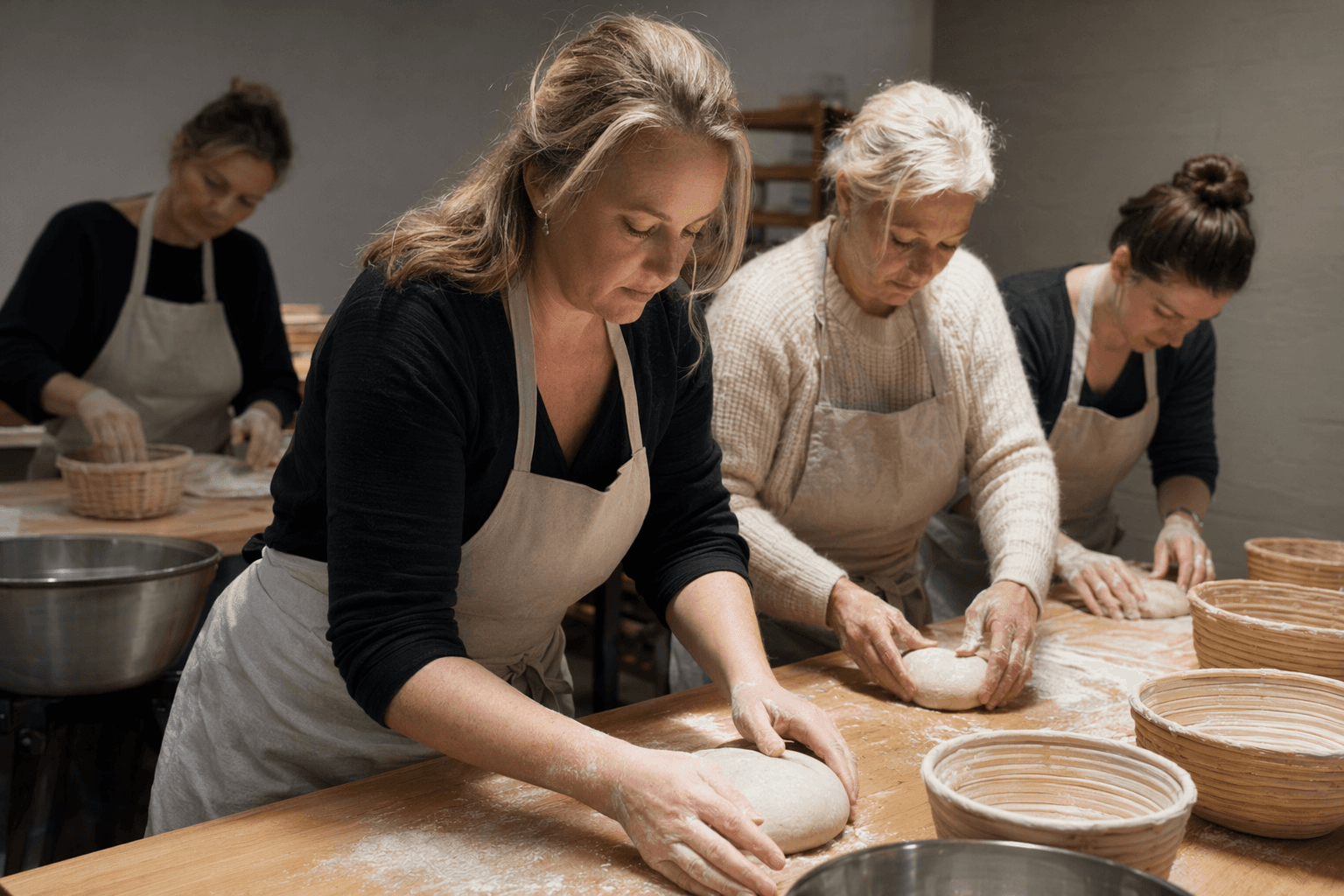
Cobb County’s listing says the session is designed to be fun and hands-on, with attendees learning how to mix, shape, and bake their own sourdough bread. That sequence is the heart of the class, and it mirrors the order that intimidates beginners most. Mixing is where hydration and dough feel start to matter, shaping is where the loaf begins to look like bread instead of sticky hope, and baking is where setup and timing turn the whole project into an artisan loaf.
The county’s earlier beginner sourdough event for adults, posted for November 4, 2025, shows the same teaching logic. That class focused on how to start and maintain a starter, offered helpful baking tips, and included recipe ideas for a first loaf. It also promised that attendees would make their own starter to take home. Put together, the two listings show a clear instructional pattern: local sourdough teaching is not just about a recipe, it is about the full cycle from feeding culture to pulling a loaf out of the oven.
The take-home starter is the real value
The biggest practical detail in the Cobb County workshop is not just the morning lesson. Participants leave with a ready-to-use organic starter and additional tools, which turns the class into something that continues after the doors close. In sourdough, that matters more than in many other baking skills because the starter is the engine of the whole process. If it is healthy, active, and understood, the baker can keep going. If not, the loaf stops before it starts.
That takeaway package also explains why in-person sourdough classes continue to have traction. A tutorial can show a rise in a bowl, but it cannot hand over a starter, correct a dough feel in real time, or reset a baker’s timing when fermentation drifts. The class gives beginners a living culture, the tools to use it, and enough guided practice to make the next bake less of a guess.
Why Breaking Bread & Company fits the model
Breaking Bread & Company brings the kind of identity that makes a class like this feel natural instead of tacked on. The bakery describes itself as a woman-owned bakery in Paulding County, Georgia, focused on organic ingredients, good bread, good times, and community. That is not a generic branding line. It explains why a beginner workshop belongs in its orbit: the business is already built around sourdough, ingredient quality, and a community-minded approach to bread.
The workshop also gives local context to a larger sourdough habit that keeps repeating across suburban markets. People are not only buying loaves, they are paying for instruction. They want to demystify fermentation, learn starter care without scouring message boards, and get a bake that feels achievable in a home kitchen. A business rooted in organic ingredients and community is well positioned to teach that in a way a screen cannot.
What to bring, and what to expect when you show up
Cobb County’s listing includes one practical instruction that says a lot about the tone of the class: bring your apron. That small detail signals a real kitchen session, not a lecture. It also suggests the class is designed for flour-on-the-counter learning, where participants are expected to work with the dough themselves rather than simply watch a demonstration.
- arrive ready to mix, shape, and bake
- bring an apron for a hands-on kitchen session
- leave with a ready-to-use organic starter
- take home additional tools to keep baking
The structure is straightforward enough to be useful for first-timers:
That combination is especially helpful for people trying to build a home routine. Starter care gets easier when the baker already understands feeding rhythm and knows what a healthy starter looks like. Shaping becomes less daunting when it has been done once with guidance. Baking setup feels less technical when the class has already walked through what it takes to get a sturdy, well-browned loaf.
What the wider market says about sourdough demand
The Cobb County workshop does not exist in isolation. Comparable sourdough classes often include starter care, shaping, baking, and a full take-home kit, which suggests this is a recognizable format in the broader baking world. The Cultured Bake, for example, lists a Sourdough Workshop at $120 per person and says it breaks down the process from starter care to baking, with a full starter kit at the end. That pricing makes the Cobb County class look competitive, especially for beginners who want a guided first pass without a premium buy-in.
The recurring county listings also point to sustained demand, not a one-off novelty. When a beginner class appears in November 2025 and another one returns in April 2026, it suggests the audience is still there and still asking for help. That is the clearest sign of all: sourdough has moved beyond a trend people try once and forgotten. In Cobb County, it is now a local skill class worth repeating, which is exactly what a healthy hobby economy looks like when beginners keep showing up for the next loaf.
This article was produced by Prism’s automated news system from verified source data, official records, and press releases, then run through automated quality and moderation checks before publishing. The system is built and supervised by the people who set the standards it runs under. Read our full AI policy.
Did this article answer your question?