The Times celebrates San Francisco sourdough as living history
San Francisco sourdough is more than a bakery myth. Its real value is continuity, but the actual loaf still depends on the care, feeding, and handling of the starter.

Living history on the rise
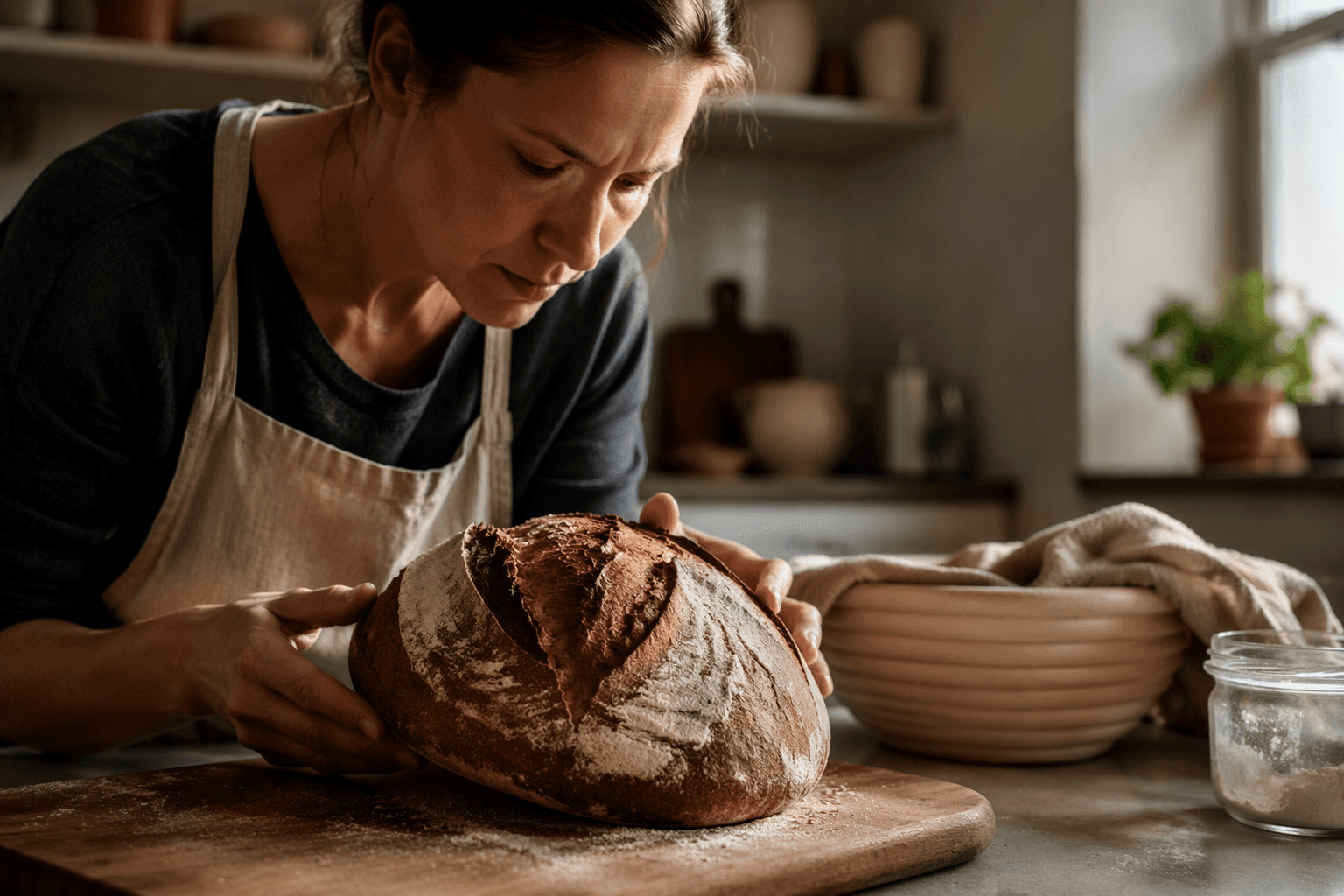
A jar of starter in Saint-Vith, Belgium now sits at the center of a bread story that began on the gold trails of North America and still pulls bakers in. The Times’ celebration of San Francisco sourdough lands because this is one of the rare food traditions that feels both mythic and practical at the same time.
Why old starter stories never stop working
Part of the appeal is simple: sourdough is bread you can trace back to migration, hardship, and survival. During the California Gold Rush of 1848 to 1849, commercial yeast was not widely available, so starter-based bread was the portable, keep-it-alive solution for prospectors on the move. The National Park Service says sourdough became the food most associated with Gold Rush stampeders, and Smithsonian has noted that miners even kept starters warm by cuddling them.
That image does a lot of work for modern bakers. It turns a loaf into a living object, something handed forward rather than merely mixed. In a bread culture often obsessed with hydration percentages and schedules, the oldest starters offer something else: a line of human custody.
San Francisco’s most famous loaf and the Boudin claim
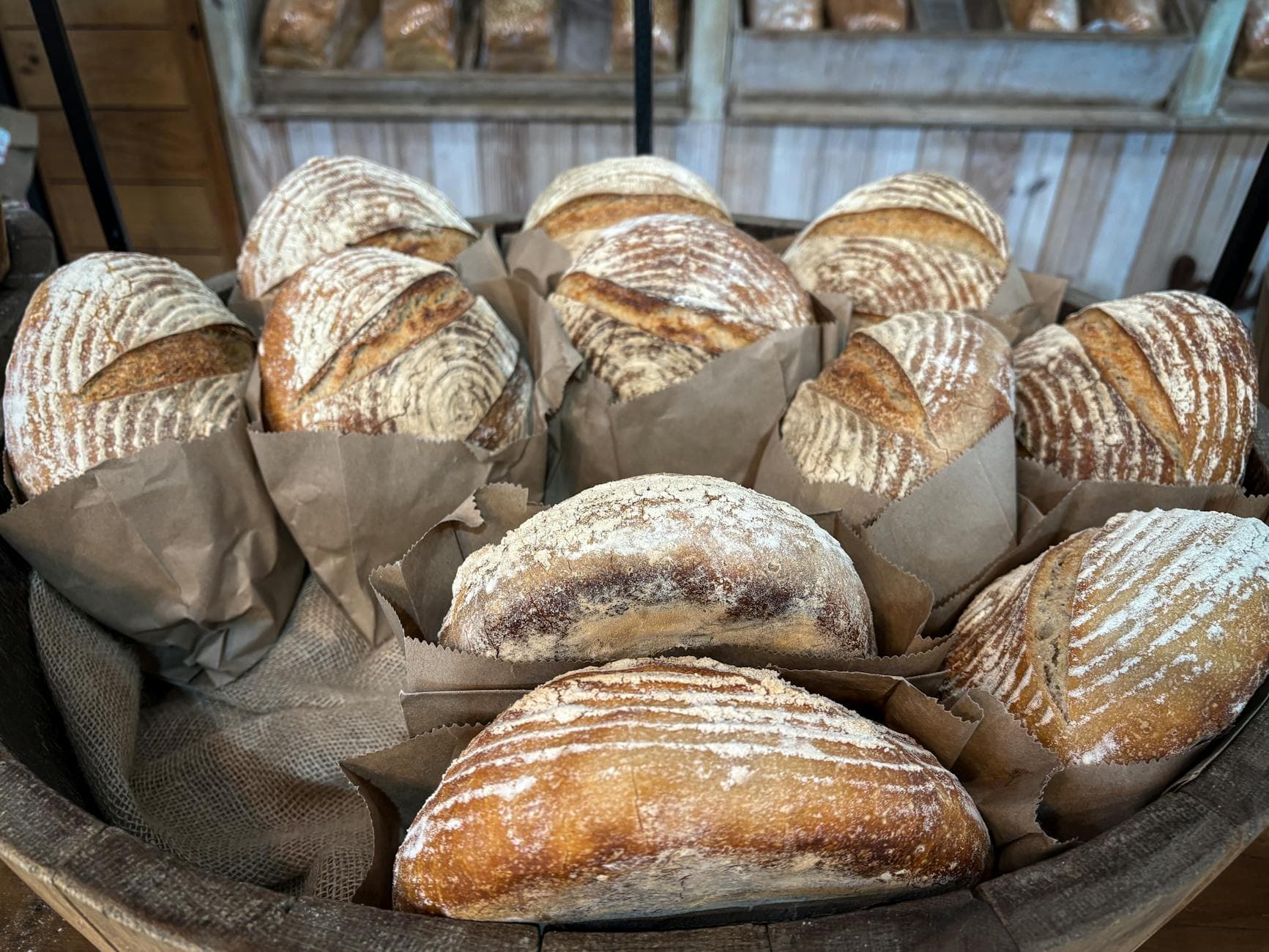
The strongest anchor for the San Francisco myth is Boudin Bakery. The bakery says it was established in 1849, and it frames its Original San Francisco Sourdough as being made with flour, water, salt, and mother dough. Boudin also says it is San Francisco’s oldest continuously operating business, which helps explain why the name keeps returning whenever the city’s bread history is discussed.
Smithsonian has said the official beginning of San Francisco sourdough is commonly linked to Boudin’s opening in 1849, the second year of the Gold Rush. That makes the brand more than a commercial survivor. It becomes the place where a regional bread identity hardened into something legible enough to be remembered, repeated, and exported.
What a 19th-century lineage actually changes
Here is the romance-reality split that matters most for bakers. A starter’s age does not magically guarantee a better loaf every time. Flavor, strength, and reliability still depend on how the culture is maintained, how often it is refreshed, and how it behaves in the hands of the baker.
What a heritage lineage does change is provenance. If a starter can be traced to 1849, 1847, or 1898, you are not just baking bread. You are baking with a documented continuity of care, and that continuity can shape how people taste the loaf before the first crumb is even cut. The story becomes part of the flavor memory, even when the microbes themselves are being managed in very modern ways.
The Atlantic crossing of sourdough history
The story does not stop in California. The presence of the Puratos Sourdough Library in Saint-Vith, Belgium shows how far this bread memory has traveled. Puratos describes it as the world’s only sourdough library, and it opened in 2013 with a very specific mission: to collect, preserve, and study sourdough cultures from around the world.
That alone tells you how sourdough has moved from frontier necessity to global heritage. More than 100 bakers have contributed samples to the library, which means the archive is not just a museum shelf. It is an active network of bakers deciding that their starters are worth preserving as cultural material, not just as kitchen utility.
How heritage starters are kept alive
The preservation method is part science, part stewardship. Puratos says the library stores starter samples at 4°C and refreshes them at regular intervals. That is the opposite of the old trail image of a starter carried in a pail and warmed against the body, yet the goal is the same: keep the culture viable.
This is the key lesson for home bakers tempted to romanticize age. A starter survives because someone feeds it, watches it, and adjusts to its needs. The age of the lineage matters, but the current condition of the culture matters more. A 150-year-old story cannot rescue a neglected jar on the counter.
The outliers that prove this is a wider heritage story
The broad appeal of ancient starters comes into sharper focus when you look beyond San Francisco. A Yukon starter associated with the 1898 Klondike Gold Rush was sent as sample 106 to the Puratos Sourdough Library. Another heirloom starter in the Oregon Trail tradition is said to date to at least 1847.
Those details matter because they break the idea that one bakery owns the past. Instead, the past looks networked. Gold-rush migration, western settlement, and trail survival all left behind cultures that people still feel worth protecting. The bread story becomes bigger than one city and more durable than one brand.
What the story means for flavor, care, and reliability
For bakers, the practical question is the one that cuts through the nostalgia: does a 19th-century lineage change the loaf? Sometimes, but not in the mystical way marketing likes to suggest. The real advantages are usually steadier ones, rooted in tradition and handling: a known culture, a known maintenance pattern, and a stronger sense of identity behind the bake.
Flavor can certainly carry the weight of history, but it is still built in the bowl, the jar, and the oven. Care is the constant. Reliability comes from discipline, not age alone. The oldest starters are compelling because they show how a fragile microorganism became a durable cultural artifact, and that may be the most modern thing about them.
What keeps San Francisco sourdough in the conversation is not just its legend from 1849. It is the fact that the legend still has to be fed.
This article was produced by Prism’s automated news system from verified source data, official records, and press releases, then run through automated quality and moderation checks before publishing. The system is built and supervised by the people who set the standards it runs under. Read our full AI policy.
Did this article answer your question?